
Creating a home that truly feels like a sanctuary requires more than simply choosing attractive furniture or following the latest trends. British interior designers consistently emphasise that relaxing homes share fundamental characteristics that go beyond aesthetics, focusing instead on how spaces make us feel. From carefully selected colour palettes to the strategic use of natural light, these design principles work together to foster environments where stress dissipates and tranquillity prevails. Understanding what makes a home genuinely relaxing can transform everyday living spaces into havens of calm, offering respite from the demands of modern life.
Creating a Soothing Atmosphere Through Colour
The Power of Neutral Tones
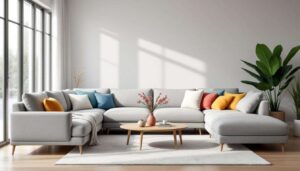
The foundation of any relaxing interior begins with colour selection, and British designers overwhelmingly favour neutral palettes for their calming properties. Shades of white, beige, and grey create a sense of spaciousness and clarity that allows the mind to settle. These colours serve as a blank canvas, reducing visual stimulation and promoting mental ease. Unlike bold or vibrant hues that demand attention, neutrals recede gently, creating an environment where the eye can rest comfortably.
Building Depth with Subtle Variations
Whilst a neutral palette forms the base, successful relaxing interiors incorporate tonal variations to prevent monotony. Layering different shades of the same colour family adds sophistication without introducing jarring contrasts. Consider these approaches:
- Combining warm and cool greys in adjacent spaces to create gentle transitions
- Using off-whites with subtle undertones of cream or ivory to add warmth
- Introducing muted earth tones like taupe or sand for grounding effects
- Incorporating soft pastels sparingly as accent colours rather than dominant features
This thoughtful approach to colour ensures that spaces feel cohesive and harmonious rather than flat or clinical. The subtle interplay of tones creates visual interest whilst maintaining the overall sense of calm that characterises truly relaxing homes.
Beyond colour choices, the materials and textures within a space play an equally vital role in establishing a restful environment.
The Importance of Natural Materials for a Relaxing Interior
Connecting with Organic Elements
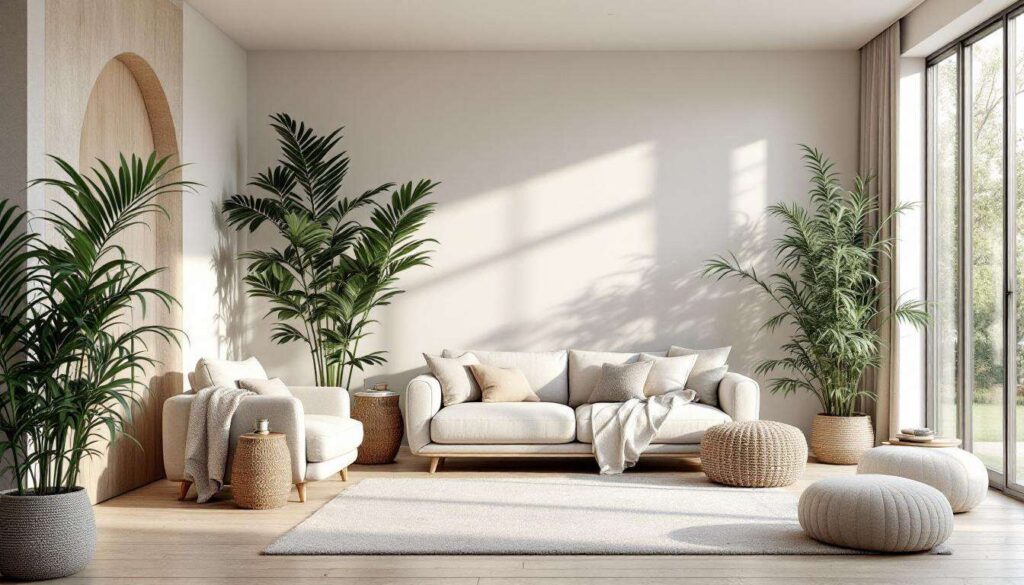
British designers consistently emphasise the importance of natural materials in creating spaces that feel inherently calming. Wood, stone, linen, and cotton bring an authenticity and warmth that synthetic alternatives simply cannot replicate. These materials carry subtle imperfections and variations that make spaces feel lived-in and welcoming rather than sterile. The presence of organic elements establishes a connection with nature, even within urban environments, fulfilling a fundamental human need for natural surroundings.
Layering Textures for Sensory Comfort
The tactile experience of a space significantly influences how relaxing it feels. Varied textures engage the senses in subtle ways that contribute to overall comfort:
- Soft woollen cushions that invite touch and provide visual warmth
- Thick, plush rugs underfoot that create comfort zones
- Sheer linen curtains that filter light whilst adding gentle movement
- Smooth wooden surfaces that feel pleasant to the touch
- Woven baskets and natural fibres that add organic visual interest
| Material | Primary Benefit | Recommended Application |
|---|---|---|
| Oak or walnut wood | Warmth and grounding | Flooring, furniture, architectural details |
| Linen | Breathability and softness | Curtains, bedding, upholstery |
| Wool | Texture and insulation | Cushions, throws, rugs |
| Stone or marble | Cool elegance | Countertops, accent features |
These natural materials work together to create an enveloping sensory experience that promotes relaxation through multiple channels simultaneously. The visual appeal combines with tactile pleasure to create spaces that feel instinctively comfortable.
The way these materials are arranged and displayed reflects a broader design philosophy that values simplicity and intentionality.
Laid-Back Minimalism: a Growing Trend
Embracing Thoughtful Simplicity
The concept of laid-back minimalism represents a departure from stark, austere interpretations of minimal design. British designers favour an approach that prioritises functionality and flow without sacrificing warmth or personality. This philosophy centres on keeping only items that serve a purpose or bring genuine joy, creating spaces that feel uncluttered yet inviting. The emphasis lies not on deprivation but on intentionality, where every object has earned its place through utility or emotional significance.
Strategic Storage Solutions
Achieving a minimalist aesthetic requires well-thought-out storage that keeps everyday items accessible yet invisible. Clutter creates visual noise that prevents relaxation, making effective storage essential:
- Built-in wardrobes and cupboards that blend seamlessly with walls
- Multifunctional furniture pieces like ottomans with hidden compartments
- Open shelving styled with carefully curated displays rather than random accumulation
- Under-stair storage that maximises often-wasted space
- Drawer organisers that maintain order within closed spaces
Breathing Room in Furniture Arrangement
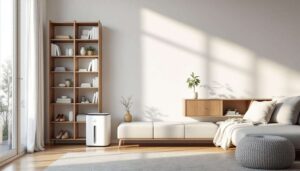
The physical layout of furniture significantly impacts how relaxing a space feels. Breathable furniture flow allows for easy movement and creates visual calm. Rooms should never feel cramped or maze-like. Instead, clear pathways and generous spacing between pieces invite ease and comfort. This approach prevents the anxiety that cluttered or awkward layouts can unconsciously trigger, allowing occupants to move through spaces without constant navigation decisions.
Whilst minimalism addresses what we include in our spaces, the quality of light determines how we experience those spaces throughout the day.
Optimising Natural Light for a Serene Space
Maximising Daylight Penetration
British designers recognise that natural light remains the most powerful tool for creating relaxing interiors. Daylight regulates circadian rhythms, improves mood, and makes spaces feel more expansive. Maximising natural light involves both architectural considerations and decorative choices. Large windows, glass doors, and skylights should be prioritised where possible, but even modest openings can be optimised through strategic design decisions.
Window Treatments That Enhance Rather Than Block
The way windows are dressed dramatically affects light quality within a space. Sheer curtains and lightweight fabrics filter harsh rays whilst maintaining brightness, creating a soft, diffused glow that feels inherently calming. Consider these approaches:
- Layering sheers with heavier drapes for flexibility throughout the day
- Installing blinds that can be adjusted to control light direction
- Choosing white or cream window treatments to reflect rather than absorb light
- Keeping window sills clear to prevent blocking light at its entry point
Complementary Artificial Lighting
Whilst natural light takes precedence, ambient lighting becomes essential as daylight fades. The quality of artificial light profoundly affects evening relaxation. Harsh overhead lighting creates tension, whilst soft, layered lighting promotes calm:
| Lighting Type | Purpose | Recommended Placement |
|---|---|---|
| Dimmable lamps | Adjustable ambiance | Living rooms, bedrooms |
| Table lamps | Task and mood lighting | Side tables, desks |
| Floor lamps | Indirect illumination | Reading corners, dark corners |
| LED strips | Subtle accent lighting | Under cabinets, architectural features |
Creating multiple light sources at different heights and intensities allows for customisation according to activity and mood, supporting relaxation through adaptable environments.
The interplay of light and material creates atmosphere, but truly personal spaces require elements that reflect individual stories and preferences.
The Art of Mixing Styles for a Harmonious Home
Balancing Consistency with Character
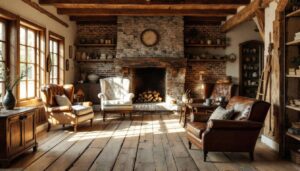
Relaxing homes avoid rigid adherence to single design styles, instead embracing thoughtful eclecticism. British designers advocate for mixing elements from different periods and aesthetics, provided they share complementary qualities. This approach prevents spaces from feeling like showrooms whilst maintaining visual harmony. The key lies in identifying common threads—whether colour, scale, or material—that unite disparate pieces into a cohesive whole.
Incorporating Personal Touches
Objects with sentimental value transform houses into homes by anchoring spaces in personal history. These items create emotional resonance that generic décor cannot replicate:
- Family photographs displayed in consistent frames for visual unity
- Inherited furniture pieces that tell generational stories
- Travel souvenirs that evoke positive memories without creating clutter
- Artwork created by family members or meaningful artists
- Books and collections that reflect genuine interests rather than decorative filler
These personal elements should be curated rather than accumulated, ensuring that each piece contributes to rather than detracts from the overall sense of calm. The goal involves creating spaces that feel authentically inhabited whilst maintaining the visual serenity essential for relaxation.
This personalised approach to design finds perhaps its fullest expression in spaces specifically dedicated to rest and rejuvenation.
Create Hotel-Inspired Relaxation Spaces
Learning from Hospitality Design
The best hotels excel at creating instantly relaxing environments, and British designers increasingly apply these principles to residential spaces. Hotel rooms succeed because they eliminate decision fatigue through simplicity whilst providing everything needed for comfort. This philosophy translates beautifully to home design, particularly in bedrooms and bathrooms where relaxation takes priority.
Essential Elements of Hotel-Style Serenity
Certain features consistently appear in relaxing hotel environments and can be adapted for home use:
- High-quality bedding with crisp white linens that feel luxurious
- Blackout curtains or blinds that ensure restful sleep
- Bedside lighting that can be controlled without leaving bed
- Minimal visible technology or screens in sleeping areas
- Fresh flowers or plants that add life without requiring excessive maintenance
- Spa-like bathrooms with fluffy towels and calming scents
Creating Dedicated Relaxation Zones
Beyond bedrooms, designated relaxation spaces throughout the home support wellbeing. These might include reading nooks with comfortable seating and good lighting, window seats overlooking gardens or natural vistas, or quiet corners furnished simply with a chair and small table. The key involves creating spaces that signal to the mind that it is time to slow down and unwind, separate from areas associated with work or household tasks.
Establishing a home that truly supports relaxation requires attention to multiple interconnected elements. The careful selection of calming neutral colours creates a foundation of visual peace, whilst natural materials and varied textures engage the senses in comforting ways. Laid-back minimalism ensures spaces remain uncluttered and breathable, allowing both physical and mental ease. Optimising natural light and complementing it with thoughtful artificial lighting maintains this serenity throughout the day. Mixing styles with intention whilst incorporating personal touches creates spaces that feel both harmonious and authentically individual. Finally, borrowing principles from hotel design helps create dedicated zones where relaxation becomes the primary purpose. Together, these elements transform ordinary houses into sanctuaries that support wellbeing and provide genuine respite from daily pressures.