



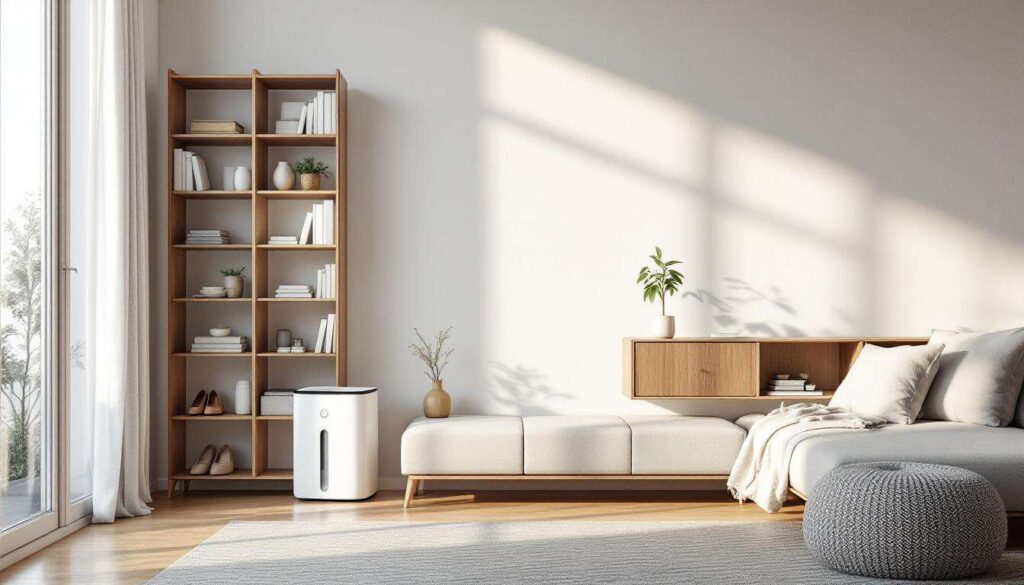
Damp in the home remains one of the most persistent challenges facing UK households, particularly during the colder months. Whilst many homeowners focus on visible signs of moisture damage, the role of clutter in promoting and concealing dampness often goes unnoticed. Excess belongings create hidden pockets where moisture accumulates, compromising air circulation and creating ideal conditions for mould growth. Experts now recognise that certain items act as silent absorbers of moisture, quietly contributing to the very problem homeowners are trying to prevent. Understanding which possessions to remove can make a significant difference in maintaining a dry, healthy living environment.
Understanding how clutter promotes damp
The relationship between airflow and moisture accumulation
Clutter fundamentally disrupts the natural air circulation within a home, creating stagnant zones where moisture becomes trapped. When belongings obstruct windows, radiators, and ventilation points, they prevent warm air from circulating effectively throughout rooms. This stagnation allows condensation to form on cold surfaces, particularly on external walls and in corners where items are piled against the structure. The moisture then becomes absorbed by porous materials, establishing a cycle of dampness that proves difficult to break.
How possessions create hidden moisture traps
Items stored directly against walls or in poorly ventilated cupboards create microenvironments where humidity levels differ significantly from the rest of the room. These concealed spaces often go unnoticed during routine cleaning and inspection, allowing mould to develop undetected. The problem intensifies when multiple items are stacked together, as each layer further restricts airflow and creates additional surfaces for moisture to settle upon. Professional decluttering specialists consistently observe that homes with excessive possessions experience higher humidity levels in specific zones, even when overall ventilation appears adequate.
Recognising these fundamental principles helps explain why simply cleaning visible surfaces proves insufficient in combating damp. The solution requires a more strategic approach to what we keep and where we store it.
Identifying items to declutter
Categories of moisture-attracting possessions
Not all clutter contributes equally to dampness problems. Certain materials possess hygroscopic properties, meaning they naturally absorb moisture from the surrounding air. Identifying these specific categories enables homeowners to prioritise their decluttering efforts effectively. The most problematic items typically include:
- Natural fibres and textiles that absorb atmospheric moisture
- Paper products and cardboard packaging that retain humidity
- Wooden furniture and items that swell with moisture exposure
- Leather goods that can develop mildew in damp conditions
Assessment criteria for retention decisions
When evaluating possessions, experts recommend applying specific criteria to determine whether items warrant keeping. Consider the frequency of use, the availability of alternative storage locations, and whether the item serves a genuine purpose. Objects that have remained untouched for multiple seasons whilst occupying valuable space near external walls or in poorly ventilated areas should be prime candidates for removal. Additionally, duplicates of items that could easily be replaced if needed represent unnecessary moisture risks.
With these assessment principles established, examining specific categories of problematic possessions reveals where the greatest impact can be achieved.
Textiles that trap moisture
The problem with excess fabrics
Textiles represent one of the most significant contributors to household dampness, yet their role often goes unrecognised. Fabric materials act as natural moisture reservoirs, absorbing humidity from the air and releasing it slowly over time. This characteristic makes them particularly problematic in rooms already prone to dampness, such as bedrooms, bathrooms, and laundry areas. Curtains that remain closed against external walls, cushions piled in corners, and clothing stored in wardrobes without adequate spacing all contribute to elevated moisture levels.
Specific textile items to remove or relocate
Professional moisture prevention specialists identify several categories of textiles that warrant immediate attention:
- Unused bedding and linens stored in plastic bags or sealed containers
- Seasonal clothing kept in wardrobes against external walls
- Decorative throws and cushions that restrict airflow on furniture
- Old towels and bathrobes accumulating in bathrooms
- Fabric storage boxes and containers that prevent air circulation
The solution involves either removing these items entirely or relocating them to well-ventilated storage areas away from external walls. Where textiles must be kept, ensuring adequate spacing between items and using breathable storage solutions makes a considerable difference. Regular rotation and airing of stored fabrics also prevents moisture accumulation within the materials themselves.
Beyond textiles, another common household material presents equally concerning moisture retention characteristics.
Reducing paper and cardboard
Why paper products promote dampness
Paper and cardboard possess remarkable absorbent qualities, making them particularly effective at drawing moisture from the surrounding environment. Unlike some materials that resist humidity, cellulose-based products actively attract and retain water molecules, often becoming noticeably heavier and softer in damp conditions. This absorption not only fails to reduce ambient moisture but actually concentrates it in specific locations, creating ideal conditions for mould spores to colonise. The problem compounds when paper items are stored in stacks or boxes, as moisture becomes trapped between layers with limited opportunity for evaporation.
Common paper clutter to eliminate
| Item Category | Typical Location | Moisture Risk Level |
|---|---|---|
| Old magazines and newspapers | Living rooms, bedrooms | High |
| Cardboard packaging and boxes | Lofts, garages, cupboards | Very high |
| Outdated documents and files | Home offices, storage rooms | Moderate to high |
| Children’s artwork and school papers | Various rooms | Moderate |
Addressing paper clutter requires a systematic approach. Begin by digitising important documents where possible, then recycling outdated materials. For items that must be retained, invest in moisture-resistant storage containers and position them away from external walls and floors. Replacing cardboard storage boxes with plastic alternatives significantly reduces moisture absorption whilst maintaining organisational benefits.
Whilst materials clearly contribute to moisture problems, the physical presence of certain objects creates equally problematic conditions.
Eliminating unnecessary furniture
How furniture restricts air circulation
Excess furniture creates substantial barriers to effective air movement, particularly when positioned against external walls or blocking heat sources. Each piece of furniture placed against a wall creates a dead air space where moisture can accumulate without the benefit of warmth or circulation. This problem intensifies with larger items such as wardrobes, bookcases, and sideboards that extend from floor to ceiling, effectively sealing off entire wall sections. The temperature differential between the heated room and the cold wall surface behind furniture creates condensation, which then becomes absorbed by both the wall and the furniture itself.
Strategic furniture reduction approaches
Rather than removing all furniture, focus on pieces that serve minimal purpose whilst occupying high-risk positions. Consider the following priorities:
- Wardrobes and storage units positioned against external walls
- Redundant bookcases that could be replaced with wall-mounted shelving
- Occasional furniture that blocks radiators or ventilation points
- Guest beds and seating rarely used but occupying permanent space
Where furniture removal proves impractical, repositioning items at least 10 centimetres away from walls allows air circulation behind them. This simple adjustment can dramatically reduce condensation formation whilst maintaining the furniture’s functionality. Additionally, replacing solid-backed furniture with open designs permits better airflow throughout the room.
Beyond decluttering specific items, several complementary strategies enhance moisture prevention efforts.
Additional tips for preventing damp
Establishing effective cleaning routines
Regular maintenance plays a crucial role in moisture prevention. Cleaning radiators at least once per season ensures optimal heating efficiency, preventing the energy waste that can increase bills by up to 25%. Remove dust and debris that accumulates on radiator fins, as this buildup restricts heat output and forces the system to work harder. Similarly, maintaining clear spaces around heat sources allows warm air to circulate freely, reducing the cold spots where condensation typically forms.
Ventilation and product selection
Adequate ventilation remains fundamental to moisture control. After cooking or showering, ensure spaces receive sufficient airflow to expel humid air before it condenses on surfaces. Installing or maintaining air extractors in kitchens and bathrooms provides mechanical assistance where natural ventilation proves insufficient. When selecting cleaning products, choose formulations designed for moisture-prone environments that do not leave residues attracting additional humidity. Avoid products that create excessive moisture during application, particularly in rooms already struggling with dampness.
Seasonal preparation strategies
Before winter arrives, conduct a thorough assessment of your home’s insulation and identify areas where moisture historically develops. Address these vulnerabilities proactively rather than reactively. Implement a quarterly deep cleaning schedule that targets often-overlooked spaces where moisture accumulates, such as behind appliances, in cupboard corners, and beneath beds. This systematic approach prevents small moisture problems from developing into significant damp issues requiring costly remediation.
Preventing dampness through strategic decluttering offers homeowners a practical, cost-effective approach to maintaining healthier living environments. By removing textiles that trap moisture, eliminating paper and cardboard accumulations, reducing unnecessary furniture, and implementing comprehensive maintenance routines, households can significantly reduce humidity levels and prevent mould growth. These adjustments not only improve air quality but also enhance heating efficiency, creating more comfortable homes whilst reducing energy expenditure. The key lies in recognising that possessions themselves can contribute to moisture problems and taking decisive action to address these hidden risks before they manifest as visible damage.