



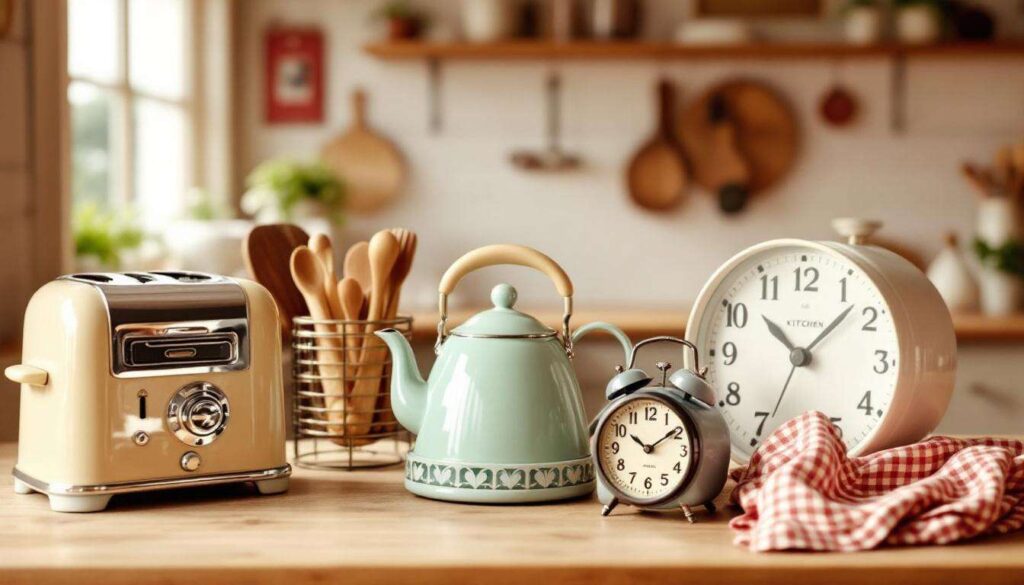
The kitchen has long been the heart of the home, a space where functionality meets personal style. Across Britain and beyond, homeowners are increasingly turning to the past for inspiration, rediscovering the charm and craftsmanship of vintage kitchen items. These pieces offer more than mere nostalgia; they represent a shift towards durability, authenticity, and character in our culinary spaces. As contemporary design embraces warmer, more inviting aesthetics, several classic items are experiencing a remarkable resurgence, proving that sometimes the old ways truly are the best.
The Return of Cast Iron Pots
Unmatched Durability and Heat Retention
Cast iron cookware has emerged as a cornerstone of the vintage revival sweeping through modern kitchens. These robust vessels offer exceptional heat retention and distribution, making them ideal for everything from slow-cooked stews to perfectly seared steaks. Unlike their non-stick counterparts, cast iron pots improve with age, developing a natural seasoning that enhances both performance and flavour. The longevity of these pieces stands in stark contrast to disposable cookware, with many cast iron pots being passed down through generations.
Aesthetic Appeal in Contemporary Spaces
Beyond their practical benefits, cast iron pots bring an undeniable visual warmth to kitchen environments. Their substantial presence and often colourful enamel finishes complement the earthy colour palettes gaining popularity in 2026. Whether displayed on open shelving or sitting proudly atop a vintage-inspired cooker, these pieces serve as both functional tools and decorative statements. The textured surface and weighty construction evoke a sense of authenticity that resonates with those seeking to create spaces with genuine character.
Sustainable Cooking Choices
The environmental credentials of cast iron cookware align perfectly with growing concerns about sustainability. Consider these advantages:
- Elimination of chemical coatings found in modern non-stick pans
- Reduction of waste through multi-generational use
- Energy efficiency due to superior heat retention
- Versatility across all cooking methods, including oven and open flame
This renewed appreciation for cast iron reflects a broader movement towards mindful consumption and quality over quantity. As kitchens evolve to embrace vintage elements, the humble cast iron pot demonstrates how traditional items can seamlessly integrate into contemporary living whilst enhancing both form and function.
The Craze for Vintage Food Mills
Manual Processing with Superior Results
Food mills have re-emerged as essential tools for home cooks who value texture and control in their culinary creations. These hand-cranked devices excel at tasks such as creating silky smooth purées, removing seeds from tomatoes, and producing perfectly textured mashed potatoes. Unlike electric food processors that can over-process ingredients, food mills offer precision and tactile feedback, allowing cooks to achieve exactly the consistency desired. The mechanical simplicity means fewer components to clean and virtually no risk of malfunction.
Connecting with Traditional Cooking Methods
The resurgence of food mills speaks to a desire for more hands-on cooking experiences. In an era dominated by automation, these vintage tools reconnect users with the physical process of food preparation. The rhythmic motion of turning the crank and watching ingredients transform creates a meditative quality often absent from modern cooking. This tactile engagement enhances appreciation for ingredients and the time invested in meal preparation.
Space-Efficient and Versatile
| Feature | Food Mill | Electric Processor |
|---|---|---|
| Storage Space | Compact, nestable | Bulky, requires counter space |
| Cleaning | Simple, few parts | Multiple components |
| Noise Level | Silent operation | Loud motor |
| Control | Precise, adjustable | Limited settings |
These practical advantages make food mills particularly appealing for smaller kitchens where storage is at a premium. Their reliability and straightforward operation ensure they remain relevant long after electronic gadgets have become obsolete. The growing interest in these manual tools naturally extends to other vintage items that prioritise simplicity and enduring design.
Retro Kitchen Scales Winning Hearts Again
Mechanical Precision Meets Visual Charm
Vintage-style kitchen scales combine accurate measurement with striking aesthetics that digital alternatives cannot match. These mechanical marvels feature large, easy-to-read dials and substantial metal construction that conveys quality and permanence. Available in various finishes from gleaming chrome to powder-coated pastels, retro scales serve as functional sculptures on kitchen worktops. The satisfying weight and smooth operation of the weighing mechanism provide a sensory experience entirely absent from modern digital devices.
No Batteries, No Problems
The reliability of mechanical scales offers distinct advantages in daily use. Without dependence on batteries or electrical connections, these instruments remain perpetually ready for service. The absence of electronic components means they can withstand splashes, humidity, and the general wear of busy kitchen environments without risk of malfunction. This unfailing dependability appeals to cooks who value tools that simply work, year after year, without maintenance or replacement.
Encouraging Mindful Baking
The analogue nature of vintage scales promotes a more considered approach to measuring ingredients:
- Visual feedback encourages gradual addition and adjustment
- Slower process allows time for reflection on recipe requirements
- Tactile interaction enhances connection with ingredients
- Absence of digital precision paradoxically improves intuitive cooking skills
This deliberate pace aligns with broader trends towards mindfulness and intentionality in home cooking. As these scales reclaim their place on kitchen counters, they complement other vintage elements that celebrate both utility and display.
Reappearance of Plate Racks
Practical Storage Meets Decorative Display
Plate racks have transcended their purely functional origins to become focal points in kitchen design. These wall-mounted or freestanding units showcase dishware whilst keeping it accessible for daily use. The open design allows plates to air-dry naturally after washing, reducing the need for tea towels and preventing musty odours. By displaying crockery, plate racks transform everyday items into decorative elements, adding visual interest and personality to kitchen walls.
Material Choices and Aesthetic Impact
The revival of plate racks has introduced diverse material options that suit various design preferences. Wooden racks in natural finishes bring rustic warmth to country-style kitchens, whilst metal versions in copper or brass introduce vintage glamour. The mixed metal approach particularly resonates with current design trends, creating layered visual interest that feels both collected and curated. These pieces often become conversation starters, revealing the homeowner’s taste through the dishware chosen for display.
Maximising Space in Modern Homes
As living spaces become more compact, plate racks offer intelligent storage solutions:
- Vertical storage utilises often-wasted wall space
- Easy access eliminates rummaging through cupboards
- Visual inventory prevents duplicate purchases
- Freed cupboard space accommodates other kitchen essentials
This combination of practicality and aesthetic appeal explains why plate racks have moved from cottage kitchens to contemporary urban homes. Their presence naturally complements other vintage elements that blur the line between tool and decoration.
Glass Mortars and Pestles Making Waves
Superior Grinding with Visual Clarity
Glass mortars and pestles represent the intersection of traditional technique and modern material science. Unlike porous stone alternatives, glass provides a non-reactive surface that preserves the pure flavours of spices and herbs. The transparency allows cooks to monitor the grinding process precisely, ensuring consistent results whether crushing peppercorns or creating aromatic curry pastes. The smooth surface prevents absorption of oils and pigments, making these tools suitable for a wider range of ingredients without flavour transfer.
Elegant Functionality
The aesthetic qualities of glass mortars elevate them beyond mere utility. Their crystalline clarity and substantial weight convey quality whilst complementing various kitchen styles from minimalist to eclectic. When not in use, these pieces serve as attractive vessels for displaying whole spices, dried herbs, or decorative elements. The visual appeal encourages prominent placement on worktops or open shelving, keeping them readily accessible whilst contributing to the kitchen’s overall design narrative.
Health and Maintenance Benefits
| Aspect | Glass | Traditional Stone |
|---|---|---|
| Cleaning | Dishwasher safe, stain-resistant | Hand wash only, prone to staining |
| Hygiene | Non-porous, bacteria resistant | Porous, requires careful sanitising |
| Durability | Chip-resistant tempered glass | Can crack or chip with impact |
| Weight | Substantial but manageable | Very heavy, cumbersome |
These practical advantages make glass mortars particularly suitable for frequent use in contemporary kitchens where hygiene and ease of maintenance are priorities. Their revival demonstrates how vintage concepts can be reimagined with modern materials to create items that honour tradition whilst meeting current needs.
The resurgence of these five vintage kitchen items reflects a fundamental shift in how we approach domestic spaces. Moving away from purely functional, disposable goods, homeowners are embracing pieces that offer durability, character, and connection to culinary traditions. Whether through the substantial presence of cast iron, the hands-on engagement of manual tools, or the decorative utility of plate racks, these vintage items transform kitchens into spaces that balance efficiency with warmth. As design trends continue favouring authenticity and personal expression, the marriage of old and new creates environments that feel both timeless and thoroughly contemporary, proving that the best innovations sometimes involve looking backwards to move forwards.