
Interior design evolves constantly, and flooring choices that seemed fresh and exciting just a few years ago now appear tired and overdone. Designers across the industry are urging homeowners to reconsider certain styles that have saturated the market, advocating instead for timeless materials and understated elegance. The shift reflects a broader movement towards authenticity, warmth, and longevity in home design. Understanding which trends are fading allows homeowners to make informed decisions that will stand the test of time rather than require costly replacements in just a few years.
Outdated flooring trends to avoid in 2025
The rise and fall of trendy flooring
Flooring trends follow a cyclical pattern influenced heavily by social media, celebrity homes, and design shows. What appears innovative one season can quickly become ubiquitous, then dated. Several flooring styles that dominated recent years are now considered passé by industry professionals. The rapid spread of trends through digital platforms means that certain looks become oversaturated faster than ever before, prompting designers to seek fresh alternatives that offer more enduring appeal.
Why certain styles lose their lustre
Flooring trends fade for various reasons:
- Overexposure: when a style appears in every home renovation show and social media post, it loses its uniqueness
- Shifting colour preferences: as interior palettes evolve, certain flooring tones clash with contemporary schemes
- Practical limitations: some trendy options prove difficult to maintain or show wear quickly
- Cultural influences: broader movements in fashion and art impact interior design preferences
Recognising these patterns helps homeowners avoid investing in flooring that will soon require updating. The key lies in distinguishing between genuine classics and temporary fads that merely masquerade as timeless choices.
As we examine specific trends losing favour, it becomes clear that buyers increasingly prioritise authenticity and warmth over bold statements.
Bold carpets are losing their sheen
The problem with statement carpeting
Vibrant, heavily patterned carpets that once served as focal points in living spaces now feel overwhelming and dated. These bold designs, whilst initially eye-catching, tend to dominate rooms and limit decorating flexibility. Designers note that such carpets age poorly in terms of style, making entire spaces feel trapped in a particular era. The busy aesthetic clashes with the current preference for calm, uncluttered interiors that allow furniture and art to take centre stage.
Maintenance and practical concerns
Beyond aesthetics, bold carpets present practical challenges:
- Patterns show stains and wear unevenly, creating patchy appearances
- Strong colours fade at different rates, resulting in inconsistent tones
- Replacing such distinctive carpets requires complete removal rather than partial updates
- They limit future design choices, forcing rooms to coordinate with fixed patterns
The shift away from statement carpeting reflects a broader desire for versatile foundations that adapt to evolving tastes rather than dictating them.
This movement towards restraint extends beyond carpets to wood flooring choices that once dominated the market.
The decline of warm oak flooring
Grey wood floors fall from favour
Standard builder-grade grey wood floors became ubiquitous in recent years, appearing in countless renovations and new builds. However, designers now consider these cool-toned options uninspiring and sterile. The grey wood trend, whilst initially perceived as modern and sophisticated, has become so commonplace that it no longer conveys any sense of style or individuality. Homeowners seeking distinctive spaces are moving away from these mass-market solutions.
The return to warmth
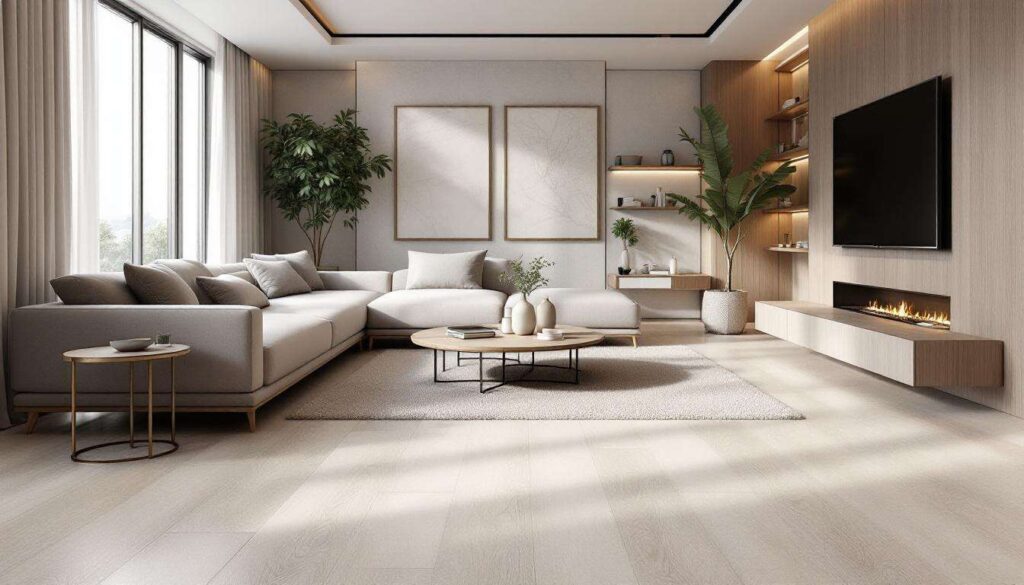
The pendulum swings back towards warmer wood hues that create inviting, comfortable atmospheres. Natural timber tones in honey, amber, and rich brown shades offer several advantages:
| Cool Grey Floors | Warm Wood Tones |
|---|---|
| Creates stark, cold environments | Generates welcoming, cosy spaces |
| Shows dust and imperfections readily | Conceals minor wear gracefully |
| Clashes with natural light variations | Complements changing daylight beautifully |
| Feels institutional and impersonal | Adds character and depth |
This shift represents a rejection of overly processed, uniform appearances in favour of materials that celebrate natural variation and organic beauty.
Pattern-based flooring faces similar scrutiny as designers reassess what constitutes timeless design.
Muted checkerboard: why it’s outdated
Checkerboard tiles lose their appeal
Busy checkerboard tiles and complex patterned vinyl have fallen dramatically out of favour. These designs, once considered playful and distinctive, now appear flamboyant and overwhelming. The geometric precision that initially attracted homeowners has become visually exhausting in daily living. Designers note that such patterns demand constant attention, preventing spaces from feeling restful or serene.
The problem with pattern overload
Checkerboard and heavily patterned flooring creates several design challenges:
- Competes with furniture and décor rather than supporting them
- Makes rooms feel smaller and more chaotic
- Dates spaces to specific design movements
- Limits colour palette options for walls and furnishings
- Causes visual fatigue in high-traffic areas
The move away from these patterns aligns with broader preferences for clean, uncluttered design that provides visual breathing room. Homeowners increasingly recognise that flooring should serve as a neutral foundation rather than a bold statement.
Wood treatments that alter natural appearances face similar rejection as authenticity becomes paramount.
Painted wood: a bygone trend
Why painted floors feel dated
Painted wood flooring, particularly in whites, greys, and pastels, enjoyed popularity as a budget-friendly way to refresh tired boards. However, this treatment now strikes designers as artificial and high-maintenance. The painted surface obscures the natural beauty of timber grain, replacing organic warmth with a flat, manufactured appearance. Additionally, painted floors chip and wear quickly in high-traffic areas, requiring frequent touch-ups that prove more costly than anticipated.
Embracing natural wood character
The rejection of painted wood reflects a broader appreciation for authentic materials that age gracefully. Natural wood develops a patina over time that adds character, whilst painted surfaces simply look worn and shabby. Designers encourage homeowners to:
- Strip painted floors to reveal original timber beneath
- Apply clear finishes that protect whilst showcasing natural grain
- Choose stains that enhance rather than conceal wood characteristics
- Accept minor imperfections as part of genuine material beauty
This philosophy extends to textile flooring elements that once provided rustic charm but now feel contrived.
Rustic runners no longer entice
The decline of rustic aesthetics
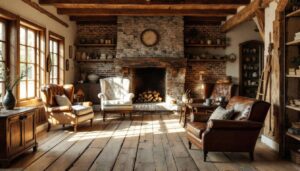
Rustic runners and heavily textured floor coverings that aimed to create farmhouse or cottage ambience now appear forced and clichéd. These pieces, often featuring distressed finishes or deliberately aged appearances, lack the genuine history that makes truly vintage textiles appealing. The manufactured rusticity feels inauthentic in contemporary spaces that increasingly value honest materials and straightforward design.
Moving towards refined simplicity
Designers recommend replacing rustic runners with options that offer sophistication without pretence. Natural fibre rugs in neutral tones provide texture without theatricality, whilst natural stone tiles deliver durability and timeless elegance. These alternatives complement rather than dominate spaces, allowing architectural features and carefully chosen furnishings to define room character.
The final fading trend encompasses an entire aesthetic approach that prioritised rough-hewn appearances over polished refinement.
The raw and ready look bids farewell
Smooth porcelain loses ground
Smooth, glossy porcelain tiles once represented modern sophistication but now feel sterile and impractical. These highly reflective surfaces show every footprint and water spot, requiring constant maintenance. More significantly, their artificial sheen lacks the depth and character of natural materials. Designers note that such tiles create cold, institutional atmospheres rather than welcoming homes.
Natural alternatives gain prominence
The shift favours materials with inherent texture and variation:
| Material | Benefits |
|---|---|
| Natural stone tiles | Unique patterns, excellent durability, timeless appeal |
| Large format tiles | Create spacious feel, fewer grout lines, modern aesthetic |
| Matte finishes | Practical maintenance, sophisticated appearance, better traction |
These options provide lasting style that transcends temporary trends, offering homeowners confidence that their investment will remain attractive for decades rather than appearing dated within a few years.
The flooring landscape continues evolving, but current shifts suggest a lasting preference for authentic materials, warm tones, and understated elegance. Homeowners who choose natural stone, warm wood, and large format tiles position their spaces to remain stylish regardless of fleeting trends. The key lies in selecting foundations that support rather than dominate, allowing personal style to shine through furnishings and accessories that can easily update as tastes change. Avoiding the fading trends outlined here ensures that flooring investments deliver both immediate satisfaction and enduring value.