



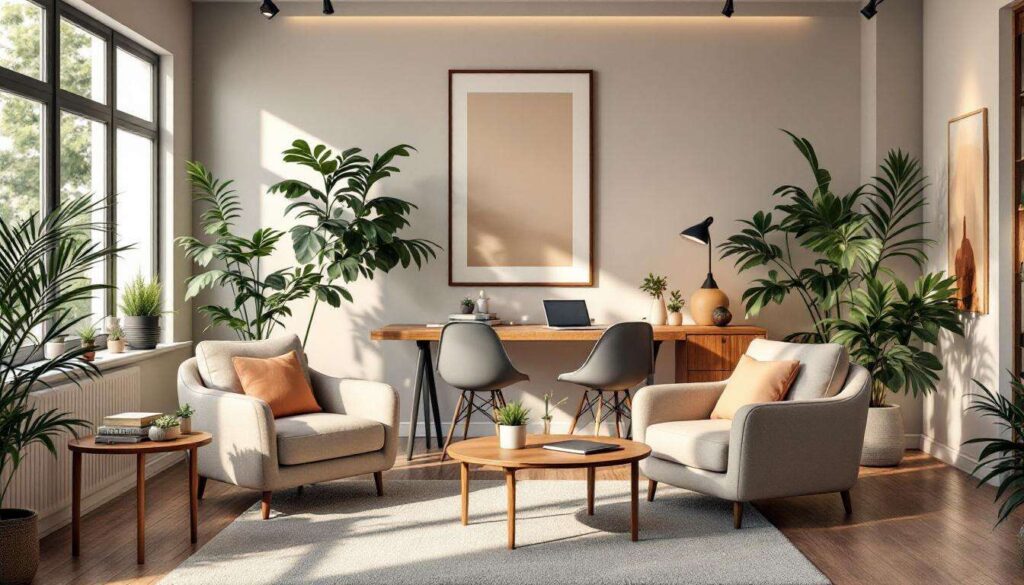
The kitchen has long been the heart of the home, but its character is undergoing a remarkable transformation. Where once gleaming surfaces and clinical efficiency dominated, a new aesthetic is taking hold. Homeowners and designers alike are rejecting the stark, utilitarian approach in favour of spaces that prioritise comfort, warmth, and a distinctly residential feel. This shift reflects broader changes in how we live, work, and gather, with the kitchen evolving from a purely functional workspace into a room that invites lingering, conversation, and genuine relaxation.
Origin and evolution of the soft kitchen
From functional workspace to social hub
The concept of the soft kitchen emerged as a response to decades of increasingly industrial kitchen design. Throughout the late twentieth and early twenty-first centuries, kitchens prioritised efficiency and hygiene, often at the expense of warmth. Stainless steel appliances, glossy cabinetry, and hard-edged surfaces dominated, creating spaces that felt more akin to professional kitchens than family rooms.
As open-plan living became ubiquitous, the kitchen’s visibility increased dramatically. No longer hidden behind closed doors, these spaces demanded aesthetic consideration beyond mere functionality. Designers began questioning whether kitchens needed to announce their purpose so loudly, or whether they could blend more seamlessly with adjacent living areas.
The influence of lifestyle changes
Several cultural shifts accelerated this evolution:
- The rise of remote working, which increased time spent at home and heightened awareness of domestic environments
- Growing interest in wellness and mindfulness, prompting homeowners to seek calming, nurturing spaces
- A broader rejection of minimalism’s starkness in favour of layered, textured interiors
- Increased emphasis on sustainability and natural materials
These factors converged to create demand for kitchens that felt less like showrooms and more like genuine living spaces. The soft kitchen represents not merely a stylistic preference but a fundamental reimagining of domestic priorities.
Understanding these origins helps explain why the soft kitchen resonates so powerfully with contemporary sensibilities, setting the stage for examining what makes these spaces so appealing.
The reasons for the success of soft kitchens
Psychological comfort and wellbeing
The appeal of soft kitchens extends beyond aesthetics into psychological territory. Hard surfaces, bright lighting, and clinical finishes can create environments that feel unwelcoming despite their cleanliness. In contrast, softer materials and warmer tones trigger associations with comfort, safety, and home.
Research into environmental psychology consistently demonstrates that spaces incorporating natural materials, varied textures, and warm colour palettes reduce stress and promote wellbeing. Given that many households spend significant time in kitchens, creating environments that support rather than drain energy has become increasingly important.
Practical advantages
| Design aspect | Hard kitchen | Soft kitchen |
|---|---|---|
| Acoustics | Echo and noise amplification | Sound absorption and quieter atmosphere |
| Maintenance visibility | Shows every fingerprint and splash | More forgiving surfaces |
| Adaptability | Dated quickly with trend changes | Timeless aesthetic with flexibility |
Social and cultural factors
The soft kitchen also reflects changing attitudes towards domestic labour and hospitality. Rather than showcasing culinary prowess through gleaming equipment, homeowners increasingly prioritise creating spaces where guests feel comfortable participating, children can safely explore, and family members naturally gather.
This democratisation of kitchen space aligns with broader cultural movements towards authenticity and accessibility in home design. Having established why soft kitchens appeal so strongly, attention naturally turns to the practical elements that define them.
Key elements to create a soft kitchen
Material selection and textures
The foundation of any soft kitchen lies in thoughtful material choices. Natural stone such as limestone, travertine, or honed marble provides visual warmth whilst maintaining practicality. These materials age gracefully, developing character rather than simply showing wear.
Wood features prominently, whether in cabinetry, flooring, or architectural details. Oak, walnut, and other hardwoods introduce organic patterns and warmth that synthetic materials cannot replicate. Crucially, these surfaces need not be perfectly sealed or polished; slight imperfections contribute to the lived-in quality that defines the aesthetic.
Colour palettes and finishes
Soft kitchens typically embrace:
- Muted, earthy tones rather than stark whites or bold contrasts
- Matt and satin finishes instead of high-gloss surfaces
- Layered neutrals that create depth without visual harshness
- Warm metallic accents in brass, bronze, or aged gold
These choices create environments that feel cohesive with adjacent living spaces rather than announcing a distinct functional zone.
Lighting design
Illumination plays a critical role in softening kitchen spaces. Multiple light sources at varying heights replace harsh overhead fixtures. Pendant lights with fabric shades, under-cabinet lighting with warm colour temperatures, and even candles or decorative lamps contribute to ambient rather than task-focused lighting.
Dimmer switches allow adjustment throughout the day, supporting the kitchen’s transition from workspace to gathering place. With these foundational elements established, the question becomes how to enhance the social dimensions of these spaces.
How to integrate a convivial space into the kitchen
Furniture and seating arrangements
Traditional kitchen seating often consisted of bar stools at counters, which maintain a clear distinction between cook and guest. Soft kitchens instead incorporate residential-style furniture that encourages longer stays and genuine conversation.
Options include:
- Upholstered banquette seating with cushions and throw pillows
- Freestanding tables with comfortable chairs rather than fixed islands
- Window seats with storage beneath
- Armchairs or small sofas in larger kitchens
Zoning and layout considerations
Creating distinct zones within the kitchen allows simultaneous activities without conflict. A cooking zone with necessary appliances and prep surfaces can coexist with a relaxation zone featuring comfortable seating, books, or even a small television.
Strategic placement of these zones ensures that those cooking aren’t isolated whilst those relaxing aren’t disrupted by culinary activity. Rugs, lighting changes, and furniture placement all contribute to defining these areas without requiring physical barriers.
Personal touches and decoration
Soft kitchens embrace decorative elements traditionally reserved for living rooms: artwork on walls, collections displayed on open shelving, plants in decorative containers, and textiles such as curtains or Roman blinds. These additions transform the space from purely functional to genuinely personal and expressive.
These convivial elements reflect broader design movements that are reshaping kitchen spaces across the board.
Current trends in open kitchens
Technology integration without visual dominance
Modern soft kitchens incorporate smart technology discreetly. Voice-controlled systems, integrated appliances hidden behind cabinetry panels, and charging stations concealed in drawers maintain the residential aesthetic whilst providing contemporary convenience.
The goal is technology that serves without dominating, supporting the space’s function without announcing its presence through industrial design cues.
Sustainable and ethical considerations
Contemporary kitchen design increasingly prioritises:
- Locally sourced and reclaimed materials
- Energy-efficient appliances with longer lifespans
- Refacing and updating existing cabinetry rather than complete replacement
- Non-toxic finishes and adhesives
These choices align with the soft kitchen philosophy of thoughtful, enduring design rather than trend-driven renovation cycles.
Enhanced storage solutions
The rise of scullery spaces and walk-in pantries allows main kitchen areas to remain uncluttered and visually calm. These auxiliary spaces handle storage, appliance housing, and food preparation tasks that might otherwise create visual chaos.
This separation enables the primary kitchen to function more like a living space, with surfaces kept clear for display and social interaction rather than constant work. Professional designers offer valuable insights for those seeking to implement these concepts effectively.
Designers’ tips for a successful soft kitchen
Balancing aesthetics with functionality
The most successful soft kitchens never sacrifice practical performance for appearance. Designers emphasise selecting materials that genuinely withstand kitchen demands whilst contributing to the desired aesthetic. Limestone flooring, for instance, provides both visual warmth and durability when properly sealed.
Similarly, upholstered seating in kitchens should feature performance fabrics that resist stains and moisture whilst maintaining comfort and visual appeal.
Layering and depth
Professional designers consistently emphasise layering multiple elements rather than relying on single statement pieces. This approach might include:
- Combining different wood tones rather than matching everything precisely
- Mixing metal finishes for visual interest
- Incorporating various textures within a cohesive colour palette
- Adding depth through varied cabinet depths and open shelving
Starting with existing architecture
Rather than fighting a space’s inherent characteristics, successful soft kitchens work with existing features. Period details, unusual proportions, or architectural quirks become assets rather than problems when approached thoughtfully.
Designers also recommend phased implementation, allowing homeowners to live with changes before committing to additional modifications. This measured approach typically yields more satisfying, personalised results than wholesale renovations.
The soft kitchen movement represents more than a passing trend; it reflects fundamental shifts in how we conceive domestic space. By prioritising comfort, warmth, and social connection alongside functionality, these kitchens acknowledge that the heart of the home should feel like one. The integration of natural materials, thoughtful lighting, residential furniture, and personal touches creates environments that support both culinary tasks and genuine living. As design continues evolving towards sustainability, wellbeing, and authenticity, the soft kitchen stands as a compelling model for spaces that truly serve their inhabitants’ needs.