


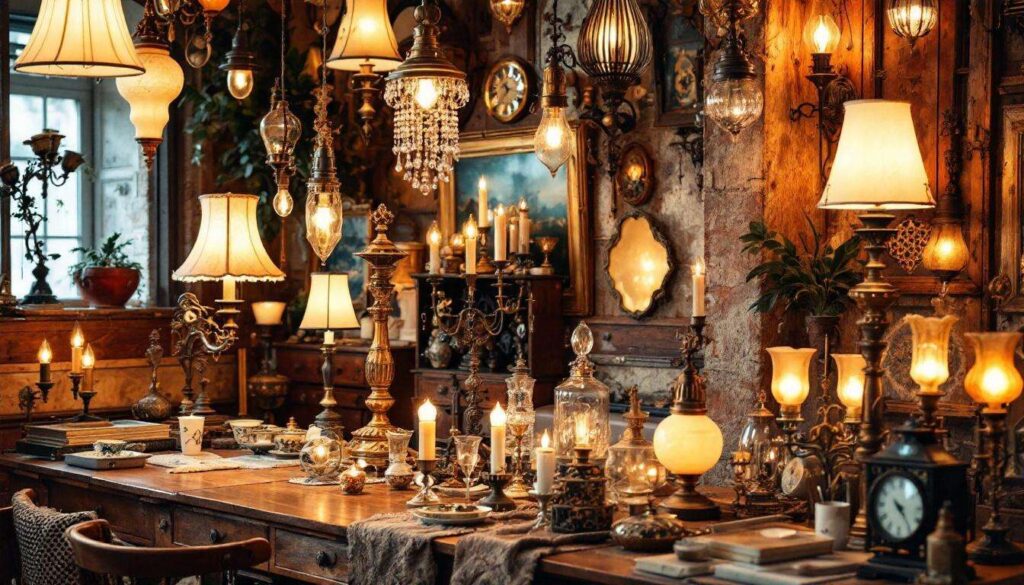
The allure of vintage lighting fixtures continues to captivate homeowners and interior enthusiasts seeking to infuse their spaces with character and historical charm. These timeless pieces offer a distinctive alternative to mass-produced contemporary options, promising both aesthetic appeal and a tangible connection to craftsmanship of bygone eras. Yet the decision to purchase vintage lighting requires careful consideration of practical concerns alongside aesthetic desires. From electrical safety to hidden restoration costs, the journey towards incorporating these pieces into modern homes presents both exciting possibilities and potential pitfalls that warrant thorough examination before committing to a purchase.
Why choose vintage lighting for your interior ?
Unmatched character and individuality
Vintage lighting fixtures possess an inherent uniqueness that contemporary reproductions struggle to replicate. Each piece carries the marks of its era, from the craftsmanship techniques employed to the materials selected during its creation. These fixtures transform ordinary rooms into curated spaces that reflect personal taste rather than following predictable design trends. The patina that develops on brass, copper, and bronze components adds depth and warmth that cannot be artificially manufactured, creating focal points that spark conversation and admiration.
Sustainable design choices
Choosing vintage lighting aligns with environmentally conscious interior design principles. By repurposing existing fixtures, homeowners reduce demand for newly manufactured products and the associated environmental costs of production and transportation. This approach offers several ecological advantages:
- Reduction in manufacturing waste and carbon emissions
- Preservation of quality materials already in circulation
- Decreased contribution to landfill accumulation
- Support for circular economy principles
Superior craftsmanship and materials
Many vintage lighting pieces showcase exceptional quality in both construction and materials. Fixtures produced during earlier periods often utilised solid metals, hand-blown glass, and meticulous assembly techniques that have largely disappeared from modern mass production. This superior craftsmanship means that, when properly maintained, vintage pieces can outlast their contemporary counterparts by decades. The weight, finish, and attention to detail found in vintage chandeliers and pendants frequently surpass what is available at comparable price points in today’s market.
Beyond these practical considerations, the decision to incorporate vintage lighting requires understanding the potential challenges that accompany these beautiful objects.
What to consider before buying vintage lighting
Authenticity and provenance
Determining the genuine age and origin of a vintage lighting fixture presents a significant challenge for inexperienced buyers. Not all old items qualify as valuable antiques, and many pieces marketed as vintage may be recent reproductions or mass-produced items from the mid-twentieth century with limited collectible value. Researching manufacturer marks, construction methods, and stylistic details helps distinguish truly special pieces from ordinary older fixtures. Documentation of provenance, whilst rare, adds considerable value and authenticity to any purchase.
Compatibility with modern spaces
Vintage fixtures were designed for different architectural contexts and electrical systems. Before purchasing, buyers must verify several practical compatibility factors:
- Ceiling height requirements and fixture dimensions
- Weight-bearing capacity of mounting locations
- Bulb type compatibility and availability
- Voltage requirements and electrical connections
- Light output suitability for intended room function
Condition assessment
Thorough inspection reveals the true condition of vintage lighting beyond surface appearances. Examine all components carefully, checking for cracks in glass shades, corrosion on metal parts, missing elements, and the integrity of any decorative features. Request to see the fixture illuminated before purchase, as non-functioning electrical components may indicate deeper issues. Sellers should be willing to demonstrate functionality or offer appropriate price adjustments for pieces requiring restoration work.
Understanding these preliminary considerations leads naturally to the critical matter of safety, which demands particular attention when dealing with older electrical fixtures.
How to assess the safety of vintage lighting
Electrical wiring concerns
Vintage lighting fixtures typically contain outdated wiring that fails to meet current safety standards. Original cloth-covered wiring deteriorates over time, becoming brittle and potentially hazardous. Insulation breaks down, exposing conductors and creating fire risks or electric shock hazards. Most interior design professionals and electricians recommend complete rewiring of vintage fixtures before installation, regardless of their apparent condition. This precautionary measure ensures compliance with modern electrical codes and protects both property and occupants.
Grounding and earthing requirements
Many older fixtures lack proper grounding mechanisms that contemporary safety standards mandate. Modern electrical systems require three-wire connections including earth protection, whilst vintage pieces often feature only two-wire configurations. Professional electricians can retrofit grounding capabilities during rewiring, but this modification requires expertise to execute properly without compromising the fixture’s aesthetic integrity or structural soundness.
Professional inspection recommendations
Engaging a qualified electrician provides essential verification of safety before installation. Professional assessment should evaluate:
| Safety aspect | Assessment criteria |
|---|---|
| Wiring condition | Insulation integrity, conductor exposure, connection security |
| Socket safety | Heat resistance, proper sizing, secure mounting |
| Structural integrity | Weight distribution, mounting hardware condition, stability |
| Heat management | Ventilation adequacy, material heat tolerance, bulb clearance |
These safety considerations connect directly to the financial implications of bringing vintage lighting up to modern standards.
The hidden cost of repairs on vintage lighting
Rewiring expenses
Professional rewiring represents the most significant restoration cost for vintage lighting fixtures. Qualified electricians charge between £80 and £200 for straightforward rewiring projects, though complex chandeliers with multiple arms and intricate wiring paths may command substantially higher fees. These costs increase when original components require careful preservation or when accessing internal wiring necessitates partial disassembly of delicate decorative elements.
Replacement parts and restoration
Sourcing period-appropriate replacement parts often proves challenging and expensive. Missing glass shades, damaged crystals, or broken decorative elements may require specialist suppliers or custom fabrication. Restoration costs can include:
- Glass shade replacement or repair: £40-£300 per piece
- Metal refinishing and replating: £100-£500 depending on size
- Crystal replacement: £5-£50 per individual crystal
- Custom metalwork fabrication: £150-£800 for complex repairs
Ongoing maintenance requirements
Vintage fixtures demand regular maintenance that exceeds the minimal attention required by modern lighting. Cleaning intricate components, monitoring electrical connections, and addressing wear on moving parts create ongoing time and financial commitments. Specialist cleaning products suitable for antique finishes, replacement bulbs for obsolete fittings, and periodic professional inspections add to the total cost of ownership over time.
Whilst these financial considerations matter greatly, the visual impact of vintage lighting ultimately justifies the investment for many homeowners.
The aesthetic considerations of vintage lighting
Style coherence and mixing periods
Successfully incorporating vintage lighting requires thoughtful consideration of how these pieces interact with existing décor. Vintage fixtures span numerous design movements, from ornate Victorian chandeliers to streamlined art deco pendants and organic midcentury forms. Each style carries distinct visual characteristics that either complement or clash with surrounding furnishings and architectural features. Skilled interior designers often advocate for intentional contrast rather than perfect period matching, creating dynamic spaces that feel collected rather than staged.
Scale and proportion
Vintage lighting fixtures were designed for different spatial contexts than many contemporary homes provide. Grand chandeliers created for high-ceilinged Victorian drawing rooms may overwhelm modest modern living spaces, whilst delicate art nouveau pendants might disappear in expansive open-plan layouts. Careful measurement and visualisation ensure that fixture dimensions harmonise with room proportions, ceiling heights, and furniture scale.
Finish and patina preservation
The aged surfaces of vintage lighting contribute significantly to their aesthetic appeal. Original patina, tarnish, and wear patterns tell the story of a fixture’s history and add visual depth that new items lack. Decisions about cleaning, polishing, or refinishing should balance preservation of character against personal aesthetic preferences and the overall design scheme. Over-restoration can strip away the very qualities that make vintage pieces desirable.
These aesthetic judgements benefit greatly from professional guidance, which brings us to expert perspectives on vintage lighting acquisition.
Interior designers’ advice on buying vintage lighting
Prioritising personal style over trends
Design professionals consistently emphasise the importance of authentic personal preference when selecting vintage lighting. Trends in interior design fluctuate constantly, but well-chosen vintage pieces transcend temporary fashions through their inherent quality and character. Experts recommend purchasing fixtures that genuinely resonate with individual taste rather than following popular movements, ensuring long-term satisfaction and creating spaces that feel personally meaningful rather than generically stylish.
Creating visual balance
Successful integration of vintage lighting depends on establishing visual equilibrium within a room. Interior designers suggest several strategies for achieving harmonious results:
- Limiting vintage lighting to one or two statement pieces per room
- Balancing ornate fixtures with simpler surrounding elements
- Repeating metals, finishes, or design motifs throughout the space
- Considering sight lines and how fixtures appear from multiple viewpoints
- Adjusting light levels to suit both fixture capabilities and room function
Investment versus decoration
Design experts caution against viewing vintage lighting primarily as financial investment. Whilst exceptional pieces may appreciate in value, most vintage fixtures should be selected for their decorative contribution rather than potential resale value. Mass-produced items from the twentieth century rarely command significant premiums, regardless of age. The true value lies in the aesthetic enhancement and personal satisfaction these pieces provide, making them worthwhile purchases even without investment potential.
Vintage lighting offers remarkable opportunities to create distinctive, characterful interiors that reflect personal taste and historical appreciation. The rewards include unmatched aesthetic appeal, superior craftsmanship, and sustainable design choices that reduce environmental impact. However, these benefits come alongside genuine risks, particularly regarding electrical safety, hidden restoration costs, and the challenges of achieving aesthetic coherence. Successful vintage lighting purchases require thorough inspection, professional safety assessment, realistic budgeting for repairs, and thoughtful consideration of how pieces will function within modern spaces. By approaching these acquisitions with both enthusiasm and caution, homeowners can enjoy the considerable pleasures of vintage lighting whilst minimising potential disappointments and hazards.