



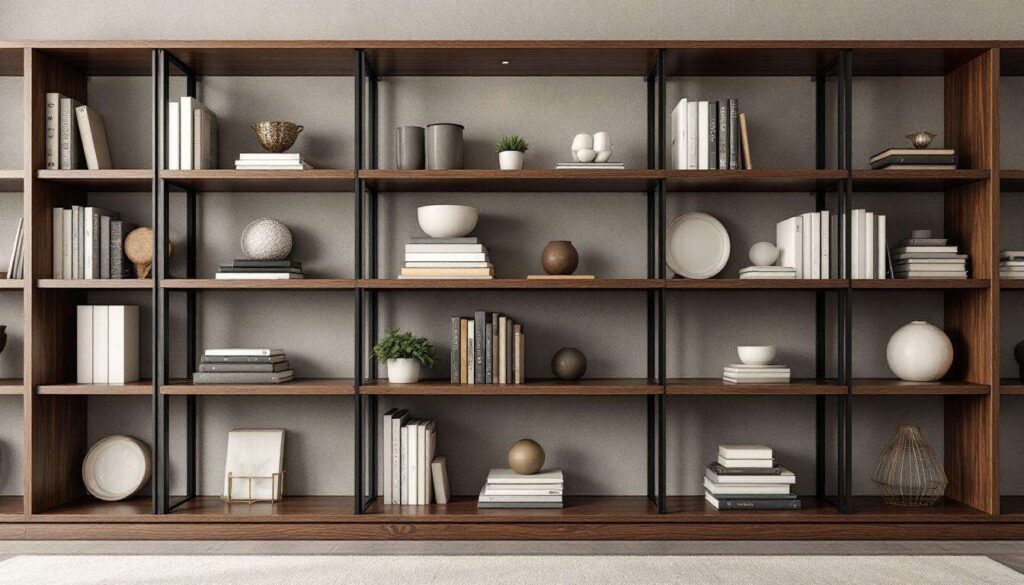
Shelves have quietly transformed from simple storage solutions into powerful statements of personal style and identity. What was once purely functional has evolved into an art form, with homeowners and designers alike recognising that the way we display our belongings speaks volumes about who we are. This phenomenon, dubbed “shelf esteem”, celebrates the shelf itself as a canvas for self-expression, blending practicality with aesthetics in ways that influence both our daily lives and the spaces we inhabit.
The rise of the shelf esteem trend
From storage to statement piece
The concept of shelf esteem has emerged as a defining characteristic of contemporary interior design, marking a shift in how we perceive and utilise shelving. Rather than relegating shelves to purely utilitarian roles, this trend acknowledges their potential as silent autobiographies that reveal personal narratives through carefully curated displays. The arrangement of books, decorative objects, and cherished mementos creates a visual language that communicates values, interests, and aesthetic sensibilities to anyone who enters the space.
The psychology behind the trend
Understanding the psychological impact of shelving arrangements has become central to this movement. Research suggests that organised shelves contribute significantly to mental clarity and emotional wellbeing. The visual landscape created by thoughtfully arranged items can evoke feelings of calm and inspiration, whilst cluttered or chaotic displays may inadvertently increase stress levels. This connection between physical organisation and mental state has prompted many to reconsider their approach to shelving, treating it as an investment in their psychological comfort rather than merely a storage solution.
Retail environments embrace the concept
The retail sector has swiftly adopted shelf esteem principles, recognising that effective merchandising extends beyond product placement. Vertical merchandising and strategic colour blocking have become essential techniques for enhancing product visibility and desirability. Retailers understand that shelves serve as the primary interface between consumers and products, making their design and organisation critical to commercial success. The trend has prompted businesses to invest in training staff on optimal display techniques and to regularly refresh arrangements to maintain customer engagement.
As the importance of shelving continues to grow, attention naturally turns to the practical methods for achieving visually appealing and functional arrangements.
How to organise your shelves with style
Starting with a blank canvas
The most effective approach to shelf styling begins with complete removal of all existing items. This blank slate allows for objective assessment of each object’s value and visual contribution. As items are progressively reintroduced, the focus should remain on whether each piece holds personal significance or enhances the overall aesthetic. This methodical process prevents the accumulation of clutter and ensures that every displayed item earns its place through either emotional resonance or visual appeal.
The rule of threes and visual balance
Professional stylists frequently employ the rule of threes when arranging decorative objects, as groupings in odd numbers create visual interest and natural balance. Key principles include:
- Varying heights within groupings to add dimension and depth
- Mixing textures and materials to create tactile interest
- Incorporating negative space to prevent visual overwhelm
- Balancing heavy and light elements across the entire shelf
- Using colour strategically to create cohesion or deliberate contrast
Seasonal rotation and adaptability
The concept of seasonal shelf styling acknowledges that our environments should evolve alongside our lives and the changing calendar. Rotating displays not only keeps spaces feeling fresh but also allows for the celebration of different aspects of one’s personality throughout the year. This adaptability might involve introducing seasonal colours, swapping out books to reflect current reading interests, or highlighting objects that resonate with particular times of year. The practice encourages ongoing engagement with one’s possessions and prevents the stagnation that can occur when displays remain static for extended periods.
Whilst general principles provide a foundation, learning from established design authorities offers additional insight into achieving professional results.
The secrets of decorating according to Kelly Hoppen
The philosophy of neutral sophistication
Renowned interior designers emphasise the importance of neutral palettes as a foundation for successful shelf styling. This approach creates a calming backdrop that allows carefully selected accent pieces to shine without competing for attention. The philosophy advocates for restraint and intentionality, suggesting that fewer, higher-quality items make a stronger visual impact than numerous mediocre pieces. By maintaining a cohesive colour scheme across shelving displays, homeowners can achieve a sense of sophistication and visual harmony that transcends fleeting trends.
Layering and depth techniques
Creating visual depth remains essential to professional-looking shelf arrangements. Techniques include:
- Placing larger items towards the back and smaller pieces at the front
- Leaning artwork or mirrors against the wall to add dimension
- Incorporating varied depths through stacked books and raised platforms
- Using lighting to highlight focal points and create shadow play
- Introducing natural elements like plants to soften hard edges
The balance between function and beauty
Expert designers consistently stress that successful shelving must marry aesthetic appeal with practical functionality. In spaces like kitchens, where open shelving has gained popularity, the challenge lies in displaying everyday essentials in ways that appear both intentional and beautiful. This requires thoughtful selection of dishware, glassware, and storage containers that complement the overall design scheme whilst remaining readily accessible for daily use. The key lies in treating functional items as decorative elements, choosing pieces that enhance rather than detract from the visual composition.
Beyond styling techniques, the physical characteristics of shelving systems themselves play a crucial role in achieving desired aesthetic outcomes.
Floating shelves: timeless and practical
The appeal of minimalist design
Floating shelves have maintained their popularity precisely because they embody the principles of shelf esteem whilst offering maximum visual impact with minimal physical presence. Their concealed mounting systems create the illusion that displayed items hover against the wall, lending an air of sophistication and modernity to any space. This design choice particularly suits contemporary and minimalist interiors, where clean lines and uncluttered surfaces take precedence. The absence of visible brackets or supports allows the focus to remain entirely on the curated contents rather than the supporting structure.
Versatility across room types
The adaptability of floating shelves makes them suitable for virtually any room in the home. Consider their applications:
| Room | Primary Function | Styling Opportunities |
|---|---|---|
| Living Room | Display and storage | Books, artwork, decorative objects |
| Kitchen | Accessible storage | Dishware, glassware, herbs |
| Bathroom | Toiletry organisation | Towels, plants, luxury products |
| Bedroom | Personal items | Books, photographs, mementos |
Installation considerations and weight capacity
Whilst floating shelves offer aesthetic advantages, their structural limitations require careful consideration. Proper installation into wall studs or using appropriate anchoring systems ensures safety and longevity. Weight capacity varies significantly based on shelf material, length, and mounting method, making it essential to match shelf specifications with intended use. Heavier items like large books or substantial decorative pieces demand robust mounting solutions, whilst lighter displays allow for more flexible installation options. Understanding these practical constraints prevents both safety hazards and the disappointment of sagging shelves that compromise the intended visual effect.
The physical arrangement and design of shelves directly influences how we perceive and experience the spaces they occupy.
The impact of aesthetics on the perception of interiors
First impressions and spatial perception
The visual presentation of shelving significantly influences how visitors perceive entire rooms. Well-styled shelves create focal points that draw the eye and establish the tone for the surrounding space. Conversely, cluttered or poorly arranged shelves can make even spacious rooms feel cramped and chaotic. This psychological impact extends beyond mere aesthetics, affecting mood, comfort levels, and even the perceived value of a property. Estate agents and home stagers recognise this power, often investing considerable effort in shelf styling to enhance property appeal during viewings.
Colour psychology and emotional response
The colours displayed on shelves trigger specific emotional responses that subtly shape our experience of a space. Warm tones like terracotta and ochre create feelings of comfort and welcome, whilst cooler blues and greens promote calm and relaxation. Neutral schemes provide versatility and sophistication, allowing accent colours to make strategic impacts. Understanding these psychological associations enables homeowners to curate shelf displays that reinforce desired emotional atmospheres, whether seeking energising vibrancy or peaceful tranquillity.
The role of negative space
Perhaps counterintuitively, what remains absent from shelves proves as important as what appears upon them. Negative space prevents visual overwhelm and allows individual items to receive proper attention. This breathing room creates a sense of luxury and intentionality, suggesting that each displayed piece has been carefully selected rather than haphazardly accumulated. Professional designers typically recommend leaving approximately thirty percent of shelf space empty, though this proportion may vary based on personal preference and the specific character of the space.
Beyond visual appeal, the arrangement of our physical environments carries deeper implications for our mental and emotional wellbeing.
The philosophical benefits of light interiors
The connection between order and mental clarity
The principles underlying shelf esteem extend into broader philosophical territory, touching upon the relationship between physical order and psychological wellbeing. Thoughtfully arranged shelves contribute to an overall sense of control and intentionality in one’s environment. This external order often mirrors and reinforces internal mental states, creating a positive feedback loop wherein organised surroundings promote clearer thinking, which in turn motivates continued maintenance of orderly spaces. The practice of curating shelf displays becomes a form of mindfulness, requiring present-moment awareness and deliberate decision-making.
Light, space, and emotional impact
Interiors that emphasise lightness and openness through careful shelf styling contribute to enhanced mood and reduced stress levels. Natural light interacting with thoughtfully arranged objects creates dynamic visual experiences that change throughout the day, preventing the monotony that can characterise static, cluttered spaces. The transparency afforded by open shelving, particularly in kitchens and living areas, creates a sense of expanded space that counters feelings of confinement. This psychological expansion proves particularly valuable in smaller homes or urban apartments where physical space comes at a premium.
Sustainability and conscious consumption
The shelf esteem movement inadvertently promotes sustainable living practices by encouraging mindful curation rather than mindless accumulation. When shelves serve as display spaces for cherished items, the focus shifts from quantity to quality. This philosophical approach aligns with broader movements towards minimalism and conscious consumption, suggesting that true richness lies not in possessing numerous objects but in surrounding oneself with fewer items of genuine significance. The practice of regularly reviewing and refining shelf contents naturally leads to more thoughtful purchasing decisions and reduced waste.
The shelf esteem trend represents far more than superficial styling advice, encompassing psychological insights, design principles, and philosophical considerations about how we inhabit our spaces. By recognising shelves as powerful tools for self-expression and environmental control, homeowners can transform mundane storage solutions into meaningful statements of identity and intention. The careful balance of aesthetics and functionality, combined with awareness of psychological impacts, enables the creation of interiors that not only appear beautiful but actively contribute to enhanced wellbeing. Whether through floating shelves in minimalist spaces or richly layered displays in traditional settings, the principles of shelf esteem offer pathways to more intentional, satisfying living environments that reflect and reinforce our best selves.