
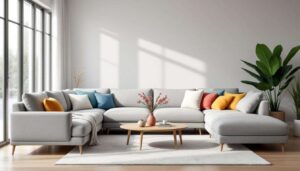

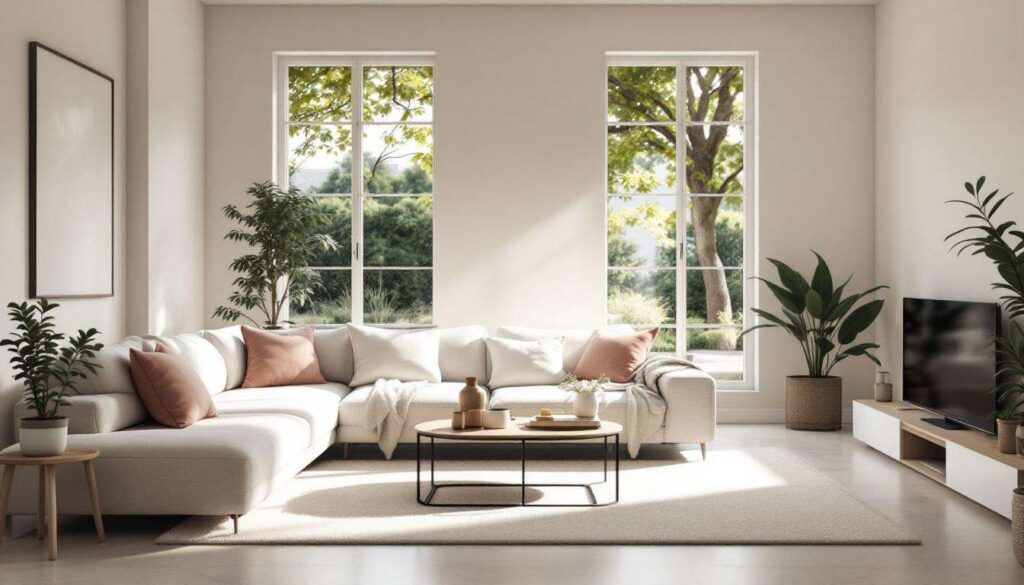
The spaces we inhabit shape more than just our physical surroundings. They influence our mood, productivity, and overall sense of wellbeing in ways we often fail to recognise. When daily life feels overwhelming or frustrating, the culprit may not be our circumstances or personal failings, but rather the environment in which we spend our time. Good design isn’t merely about aesthetics; it’s about creating spaces that actively support our needs, habits, and aspirations. By understanding the fundamental principles of thoughtful interior arrangement, anyone can transform their home into a sanctuary that promotes everyday ease rather than stress.
The importance of the environment in daily well-being
How our surroundings affect mental health
The relationship between our physical environment and psychological state runs deeper than most people realise. Research consistently demonstrates that poorly designed spaces contribute to increased stress levels, reduced concentration, and even physical discomfort. Cluttered rooms overwhelm our visual processing systems, making it difficult to relax or focus on tasks. Inadequate lighting can disrupt circadian rhythms, affecting sleep quality and energy levels throughout the day. Conversely, well-considered environments promote calmness, clarity, and a sense of control over one’s life.
The psychological impact of design extends to how we perceive ourselves and our capabilities. A chaotic workspace may reinforce feelings of inadequacy or overwhelm, whilst an organised, purposeful environment can boost confidence and motivation. The colours, textures, and spatial arrangements we encounter daily send subtle messages to our subconscious, influencing our emotional baseline without conscious awareness.
Physical comfort and functional efficiency
Beyond psychological effects, our spaces directly impact physical comfort and daily efficiency. Consider these practical influences:
- Furniture placement that creates awkward traffic patterns leads to minor frustrations repeated dozens of times daily
- Inadequate storage solutions force constant decisions about where to place items, draining mental energy
- Poor ergonomics in frequently used areas contribute to physical strain and fatigue
- Insufficient task lighting in work areas causes eye strain and headaches
When these elements function smoothly, we rarely notice them. However, when they’re poorly executed, they create friction that accumulates throughout the day, leaving us exhausted without understanding why. The environment becomes an obstacle rather than a support system.
Understanding this connection between space and wellbeing provides the foundation for making meaningful changes, which begins with grasping the core principles that underpin effective design.
The fundamental principles of design for a soothing interior
Balance and proportion in spatial planning
Creating a soothing interior starts with visual balance, the distribution of visual weight throughout a room. This doesn’t mean perfect symmetry, but rather a sense that elements are appropriately scaled and positioned relative to one another. An oversized sofa in a small room creates imbalance, just as tiny furniture in a spacious area feels lost and disconnected. Proportion ensures that each piece relates harmoniously to both the room dimensions and other furnishings.
Consider the relationship between horizontal and vertical elements. Rooms dominated entirely by low furniture can feel sprawling and undefined, whilst too many tall pieces create a cramped, oppressive atmosphere. Achieving balance involves mixing heights, depths, and visual weights to create rhythm and interest without chaos.
The role of light in creating atmosphere
Lighting represents perhaps the most transformative yet underutilised design element. A single room requires multiple light sources serving different functions:
| Lighting Type | Purpose | Placement Considerations |
|---|---|---|
| Ambient | General illumination | Ceiling fixtures, evenly distributed |
| Task | Focused work areas | Desk lamps, under-cabinet strips |
| Accent | Highlighting features | Spotlights, picture lights |
| Mood | Creating atmosphere | Dimmable sources, candles |
Natural light deserves particular attention. Maximising daylight through strategic window treatments and reflective surfaces profoundly impacts mood and energy. Layered lighting schemes that adapt to different times of day and activities create flexibility and comfort.
Colour psychology and material selection
Colours evoke specific emotional responses that influence how we experience spaces. Cool tones like blues and greens typically promote calmness and focus, making them ideal for bedrooms and study areas. Warm hues such as terracotta and golden yellows create energy and sociability, suiting living and dining spaces. Neutral palettes provide versatility and timelessness, serving as canvases for accent colours that can evolve with preferences.
Material choices complement colour in establishing atmosphere. Natural materials like wood, stone, and linen introduce organic warmth and texture, whilst metals and glass offer sleek modernity. The key lies in thoughtful combination rather than adherence to a single aesthetic, creating layered sensory experiences that feel rich without overwhelming.
With these principles established, the next step involves translating theory into practical application within your specific spaces.
How to create a harmonious and functional space
Measuring and understanding your space
Effective design begins with accurate spatial assessment. Before purchasing furniture or planning layouts, measure every dimension of your room: wall lengths, ceiling height, window and door positions, and any architectural features like alcoves or columns. Create a simple floor plan, either on graph paper or using free digital tools, noting these measurements precisely.
Understanding your space extends beyond mere dimensions. Observe how natural light moves through the room at different times. Identify existing focal points, whether architectural features or views. Note traffic patterns and how people naturally move through the area. This spatial intelligence informs every subsequent decision.
Defining function before form
Each space must serve specific purposes, and clarity about function prevents costly mistakes. Ask yourself:
- What activities will occur in this room ?
- How many people typically use this space simultaneously ?
- What items need storage here ?
- Are there multiple functions that must coexist ?
A living room might need to accommodate relaxed conversation, television viewing, and occasional work-from-home sessions. Each function requires different furniture arrangements, lighting, and storage solutions. Prioritising primary functions whilst accommodating secondary needs ensures the space works practically rather than simply looking attractive.
Creating zones within open spaces
Modern homes often feature open-plan layouts that require deliberate zone creation. Use furniture arrangement, area rugs, and lighting to define distinct areas within larger spaces. A sofa positioned perpendicular to a wall creates separation between living and dining zones without physical barriers. Different lighting schemes for each area reinforce functional boundaries whilst maintaining visual flow.
These foundational strategies provide the framework, but transformation often requires specific, actionable changes that deliver immediate impact.
Tips for instantly transforming your interior
Decluttering and strategic storage solutions
The fastest route to improved space functionality involves ruthless decluttering. Remove items that don’t serve a clear purpose or bring genuine pleasure. For remaining possessions, implement storage that keeps surfaces clear whilst maintaining accessibility. Closed storage conceals visual clutter, whilst open shelving displays curated items that enhance rather than detract from the environment.
Consider vertical storage to maximise floor space. Wall-mounted shelves, hooks, and organisers utilise often-wasted wall area. Furniture with built-in storage, such as ottomans or bed frames with drawers, serves dual purposes efficiently.
The impact of textiles and soft furnishings
Textiles offer immediate transformation without permanent commitment. Changing cushion covers, throws, and curtains alters a room’s entire character quickly and affordably. Layer different textures to create depth: combine smooth cotton with nubby linen, soft velvet with crisp canvas. These tactile variations make spaces feel more inviting and considered.
Window treatments deserve particular attention. Heavy curtains add warmth and sound absorption, whilst sheer panels filter light beautifully. The right window dressing can make rooms feel taller, wider, or more intimate depending on hanging height and fullness.
Repositioning furniture for better flow
Sometimes transformation requires nothing more than rearranging existing pieces. Pull furniture away from walls to create intimate conversation areas. Angle pieces to soften rigid room geometries. Ensure clear pathways of at least 90 centimetres for comfortable movement. These adjustments cost nothing but can dramatically improve how a space functions and feels.
Whilst these practical changes deliver results, truly personalised spaces require attention to the unique character of each individual room.
Why every room deserves a unique touch
Avoiding cookie-cutter design approaches
The temptation to replicate showroom aesthetics or trending styles often results in spaces that feel generic and disconnected from inhabitants’ actual lives. Each room in your home serves different purposes and should reflect those distinctions. A bedroom requires different energy than a kitchen; a home office needs different considerations than a bathroom. Honouring these differences creates a home that feels cohesive yet varied, interesting yet harmonious.
Incorporating personal narrative and meaning
The most successful interiors tell stories about the people who inhabit them. Display items collected during travels, artwork created by family members, or inherited pieces with history. These personal elements transform generic spaces into meaningful environments that reflect individual journeys and values. They also provide natural conversation starters and daily reminders of cherished experiences.
This doesn’t mean cluttering surfaces with every memento. Curate thoughtfully, selecting pieces that genuinely resonate and displaying them with intention. Rotate items seasonally to keep the environment fresh whilst honouring different aspects of your story.
Adapting spaces to evolving needs
Life circumstances change, and spaces should adapt accordingly. A nursery becomes a child’s bedroom, then a teenager’s retreat, eventually transforming into a guest room or home office. Rather than viewing these transitions as disruptions, embrace them as opportunities to reassess and refine. Flexible design that anticipates change proves more sustainable and satisfying than rigid adherence to a single vision.
This adaptive, personal approach connects directly to the broader impact that thoughtful design can have on daily experience.
The power of sensitive design to enhance your space
Design as ongoing practice rather than one-time project
Effective interior design isn’t a destination but a continuous process of observation, adjustment, and refinement. Notice what works and what frustrates. Pay attention to which spaces you naturally gravitate towards and which you avoid. These patterns reveal important information about how successfully your environment supports your needs.
Small, incremental changes often prove more effective than dramatic overhauls. Moving a lamp, swapping cushions between rooms, or adding a plant can shift energy and functionality significantly. This experimental approach removes pressure whilst building confidence in your design instincts.
The ripple effect of intentional spaces
When spaces function well and feel nurturing, the benefits extend beyond immediate comfort. Reduced environmental stress improves relationships, as household members experience less friction and frustration. Enhanced organisation saves time and mental energy for more meaningful pursuits. Supportive environments quite literally create space for better versions of ourselves to emerge.
This ripple effect explains why investing attention in our surroundings yields returns far exceeding the initial effort. The daily accumulation of small positive interactions with our environment compounds into significantly improved quality of life.
The spaces we create reflect and shape who we are. By approaching interior design as a thoughtful practice rather than a superficial exercise, we craft environments that genuinely support our wellbeing, productivity, and happiness. The principles outlined here provide starting points, but the most important element remains attention to your own experience within your spaces. Notice what serves you, release what doesn’t, and trust that creating everyday ease through good design is entirely within your reach. Your environment should work for you, not against you, and achieving that alignment requires nothing more than intentional observation and gradual, purposeful adjustment.