



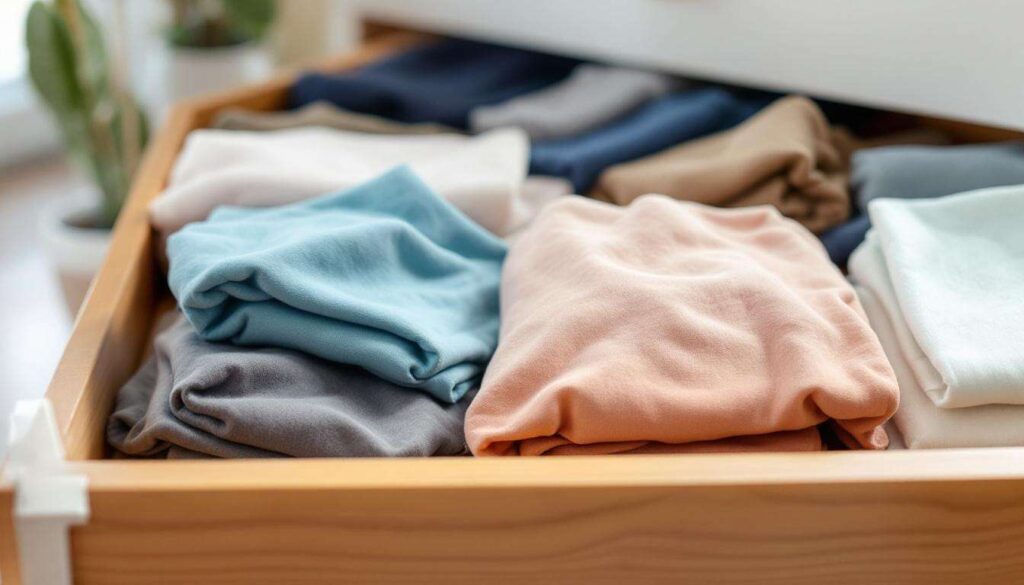
The art of folding clothes might seem mundane, yet it holds the power to transform cluttered drawers into serene, organised spaces. When I decided to embrace a systematic approach to managing my wardrobe, I discovered that the simple act of folding could revolutionise not only my storage but also my daily routine. What began as an experiment to tidy my drawers evolved into a revelation about the relationship between physical order and mental clarity.
Discovering the KonMari folding method
The philosophy behind the technique
The folding technique at the heart of this organisational system centres on vertical storage rather than traditional stacking. Each garment is folded into a compact rectangle that stands upright in the drawer, creating what resembles a filing system for clothing. This approach ensures that every item remains visible at a glance, eliminating the frustration of rummaging through piles to find a specific shirt or pair of trousers.
The method emphasises respect for belongings. By folding each piece with care and intention, the process becomes almost meditative. The technique involves:
- Laying the garment flat on a surface
- Folding it into a long rectangle
- Creating additional folds to form a compact shape
- Ensuring the item can stand independently
Why traditional folding falls short
Conventional stacking methods create several problems that become apparent only when one attempts an alternative. Items at the bottom of piles become forgotten and unworn, while pulling out a single piece often disrupts the entire stack. This system also makes it difficult to assess what clothing one actually owns, leading to unnecessary purchases and wardrobe redundancy.
| Traditional stacking | Vertical folding |
|---|---|
| Items buried and forgotten | All pieces visible |
| Disrupts entire pile when selecting | Easy individual access |
| Difficult to inventory | Clear overview of possessions |
Understanding these fundamental differences set the stage for examining which items truly deserved space in my drawers.
Choosing clothes that spark joy
The decluttering prerequisite
Before any folding could commence, I needed to confront the full extent of my wardrobe. The process required gathering every single garment from wardrobes, drawers, and storage boxes into one overwhelming pile. This visual representation of accumulated clothing proved both shocking and necessary. The sheer volume forced an honest assessment of purchasing habits and attachment to unworn items.
The selection criteria focused on a simple question: does this item bring genuine satisfaction ? Holding each piece individually, I evaluated not just its current utility but the emotional response it generated. Items that prompted hesitation or guilt were thanked for their service and set aside for donation.
Category-by-category decision making
Tackling the entire wardrobe simultaneously would have been overwhelming. Instead, I divided clothing into manageable categories:
- Tops and shirts
- Trousers and jeans
- Dresses and skirts
- Knitwear and jumpers
- Undergarments and socks
This systematic approach prevented decision fatigue and allowed for more thoughtful choices. By the end of the sorting process, I had reduced my clothing volume by approximately forty per cent, creating space not just in drawers but in my relationship with possessions. With a curated collection remaining, the practical work of mastering the folding technique could begin.
Learning to fold with the KonMari method
Mastering the basic technique
The folding process initially felt awkward and time-consuming. Each garment type requires slight variations in technique, and achieving the perfect rectangle that stands upright demanded practice. I began with simple items like t-shirts, which are the most forgiving for beginners.
The basic steps for a standard shirt involve folding one side towards the centre, then the sleeve back on itself, repeating on the other side, and finally folding the length into thirds or halves depending on drawer depth. The goal is creating a self-supporting rectangle that reveals the garment’s pattern or colour when stored vertically.
Adapting to different fabrics
Different materials presented unique challenges. Delicate fabrics required gentler handling, whilst bulky knitwear needed adjusted proportions to fit drawer dimensions. Silk blouses demanded extra care to avoid creasing, whilst denim could withstand firmer folding.
| Fabric type | Folding consideration |
|---|---|
| Cotton t-shirts | Standard rectangle, easiest to master |
| Knitwear | Wider folds to accommodate bulk |
| Silk and delicates | Gentle handling, minimal creasing |
| Denim | Firm folds, compact storage |
After approximately two weeks of consistent practice, the folding became automatic, requiring minimal thought whilst delivering consistent results. This newfound efficiency naturally extended to organising items beyond clothing.
Organisation by categories: clothes, bed linen, and others
Drawer allocation strategies
With folding mastered, the next challenge involved strategic drawer assignment. I designated specific drawers for distinct categories, ensuring frequently worn items occupied the most accessible locations. Undergarments and socks claimed the top drawer, everyday tops the second, whilst seasonal or occasional wear settled into lower spaces.
This categorical organisation extended beyond clothing. The vertical folding technique proved remarkably effective for:
- Bed linen and pillowcases
- Kitchen towels and tea cloths
- Bathroom linens
- Reusable shopping bags
Maintaining the system
The true test of any organisational method lies in its sustainability. I established a simple rule: every item must return to its designated position immediately after laundering. This discipline prevented the gradual descent into chaos that typically follows initial tidying efforts.
Seasonal rotations became straightforward affairs. When temperatures shifted, I simply swapped drawer contents rather than disrupting the entire system. The vertical arrangement meant I could see exactly which summer dresses or winter jumpers awaited their turn, eliminating the surprise of rediscovering forgotten items. These practical benefits naturally prompted questions from curious friends and family.
FAQ on Marie Kondo’s folding
Common questions and practical answers
How long does folding take compared to traditional methods ? Initially, the technique requires more time as muscle memory develops. However, after the learning period, folding becomes equally quick whilst delivering superior organisational results.
Does the method work for children’s clothing ? Absolutely. The technique adapts beautifully to smaller garments, and teaching children to fold their own clothes instils valuable organisational habits. The visual nature of vertical storage helps young ones locate their preferred outfits independently.
What about items that don’t fold well ? Certain garments—structured jackets, formal dresses, or heavily embellished pieces—are better suited to hanging. The method acknowledges this, recommending hanging for items where folding would damage the garment or compromise its appearance.
Troubleshooting storage challenges
My folded items keep falling over. What am I doing wrong ? This typically indicates the folds are either too loose or the rectangle is too tall for its width. Adjust the proportions until the item achieves stability. Drawer dividers can also provide support during the adjustment period.
Can this work in shallow drawers ? Yes, but it requires adapting fold proportions. Create wider, flatter rectangles that still allow vertical storage. The principle of visibility remains effective even with modified dimensions.
These practical considerations ultimately serve the method’s larger purpose: creating storage that functions beautifully whilst remaining effortlessly maintainable.
Visual impact and organisational benefits
The aesthetic transformation
Opening a drawer organised with vertical folding delivers a genuinely satisfying visual experience. The neat rows of standing garments, arranged by colour or type, transform functional storage into something approaching art. This aesthetic pleasure proves surprisingly motivating, encouraging continued maintenance of the system.
The method’s visual clarity extends beyond mere prettiness. Being able to see every item simultaneously eliminates the mental burden of remembering what clothing one owns. This complete inventory at a glance prevents duplicate purchases and encourages creative outfit combinations using overlooked pieces.
Practical advantages in daily life
The organisational benefits manifest in numerous small ways that accumulate into significant time savings. Morning routines become more efficient when selecting clothes requires seconds rather than minutes of searching. Packing for trips simplifies dramatically when one can quickly identify and access needed items.
| Benefit | Impact |
|---|---|
| Complete visibility | Reduced decision time, better outfit choices |
| Space efficiency | 30-50% more storage capacity |
| Easy maintenance | Order sustained with minimal effort |
| Garment care | Reduced wrinkles, extended clothing life |
Perhaps most significantly, the method fosters a more intentional relationship with possessions. When every item has a designated place and remains visible, one becomes more conscious of what enters the home, leading to more thoughtful purchasing decisions and reduced clutter accumulation.
The journey from chaotic, overstuffed drawers to organised, peaceful storage proved surprisingly transformative. What began as a simple folding technique evolved into a broader philosophy about respecting belongings and creating living spaces that support rather than stress daily life. The method requires initial investment of time and effort, yet the resulting order maintains itself with minimal ongoing attention. My drawers have indeed never looked better, but more importantly, they function better, making the mundane task of selecting clothes each morning a moment of calm rather than frustration.