
Transforming a house into a home requires more than just furniture and paint. It demands a personal touch that reflects individual taste, memories, and creativity. DIY decor projects offer an accessible way to infuse every room with character and warmth, turning ordinary spaces into environments that tell a story. From repurposing vintage finds to experimenting with bold colours and textures, these hands-on approaches allow homeowners to craft interiors that feel authentically theirs without breaking the bank.
Integrating vintage elements into a modern decor
Creating visual dialogue between eras
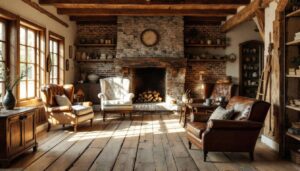
Blending vintage pieces with contemporary furnishings creates a layered aesthetic that feels both curated and lived-in. The key lies in selecting items that complement rather than compete with one another. A mid-century sideboard paired with sleek modern dining chairs, for instance, establishes an intriguing contrast that draws the eye and sparks conversation.
When sourcing vintage elements, consider the following approaches:
- Visit local antique markets and charity shops for unique furniture pieces
- Search online marketplaces for specific era items that match your vision
- Repurpose family heirlooms to add sentimental value alongside visual interest
- Mix metals and finishes to prevent the space from feeling too coordinated
Balancing old and new proportions
Achieving harmony between vintage and modern requires thoughtful proportion. A general guideline suggests maintaining a 70-30 or 60-40 ratio, allowing one style to dominate whilst the other provides accent. This prevents the space from appearing cluttered or confused in its design direction.
| Room Type | Suggested Vintage Elements | Modern Complements |
|---|---|---|
| Living Room | Antique mirror, vintage armchair | Minimalist sofa, contemporary lighting |
| Bedroom | Ornate headboard, retro bedside tables | Simple linens, modern lamps |
| Kitchen | Farmhouse table, vintage crockery display | Sleek appliances, handleless cabinets |
This approach to mixing styles naturally leads to another powerful design tool: the strategic use of textiles to add depth and character.
Incorporating unique textiles into your interior
Layering fabrics for texture and warmth
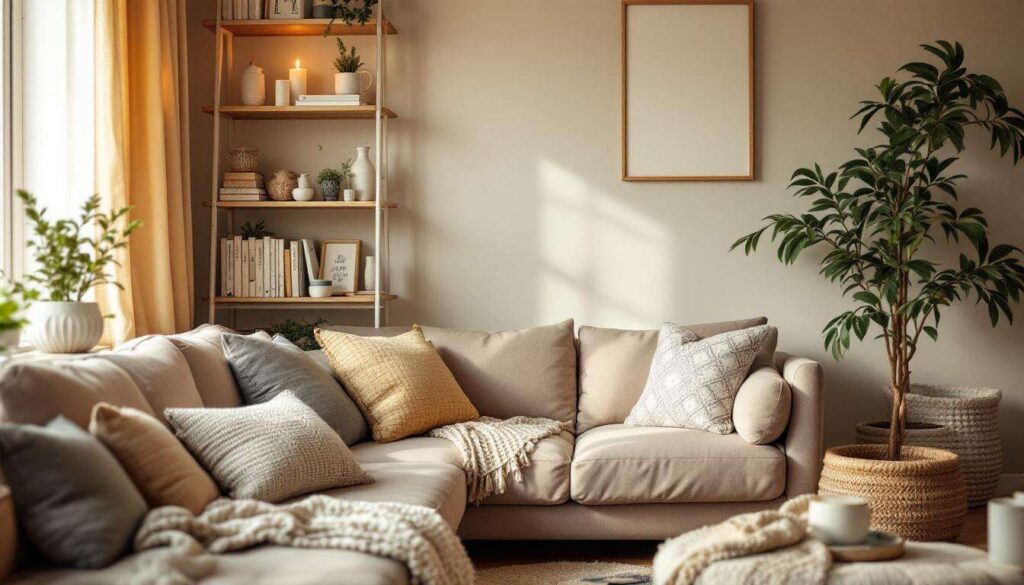
Textiles serve as the soft architecture of a room, introducing tactile variety that makes spaces feel inviting. Layering different fabrics creates visual richness whilst also serving practical purposes. Consider combining linen curtains with velvet cushions and a wool throw to build a sensory experience that changes with the seasons.
Effective textile layering includes:
- Mixing patterns in complementary colour palettes
- Combining different weaves and textures for depth
- Using rugs to define zones within open-plan spaces
- Introducing handmade or artisan textiles for authenticity
DIY textile projects for personalisation
Creating your own textile pieces adds an unmistakable personal stamp to interiors. Simple projects such as dyeing plain cushion covers, creating patchwork throws from fabric remnants, or stencilling patterns onto plain curtains require minimal investment but deliver maximum impact. These handcrafted elements become conversation pieces that reflect individual creativity.
Once textiles have added softness and texture, the next step involves introducing colour to energise the overall aesthetic.
Adding a splash of colour to revitalise the space
Strategic colour placement for maximum impact
Colour possesses transformative power, capable of altering a room’s perceived size, mood, and energy. Rather than committing to full-wall treatments, strategic colour placement offers flexibility and visual interest. Painting a single feature wall, the interior of a bookshelf, or even just the ceiling can create unexpected delight without overwhelming the space.
Consider these targeted colour applications:
- Paint door frames in contrasting hues to create architectural definition
- Use bold colours on smaller furniture pieces like side tables or stools
- Create an accent wall behind shelving units to make displays pop
- Introduce colour through removable wallpaper for commitment-free experimentation
Moving beyond neutral palettes
The shift away from exclusively neutral interiors reflects a desire for spaces that express joy and individuality. Incorporating vibrant shades doesn’t require abandoning sophistication; rather, it’s about finding the right balance. Terracotta, deep teal, mustard yellow, and coral pink have emerged as popular choices that add warmth whilst maintaining elegance.
| Colour Family | Psychological Effect | Best Room Application |
|---|---|---|
| Warm tones (coral, terracotta) | Energising, welcoming | Living rooms, dining areas |
| Cool tones (teal, sage) | Calming, restorative | Bedrooms, bathrooms |
| Bold accents (mustard, navy) | Confidence, creativity | Home offices, hallways |
With colour establishing visual interest, lighting becomes the next essential element in creating atmosphere and highlighting these design choices.
Using strategic lighting to create a warm atmosphere
Layering light sources for flexibility
Effective lighting design incorporates multiple sources at different heights and intensities. This layered approach allows for adjustment based on time of day, activity, and mood. Combining ambient ceiling lights with task lighting and accent lamps creates a flexible lighting scheme that serves both functional and aesthetic purposes.
Essential lighting layers include:
- Ambient lighting for overall illumination
- Task lighting for specific activities like reading or cooking
- Accent lighting to highlight artwork or architectural features
- Decorative lighting that serves as visual focal points
DIY lighting projects for character
Creating custom lighting fixtures adds unique personality whilst often proving more budget-friendly than designer pieces. Projects such as wrapping pendant cords in coloured fabric, creating lampshades from unexpected materials, or installing dimmer switches to control ambience require modest skill levels but deliver significant impact. Vintage-style Edison bulbs in simple fittings offer instant character with minimal effort.
Once lighting has set the mood, accessories become the finishing touches that truly personalise a space.
Accessorising to instantly bring personality
Curating meaningful collections
Accessories tell the story of who inhabits a space. Rather than purchasing coordinated sets, curating collections over time creates more authentic interiors. Grouping items by theme, colour, or material creates visual cohesion whilst allowing individual pieces to shine. Travel souvenirs, inherited items, and personal artwork contribute layers of meaning that mass-produced decor cannot replicate.
Effective accessorising principles:
- Group items in odd numbers for visual appeal
- Vary heights and scales within displays
- Leave negative space to prevent overcrowding
- Rotate accessories seasonally to maintain freshness
Functional accessories with aesthetic value
The most successful accessories serve dual purposes, combining utility with beauty. Vintage baskets provide storage whilst adding texture, decorative trays corral items whilst creating vignettes, and attractive books offer both reading material and colour. This practical approach to accessorising ensures that decorative elements earn their place rather than simply collecting dust.
These finishing touches naturally complement larger DIY projects that transform spaces through hands-on creativity.
Personalising your home with simple DIY projects
Architectural details that add character
Adding architectural elements creates the impression of craftsmanship and history. Installing picture rails, adding wall moulding, or creating faux panelling with timber strips elevates ordinary walls into features. These projects require basic carpentry skills and modest materials but deliver disproportionate visual impact, making rooms feel more finished and considered.
Accessible architectural DIY projects:
- Installing decorative cornicing or ceiling roses
- Creating board-and-batten wall treatments
- Adding window shutters for texture and light control
- Building simple floating shelves for display and storage
Furniture transformation projects
Updating existing furniture through painting, reupholstering, or hardware replacement offers sustainable personalisation. A dated chest of drawers becomes a statement piece with bold paint and new handles, whilst recovering dining chairs in vibrant fabric refreshes an entire room. These projects extend the life of furniture whilst allowing for creative expression and budget-conscious decorating.
| Project Type | Skill Level | Approximate Time |
|---|---|---|
| Furniture painting | Beginner | Weekend project |
| Simple reupholstering | Intermediate | 1-2 days |
| Installing wall moulding | Intermediate | 2-3 days |
| Creating gallery walls | Beginner | Few hours |
Creating a home that reflects personal style requires neither extensive budgets nor professional expertise. Through thoughtful integration of vintage elements, strategic use of textiles and colour, layered lighting approaches, curated accessories, and hands-on DIY projects, any space can be transformed into an environment that feels authentically personal. These approaches celebrate individuality whilst creating rooms that offer both visual interest and emotional resonance, proving that the most charming interiors are those that tell the stories of the people who inhabit them.