
Interior design is experiencing a remarkable shift as century-old techniques resurface with renewed vigour. Among these rediscoveries, fluted glass stands out as a material that combines historical craftsmanship with contemporary sensibilities. This textured glass, characterised by its vertical grooves, offers both practical benefits and aesthetic appeal that resonate with modern homeowners seeking authenticity in their living spaces. As designers increasingly champion materials that tell a story whilst serving functional purposes, fluted glass emerges as a frontrunner in the evolution of thoughtful, sustainable interiors.
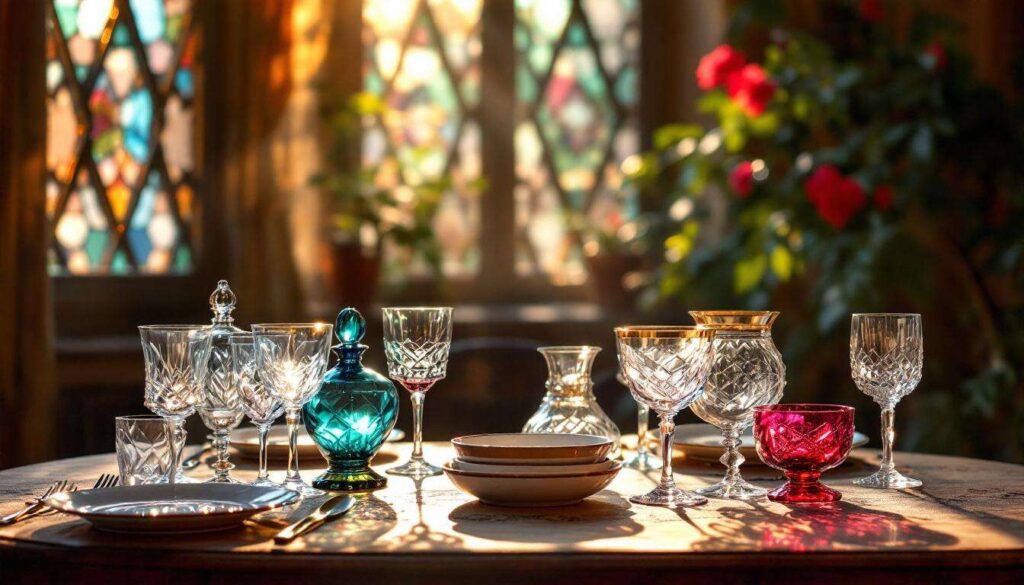
The stained glass trend: a strong comeback
Historical roots meet modern applications
Fluted glass has existed for over a century, originally crafted to provide privacy whilst allowing natural light to filter through spaces. The vertical grooves create a distinctive pattern that diffuses light beautifully, transforming harsh rays into soft, ambient illumination. This technique was particularly popular in early twentieth-century architecture, where it adorned both residential and commercial buildings. Today’s resurgence reflects a growing appreciation for craftsmanship and heritage materials that carry historical significance whilst adapting seamlessly to contemporary design requirements.
Why the timing is perfect
The return of fluted glass coincides with broader cultural shifts in how people approach their homes. After years dominated by minimalist aesthetics and cold, industrial materials, homeowners now crave warmth, texture, and personality in their interiors. The trend towards ‘lived-in’ spaces—environments that feel authentic rather than staged—creates the perfect backdrop for materials like fluted glass. Its ability to add depth and visual interest without overwhelming a space makes it ideal for those seeking balance between sophistication and comfort.
| Era | Primary Use | Design Philosophy |
|---|---|---|
| Early 1900s | Privacy screens, cabinet doors | Functional elegance |
| 2026 | Room dividers, lighting fixtures, furniture accents | Authentic, sustainable design |
This revival demonstrates how design cycles often return to proven materials, reinterpreting them through a contemporary lens that values both aesthetics and environmental responsibility.
Why designers are betting on old glass for 2026
The practical advantages
Designers recommend fluted glass for its versatility and functionality. When used in cabinet doors, it allows homeowners to display items whilst maintaining a sense of order—the grooves obscure clutter without completely hiding contents. This semi-transparent quality proves particularly valuable in smaller spaces where solid doors might feel heavy or oppressive. The material also works exceptionally well in room dividers, creating separation between areas whilst preserving the flow of light throughout open-plan layouts.
- Diffuses natural light beautifully throughout spaces
- Provides privacy without blocking illumination
- Adds textural interest to flat surfaces
- Complements both traditional and contemporary styles
- Requires minimal maintenance compared to other decorative materials
Aesthetic harmony with current colour palettes
The rise of warm, earthy tones in interior design creates an ideal environment for fluted glass. Colours like ‘Mocha Mousse’ and ‘Cloud Dancer’ provide a soft backdrop that enhances the glass’s light-diffusing properties. The vertical grooves cast subtle shadows that change throughout the day, adding dynamic visual interest to spaces painted in these neutral hues. This interplay between material and colour reflects a more nuanced approach to design, where elements work together to create atmosphere rather than competing for attention.
The lived-in aesthetic movement
Fluted glass aligns perfectly with the growing desire for homes that feel genuinely inhabited rather than showroom-perfect. Its textured surface shows fingerprints less obviously than clear glass, making it practical for everyday life. The material’s imperfect light transmission also contributes to this relaxed aesthetic—spaces feel softer and more forgiving, encouraging homeowners to live comfortably rather than constantly maintaining pristine surfaces. This shift represents a fundamental change in how people relate to their interiors, prioritising emotional comfort over visual perfection.
These practical and aesthetic considerations explain why professionals across the design industry are incorporating this material into their projects with increasing frequency.
The varieties of glass to rediscover
Fluted glass characteristics
The defining feature of fluted glass lies in its vertical grooves, which can vary in depth and spacing depending on manufacturing techniques. Shallow grooves create a subtle texture suitable for contemporary minimalist spaces, whilst deeper channels produce more dramatic light effects that suit maximalist or eclectic interiors. The glass itself may be clear, frosted, or tinted, offering further customisation options. Each variation affects how light passes through the material, allowing designers to fine-tune the ambience of a space.
Complementary glass types
Whilst fluted glass leads the current trend, several other textured glass varieties deserve renewed attention:
- Reeded glass: featuring rounded rather than angular grooves for a softer appearance
- Seeded glass: containing deliberate bubbles that create vintage charm
- Ribbed glass: with wider, more pronounced horizontal or vertical lines
- Crackle glass: displaying intentional surface patterns that scatter light
- Hammered glass: offering irregular texture reminiscent of hand-crafted metalwork
Smart glass innovations
Modern technology has enhanced traditional glass types with smart capabilities. Some fluted glass now incorporates electrochromic properties, allowing users to adjust transparency levels electronically. This innovation combines the aesthetic appeal of textured glass with contemporary demands for flexibility and control. Whilst maintaining the characteristic grooved appearance, these advanced versions respond to changing privacy needs throughout the day, representing a perfect marriage of heritage craft and cutting-edge technology.
| Glass Type | Light Diffusion | Best Applications |
|---|---|---|
| Fluted (shallow) | Moderate | Cabinet doors, bathroom screens |
| Fluted (deep) | High | Room dividers, feature walls |
| Reeded | Moderate-high | Shower enclosures, windows |
| Seeded | Low-moderate | Lighting fixtures, decorative panels |
Understanding these variations enables homeowners to select the most appropriate glass type for specific applications within their homes.
How to integrate this trend at home
Kitchen and dining applications
Replacing solid cabinet doors with fluted glass panels transforms kitchen aesthetics whilst maintaining functionality. This approach works particularly well for upper cabinets, where the glass reduces visual weight and allows display of attractive dishware. In dining areas, fluted glass can feature in sideboard doors or as panels in room dividers that separate eating spaces from living areas without creating complete isolation. The material’s ability to catch and reflect candlelight makes it especially effective in spaces designed for entertaining.
Bathroom transformations
Bathrooms benefit enormously from fluted glass installations. Shower enclosures constructed from this material provide privacy without darkness, maintaining the sense of spaciousness crucial in smaller bathrooms. The vertical grooves also complement the linear nature of tiling and fixtures, creating visual coherence. Medicine cabinets with fluted glass doors offer a refined alternative to mirrored versions, softening the overall aesthetic whilst still reflecting light around the space.
- Replace clear shower doors with fluted alternatives
- Install fluted glass panels as window treatments
- Use in vanity cabinet doors for subtle elegance
- Create privacy screens between toilet areas and main bathroom space
Living spaces and bedrooms
In living areas, fluted glass works beautifully in bookcase doors, protecting volumes from dust whilst displaying collections. Freestanding room dividers featuring this glass create flexible spaces in open-plan homes, allowing areas to be redefined as needed. Bedroom applications include wardrobe doors that provide a glimpse of clothing without full exposure, and bedside lighting fixtures where the grooved glass creates atmospheric illumination perfect for relaxation.
Architectural features
More ambitious installations might include interior windows between rooms, bringing natural light into hallways or internal spaces whilst maintaining acoustic separation. Fluted glass can also feature in staircase balustrades, adding safety and visual interest without blocking sightlines. These architectural applications demonstrate the material’s versatility beyond simple cabinet doors, showing how it can fundamentally shape the character of a home.
These practical applications demonstrate that incorporating fluted glass need not involve extensive renovation, making the trend accessible to various budgets and project scales.
Glass and sustainability: a winning duo
Manufacturing improvements
The glass industry has made significant strides in environmental responsibility. Modern production methods consume less energy than historical processes, and many manufacturers now use recycled glass cullet as a primary raw material. Fluted glass production specifically benefits from advances in precision manufacturing that reduce waste during the texturing process. These improvements mean that choosing glass for interior applications supports industries actively working towards sustainability goals.
Longevity and durability
Unlike trendy materials that quickly date, glass offers timeless appeal and exceptional durability. Properly installed fluted glass can last decades without deterioration, eliminating the need for replacement that drives consumption in fast-fashion interior trends. Its resistance to moisture, staining, and fading makes it particularly low-maintenance, requiring only occasional cleaning rather than ongoing treatments or refinishing. This longevity represents genuine sustainability—reducing resource consumption through extended product life.
- Glass is infinitely recyclable without quality loss
- Requires no chemical treatments or finishes
- Does not off-gas volatile organic compounds
- Maintains appearance for decades with minimal care
- Can be repurposed or recycled at end of life
Energy efficiency benefits
Fluted glass’s light-diffusing properties can reduce reliance on artificial lighting during daylight hours. By spreading natural light more evenly throughout spaces, it minimises dark corners that would otherwise require electrical illumination. When used in exterior applications or internal windows, the material maintains thermal performance comparable to standard glass whilst adding aesthetic value. These energy savings, though modest individually, contribute meaningfully to household sustainability when considered over years of use.
The alignment between aesthetic appeal and environmental responsibility makes fluted glass particularly relevant for conscientious homeowners seeking beautiful, sustainable design solutions.
What design experts say about the future
Predictions for continued growth
Industry professionals anticipate that fluted glass will move beyond its current niche status to become a mainstream design element. As more homeowners discover its versatility, demand is expected to drive innovation in finishes, colours, and applications. Experts predict we’ll see coloured fluted glass gaining popularity, adding another dimension to its decorative potential whilst maintaining the characteristic texture that defines the material.
Integration with other trends
The material’s success stems partly from its compatibility with concurrent design movements. The emphasis on textured materials—linen, clay, natural stone—creates environments where fluted glass feels cohesive rather than jarring. Similarly, the trend towards blending modern and retro elements provides perfect context for a material that references historical craft whilst serving contemporary needs. This synergy suggests the trend has genuine staying power rather than representing a fleeting fashion.
Technology and tradition convergence
Designers emphasise that the future lies in respecting traditional materials whilst embracing technological possibilities. Smart glass technologies will likely become more accessible, allowing fluted glass to offer variable privacy and light control. Simultaneously, renewed appreciation for artisanal manufacturing may drive demand for handcrafted versions that showcase individual maker’s skills, creating a market for both mass-produced and bespoke options.
| Aspect | Current State | Predicted Evolution |
|---|---|---|
| Availability | Specialty suppliers | Mainstream retailers |
| Applications | Primarily cabinets | Architectural features, furniture |
| Customisation | Limited options | Extensive colour and texture choices |
| Technology | Traditional only | Smart glass integration |
These expert insights suggest that fluted glass represents more than a temporary trend, instead marking a fundamental shift towards materials that balance beauty, functionality, and sustainability in equal measure.
The resurgence of fluted glass exemplifies how thoughtful design draws from historical precedent whilst addressing contemporary needs. Its practical benefits—light diffusion, privacy, and versatility—combine with aesthetic qualities that complement current colour palettes and material trends. The material’s sustainability credentials and compatibility with both traditional and technological innovations position it as a lasting element in interior design rather than a fleeting fashion. As homeowners increasingly seek authenticity and environmental responsibility in their living spaces, fluted glass offers a compelling solution that honours craftsmanship whilst embracing the future.