



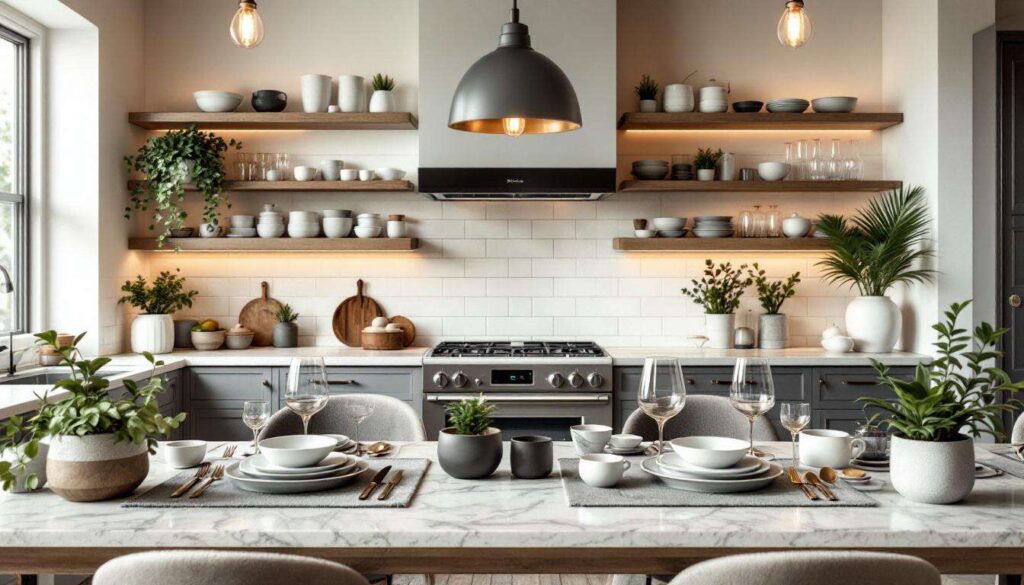
When guests arrive at your home, the kitchen often becomes the natural gathering point where conversations flow and memories are made. Transforming this essential space into a welcoming environment requires thoughtful preparation and strategic adjustments. Interior designers understand that hosting success depends not only on culinary skills but also on creating an atmosphere that puts guests at ease whilst maintaining practical functionality. From lighting choices to spatial arrangements, small changes can dramatically enhance the hosting experience without requiring extensive renovations or significant investment.
Preparing your kitchen for the hosting season
Decluttering and organising essentials
The foundation of a hosting-ready kitchen begins with thorough decluttering. Designers recommend starting this process well before guests arrive, ideally during autumn months. Begin by examining cupboards and pantries, removing expired items and consolidating duplicates. This creates valuable space for entertaining essentials whilst ensuring everything needed is easily accessible.
- Clear worktops of unnecessary appliances and decorative items
- Organise utensils by frequency of use during entertaining
- Create designated zones for serving dishes and glassware
- Establish a logical flow from preparation to serving areas
Equipment readiness and functionality checks
Professional chefs emphasise the importance of testing all appliances before hosting commitments arise. Ovens should be calibrated using a thermometer to ensure accurate temperatures, preventing culinary disasters. Hobs, mixers, and specialised equipment require inspection to guarantee they function properly when needed most.
| Appliance | Check Required | Timing |
|---|---|---|
| Oven | Temperature calibration test | One week before |
| Hob | Burner functionality | One week before |
| Mixer | Speed settings and attachments | Three days before |
| Refrigerator | Temperature and space assessment | One week before |
Beyond functionality, designers suggest investing in quality accessories that streamline cooking processes. Reliable tools reduce stress during busy preparation periods and demonstrate attention to detail that guests appreciate. These preparations naturally lead to considerations about the atmosphere you wish to create.
Designers’ tips for a warm space
Incorporating natural elements
Interior designers frequently turn to natural materials and textures to instantly warm a kitchen environment. Wooden cutting boards displayed on worktops, fresh herbs in terracotta pots, and linen tea towels add organic warmth without cluttering surfaces. These elements serve dual purposes: functional tools and atmospheric enhancers.
Strategic colour and textile choices
Subtle colour adjustments transform kitchen ambience remarkably. Designers recommend introducing warm tones through textiles such as cushions on breakfast bar stools, table runners, or window treatments. These additions soften hard surfaces typical in kitchens whilst maintaining the practical nature of the space.
- Choose washable fabrics in warm neutrals or rich jewel tones
- Layer textures through woven placemats and ceramic serving pieces
- Display seasonal produce in attractive bowls for colour and accessibility
- Incorporate copper or brass accents through utensil holders and hardware
The warmth created through these design choices sets the stage for another crucial element in successful hosting.
Optimising lighting for a convivial effect
Layering light sources effectively
Lighting dramatically influences kitchen atmosphere, and designers emphasise the importance of multiple light sources at varying heights. Overhead lighting alone creates harsh shadows and an institutional feel. Instead, combine ambient, task, and accent lighting to achieve a welcoming glow that flatters both food and guests.
Adjustable lighting solutions
Installing dimmer switches offers flexibility to adjust brightness according to the occasion. Bright lighting suits food preparation, whilst softer illumination encourages lingering conversations over coffee. Designers also recommend under-cabinet lighting that provides task illumination without overwhelming the space.
| Lighting Type | Purpose | Recommended Placement |
|---|---|---|
| Ambient | Overall illumination | Ceiling fixtures with dimmers |
| Task | Preparation areas | Under cabinets, above islands |
| Accent | Atmosphere and focal points | Shelving, artwork, architectural features |
| Decorative | Visual interest | Pendant lights, candles |
Candles and decorative lighting
Nothing creates intimacy quite like candlelight. Designers suggest placing candles at varying heights throughout the kitchen, ensuring they remain safely away from flammable materials. Battery-operated candles offer a practical alternative in busy cooking areas whilst maintaining the warm glow. These lighting strategies work in harmony with spatial arrangements that encourage guest interaction.
Creating cosy corners to welcome guests
Designated gathering zones
Successful kitchen hosting requires intentional spaces where guests can comfortably gather without impeding cooking activities. Designers recommend establishing a distinct area with seating where visitors can enjoy drinks and conversation whilst remaining connected to culinary preparations. This might include bar stools at an island, a small table in a corner, or even a window seat with cushions.
Accessible refreshment stations
Creating a self-service beverage area empowers guests to help themselves, reducing host workload whilst encouraging a relaxed atmosphere. This station should include glassware, ice, various drink options, and attractive serving pieces that complement your kitchen aesthetic.
- Position the station away from main cooking zones to prevent congestion
- Include both alcoholic and non-alcoholic options thoughtfully displayed
- Provide small plates and napkins for impromptu nibbles
- Ensure adequate surface space for guests to prepare their drinks comfortably
These comfortable gathering points complement the broader considerations of kitchen functionality and style.
Designing a functional and stylish kitchen
Balancing aesthetics with practicality
Interior designers stress that beauty should never compromise functionality, particularly in kitchens intended for hosting. Every decorative element should serve a purpose or at minimum avoid hindering workflow. Open shelving displays attractive dishware whilst keeping frequently used items accessible. Magnetic knife strips provide safe storage whilst showcasing quality cutlery.
Strategic storage solutions
Clever storage maintains the visual calm essential for welcoming spaces. Designers recommend concealing everyday clutter in drawers and cupboards, reserving visible surfaces for items that enhance rather than detract from the environment.
| Storage Solution | Items Stored | Visual Impact |
|---|---|---|
| Glass-front cabinets | Coordinated dishware sets | Displays collections attractively |
| Drawer organisers | Utensils and small tools | Maintains clear worktops |
| Pantry systems | Dry goods and supplies | Conceals packaging clutter |
| Open shelving | Cookbooks and serving pieces | Creates personality and accessibility |
These foundational design principles create the perfect canvas for those finishing touches that truly impress.
The art of details to impress your guests
Thoughtful finishing touches
Designers understand that small details create lasting impressions. Fresh flowers in a simple vase, a handwritten menu displayed on a small easel, or quality hand soap at the sink demonstrate consideration that guests notice and appreciate. These touches require minimal investment yet significantly elevate the hosting experience.
Sensory considerations
Beyond visual appeal, successful hosting engages multiple senses. Pleasant background music at conversational volume, subtle scents from simmering spices or fresh herbs, and comfortable room temperature all contribute to guest comfort. Designers recommend avoiding overwhelming fragrances that compete with food aromas.
- Select instrumental music that complements rather than dominates conversation
- Ensure adequate ventilation to manage cooking odours
- Maintain comfortable temperature, accounting for heat from ovens and gathered bodies
- Provide comfortable seating with proper back support for extended gatherings
Personal touches that resonate
The most memorable hosting experiences include personalised elements that reflect your style and consideration for guests. This might include accommodating dietary requirements with clearly labelled dishes, providing recipe cards for particularly popular items, or creating a signature cocktail for the occasion. These thoughtful gestures transform ordinary gatherings into cherished memories.
Preparing your kitchen for hosting requires balancing practical functionality with atmospheric warmth. By implementing strategic decluttering, optimising lighting, creating comfortable gathering spaces, and adding thoughtful details, you transform your kitchen into an inviting environment where guests feel genuinely welcome. These designer-approved adjustments require neither extensive renovations nor significant expenditure, yet they dramatically enhance the hosting experience. Whether accommodating intimate dinners or larger celebrations, these principles ensure your kitchen becomes the heart of memorable gatherings where culinary excellence meets genuine hospitality.