
Living rooms have long served as the heart of the home, where families gather and guests are entertained. Yet the furniture that fills these spaces is far from static. Design preferences shift with cultural movements, technological advances, and changing lifestyles. What was once considered essential can quickly become outdated, and pieces that dominated showrooms just a few years ago may now be relegated to storage or charity shops. Interior designers are reporting a significant transformation in living room aesthetics, with certain once-ubiquitous furniture items now facing obsolescence. The mid-century modern sofa, a staple of contemporary interiors for decades, appears to be losing its grip on popular taste as homeowners seek alternatives that better reflect their individual needs and evolving sensibilities.
The evolution of design trends in 2026
The shift from standardised styles to personal expression
The design landscape has undergone a remarkable transformation as homeowners increasingly reject cookie-cutter aesthetics in favour of spaces that genuinely reflect their personalities. This movement away from standardised furniture represents a fundamental change in how people approach interior design. Rather than purchasing complete room sets or following prescribed style guides, individuals are now curating collections that tell their unique stories.
Designers have observed several key characteristics defining this evolution:
- A rejection of mass-produced furniture that appears in countless homes
- Growing appreciation for pieces with history and provenance
- Increased willingness to mix styles and periods rather than adhering to a single aesthetic
- Preference for furniture that sparks conversation and emotional connection
The resurgence and subsequent decline of nostalgic elements
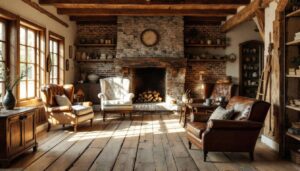
The recent flirtation with grandmotherly decor marked an interesting chapter in design history. Furniture with skirts, ornate detailing, and traditional silhouettes experienced a brief renaissance as homeowners sought comfort and familiarity. However, this trend has proven short-lived, with many now viewing such pieces as overly fussy or impractical for contemporary living. The pendulum has swung towards a more refined approach that honours craftsmanship without sacrificing modern functionality.
This evolution reflects broader cultural shifts towards authenticity and sustainability, setting the stage for understanding why certain furniture types are falling out of favour.
Reasons for the decline of certain furniture
The limitations of mid-century modern design
The mid-century modern sofa, once the undisputed centrepiece of stylish living rooms, is experiencing a dramatic fall from grace. Its clean lines and minimalist profile, whilst visually appealing, often fail to deliver the comfort that modern homeowners prioritise. Many find these pieces better suited to photography than actual daily use, with firm cushions and shallow seats proving impractical for relaxation.
| Furniture Characteristic | Mid-Century Modern | Contemporary Preferences |
|---|---|---|
| Comfort Level | Firm, structured | Plush, inviting |
| Design Philosophy | Form over function | Function with aesthetic appeal |
| Customisation | Limited options | Highly personalised |
| Texture | Smooth, uniform | Rich, varied |
Changing priorities in furniture selection
Several factors have contributed to the decline of previously popular furniture styles. Lifestyle changes have fundamentally altered how people use their living spaces, with increased time spent at home demanding greater comfort and versatility. The rise of remote work has blurred boundaries between different areas of the home, requiring furniture that adapts to multiple purposes throughout the day.
Additional contributing factors include:
- Environmental consciousness driving demand for durable, long-lasting pieces rather than trendy items
- Economic considerations favouring investment in quality over quantity
- Social media influence creating awareness of diverse design possibilities beyond mainstream offerings
- Generational shifts as younger homeowners reject the choices of previous decades
These practical and philosophical considerations have naturally led to a broader reassessment of living room design principles.
The impact of minimalism on the living room
Refined minimalism versus stark austerity
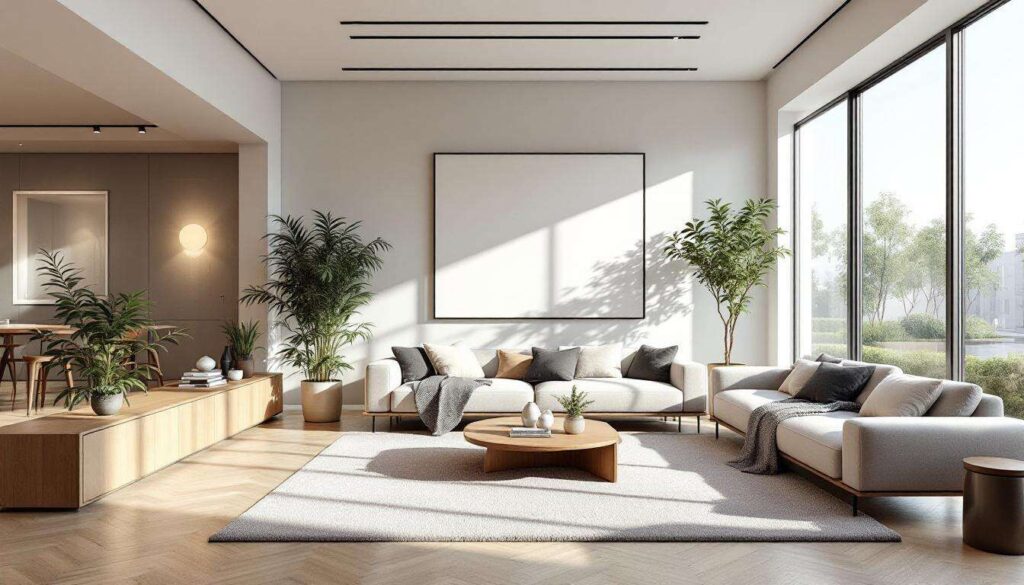
Minimalism continues to influence living room design, though its expression has become more nuanced and sophisticated. The harsh, cold minimalism of previous years, characterised by empty spaces and monochromatic palettes, has given way to a warmer interpretation that embraces carefully selected pieces with character. This evolution recognises that minimalism should enhance life rather than strip it of personality.
Contemporary minimalist living rooms feature fewer items overall, but each piece carries greater significance and visual weight. The emphasis has shifted from elimination to intentional curation, where every object serves a purpose and contributes to the overall atmosphere.
The role of neutral palettes and rich textures
Designers are championing neutral colour schemes that provide a calming backdrop whilst incorporating rich textures to prevent visual monotony. This approach allows for depth and interest without the visual chaos of bold patterns or clashing colours. Natural materials such as linen, wool, leather, and wood bring warmth and tactile appeal to minimalist spaces.
Key elements of this textural approach include:
- Layered fabrics in varying weights and weaves
- Natural wood finishes with visible grain patterns
- Stone or ceramic elements that add organic irregularity
- Metallic accents in brushed or aged finishes rather than high polish
This refined minimalism naturally creates space for furniture that serves multiple purposes and adapts to changing needs.
Modern alternatives for the living room
Comfort-focused seating solutions
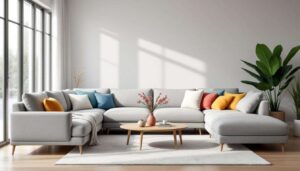
Replacing the rigid mid-century modern sofa are deeply cushioned alternatives that prioritise relaxation without sacrificing style. Modular seating systems have gained popularity, allowing homeowners to reconfigure their living spaces according to different occasions and needs. These pieces often feature generous proportions, soft upholstery, and supportive yet yielding cushions.
Popular alternatives include:
- Oversized sectionals with chaise components for lounging
- Cloud-like sofas with down-filled cushions and low profiles
- Curved designs that soften room geometry and encourage conversation
- Vintage-inspired pieces reupholstered in contemporary fabrics
Statement pieces with personality
Rather than adhering to matching sets, homeowners are investing in individual statement pieces that anchor their living rooms. These might include a sculptural armchair, an antique cabinet, or a bespoke shelving system. The focus has shifted towards quality craftsmanship and unique character rather than conformity to a particular style movement.
This emphasis on distinctive furniture naturally leads to considerations about how pieces can serve multiple functions within the home.
The importance of multifunctionality
Adapting furniture to modern lifestyles
The concept of multifunctional furniture has evolved beyond simple sofa beds and storage ottomans. Contemporary pieces seamlessly transition between different uses throughout the day, supporting work, relaxation, entertaining, and storage needs. This versatility has become essential as homes accommodate increasingly diverse activities within limited square footage.
Effective multifunctional design incorporates:
- Coffee tables that adjust in height for dining or working
- Seating with integrated storage compartments
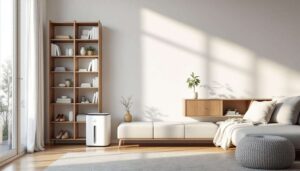
- Shelving systems that display objects whilst concealing clutter
- Furniture on casters that can be easily repositioned
The dopamine decor philosophy
The emerging dopamine decor movement prioritises furniture and arrangements that genuinely enhance well-being and spark joy. This approach encourages homeowners to select pieces based on how they make them feel rather than adherence to design rules or trends. Furniture that supports comfort, creativity, and connection naturally aligns with this philosophy, whilst purely aesthetic choices fall away.
This focus on emotional resonance and practical utility connects directly to questions about preserving elements from the past.
The future of vintage furniture in the living room
Selective incorporation of antique pieces
Vintage furniture maintains relevance when chosen for quality and character rather than trend-following. Antique pieces that demonstrate superior craftsmanship, interesting provenance, or exceptional design continue to find homes in contemporary living rooms. However, the approach has become more selective, with homeowners choosing one or two meaningful vintage items rather than attempting to recreate period rooms.
Successful vintage integration requires:
- Careful consideration of scale and proportion within modern spaces
- Willingness to adapt pieces through reupholstery or refinishing
- Balancing old and new elements to avoid museum-like atmospheres
- Focusing on functionality alongside aesthetic appeal
Gallery walls as personal narratives
Whilst not furniture per se, the evolution of gallery walls reflects broader changes in living room design. These carefully curated collections have moved beyond simple decoration to become personal narratives that express individual histories and values. The thoughtful arrangement of art, photographs, and objects creates visual interest whilst maintaining the cleaner lines favoured in contemporary spaces.
Living room design continues to evolve as homeowners prioritise comfort, individuality, and practical functionality over adherence to established trends. The decline of once-popular pieces like mid-century modern sofas signals a broader shift towards furniture that genuinely serves daily life whilst reflecting personal taste. As minimalism becomes more refined and multifunctionality gains importance, the emphasis falls on quality materials, rich textures, and pieces that foster well-being. The future belongs to living rooms that tell authentic stories through carefully selected furniture, where vintage elements coexist with modern innovations and every item earns its place through both beauty and purpose.