
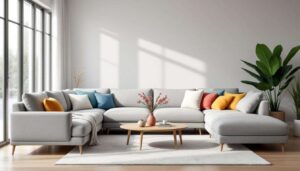
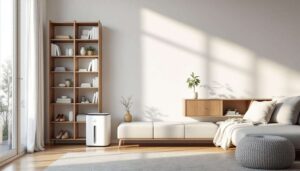

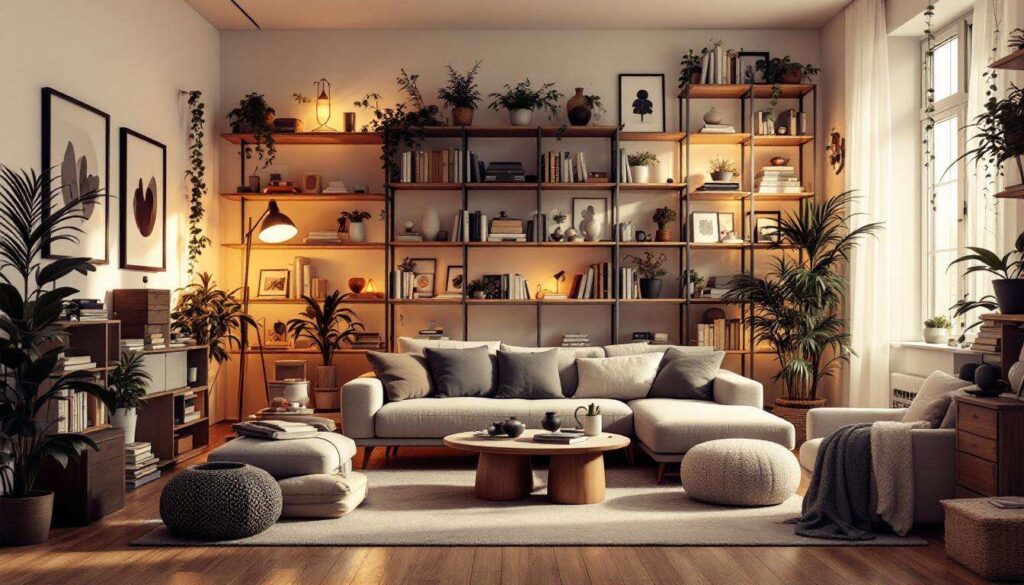
Many homeowners struggle with rooms that feel smaller than they actually are, even when the square footage suggests otherwise. The culprit often lies not in the physical dimensions but in the design choices made throughout the space. Interior designers have identified specific elements that consistently contribute to a cramped atmosphere, and understanding these pitfalls can help transform even modest rooms into open, breathable environments. From furniture selection to decorative choices, seemingly minor decisions can have a significant impact on how spacious a home feels.
Oversized Furniture
The Problem with Disproportionate Pieces
Selecting furniture that’s too large for a room remains one of the most common mistakes homeowners make. A three-seater sofa that dominates a small lounge or an oversized dining table that leaves barely any walking space can make movement feel restrictive and the entire area appear cluttered. Designers emphasise that proportion is paramount when choosing furniture, as pieces should complement rather than overwhelm the available space.
Solutions for Better Proportions
To address this issue, consider the following approaches:
- Measure your room carefully before purchasing any furniture
- Leave adequate circulation space around each piece, ideally 60-90 centimetres
- Opt for streamlined designs with exposed legs that create visual lightness
- Choose modular furniture that can be reconfigured as needed
- Consider armless chairs or loveseats instead of bulky armchairs
Designers also recommend scaling down strategically, selecting a two-seater sofa instead of a three-seater, or choosing a round dining table rather than a rectangular one to improve flow. These adjustments can dramatically enhance the sense of openness whilst maintaining functionality.
Beyond furniture size, the strategic placement of these pieces plays an equally important role in how light interacts with your space.
Dark Window Treatments
How Heavy Curtains Diminish Space
Window treatments in dark colours or heavy fabrics can significantly reduce the amount of natural light entering a room, creating a cave-like atmosphere that feels confined and unwelcoming. Light is one of the most powerful tools for making spaces feel larger, and blocking it with dense, dark curtains works directly against this principle. Navy, charcoal, or chocolate-brown drapes may seem sophisticated, but they absorb rather than reflect light, making walls appear closer together.
Lighter Alternatives for Openness
| Treatment Type | Light Transmission | Spatial Impact |
|---|---|---|
| Heavy velvet curtains | 10-20% | Significantly reduces perceived space |
| Medium-weight linen | 40-50% | Moderate openness |
| Sheer voile panels | 70-80% | Maximises brightness and spaciousness |
| Light-filtering blinds | 60-70% | Balances privacy with openness |
Designers recommend sheer or semi-sheer fabrics in white, cream, or pale neutral tones that allow sunlight to filter through whilst still providing privacy. Alternatively, consider roller blinds in light colours or wooden shutters that can be adjusted to control light levels without completely blocking natural illumination.
Just as window treatments affect light distribution, the arrangement of decorative objects throughout your home influences visual clarity.
Cluster of Knick-Knacks
The Visual Chaos of Too Many Accessories
Collections of small decorative items scattered across shelves, mantels, and surfaces create visual noise that makes rooms feel busy and confined. Each trinket, photograph frame, or souvenir demands attention from the eye, preventing it from resting and making the space feel chaotic. Designers observe that whilst personal touches add character, an overabundance of knick-knacks fragments the visual field and diminishes the sense of calm spaciousness.
Embracing Thoughtful Curation
A more restrained approach to decorative objects can transform a room:
- Apply the “less is more” principle by displaying only your most meaningful items
- Group similar objects together rather than scattering them throughout
- Rotate decorative pieces seasonally to keep displays fresh without overcrowding
- Leave negative space on shelves and surfaces to allow the eye to rest
- Choose one statement piece rather than multiple smaller items
Designers suggest that each displayed object should earn its place through either aesthetic value or personal significance. This curation process not only declutters visually but also makes the items you do display more impactful and appreciated.
Whilst reducing surface clutter helps, the vertical dimension of your furniture choices also affects spatial perception.
Low-Profile Furniture
When Low Seating Backfires
Low-profile furniture has gained popularity for its sleek, contemporary aesthetic, but it can inadvertently make ceilings appear lower and rooms feel more compressed. Furniture that sits close to the ground creates a horizontal emphasis that draws the eye downward rather than encouraging it to appreciate the full height of a room. This effect is particularly pronounced in spaces with already modest ceiling heights.
Creating Vertical Interest
To counteract this compression effect, consider furniture with greater vertical presence:
- Select sofas and chairs with taller backs that draw the eye upward
- Choose beds with headboards that extend toward the ceiling
- Incorporate tall bookcases or shelving units that emphasise height
- Opt for dining chairs with higher backs rather than low stools
- Add floor-to-ceiling curtains even if windows don’t extend that high
Vertical lines and elevated furniture pieces create an illusion of height that makes rooms feel more expansive and less cramped. This doesn’t mean every piece must be tall, but a balanced mix that includes some vertical elements will enhance the overall sense of space.
Interestingly, whilst low furniture compresses space, items that are too small present their own spatial challenges.
Small-Scale Items
The Paradox of Tiny Furnishings
It might seem counterintuitive, but filling a room with numerous small-scale items can actually make it feel more cramped than using fewer, larger pieces. Multiple small objects create visual fragmentation that prevents the eye from moving smoothly through a space. A room filled with petite side tables, diminutive lamps, and undersized artwork appears cluttered and disjointed rather than spacious.
Strategic Scaling for Impact
| Room Element | Small-Scale Approach | Better Alternative |
|---|---|---|
| Wall art | Gallery wall of 15 small frames | One or two large statement pieces |
| Lighting | Multiple tiny table lamps | One substantial floor lamp |
| Storage | Several small baskets | One large storage ottoman |
| Rugs | Small accent rugs | One appropriately sized area rug |
Designers recommend choosing appropriately scaled pieces that make bold statements rather than timid suggestions. A substantial piece of artwork, a generous rug that anchors the seating area, or a statement light fixture commands attention and creates focal points that organise the visual space. Additionally, multifunctional furniture that combines storage with seating or surface area maximises utility without adding clutter.
Understanding how scale, proportion, light, and arrangement work together provides the foundation for creating genuinely spacious-feeling interiors.
Transforming a cramped-feeling home into an open, welcoming environment requires attention to these five key elements. By selecting appropriately proportioned furniture, embracing light-enhancing window treatments, curating decorative objects thoughtfully, incorporating vertical interest, and choosing well-scaled pieces, any space can feel more generous. The perception of spaciousness stems not from square footage alone but from deliberate design choices that allow rooms to breathe. Evaluating your current space through this lens and making strategic adjustments can yield remarkable improvements in how comfortable and expansive your home feels.