


Kitchen design has undergone a remarkable transformation, with professionals now championing a softer, more inviting approach that challenges the traditional sterile aesthetic. The ‘soft kitchen’ movement represents a fundamental shift in how we perceive and utilise one of the home’s most important spaces, prioritising warmth, comfort and versatility over purely functional considerations. This design philosophy recognises that kitchens have evolved beyond mere cooking zones to become genuine living spaces where families gather, work and relax.
What is a soft kitchen ?
Defining the concept
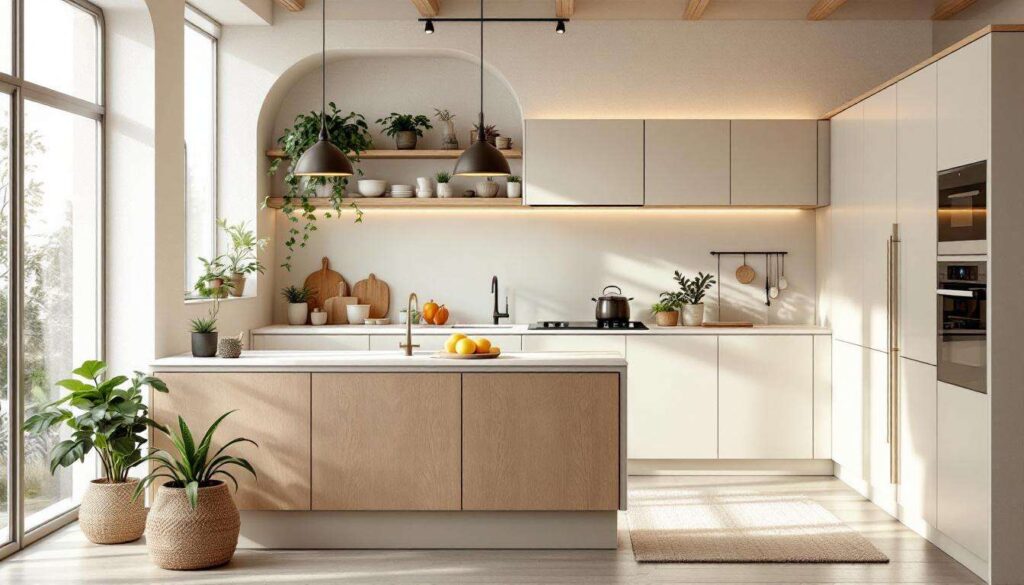
A soft kitchen embraces gentle aesthetics and tactile materials to create a space that feels welcoming rather than clinical. Unlike conventional kitchens dominated by hard surfaces, sharp angles and cool tones, this approach incorporates rounded edges, warm colour palettes and natural textures that soften the overall atmosphere. The philosophy centres on blurring the boundaries between kitchen and living areas, ensuring the space feels cohesive with the rest of the home.
Core characteristics
Several distinctive features define the soft kitchen approach:
- Curved cabinetry and rounded countertop edges that eliminate harsh lines
- Warm, muted colour schemes featuring pastels, creams and earthy tones
- Integration of textiles such as curtains, cushions and table linens
- Natural materials including wood, stone and organic fabrics
- Layered lighting that creates ambient warmth rather than stark illumination
This design strategy fundamentally reimagines the kitchen as a multifunctional sanctuary where aesthetics and practicality coexist harmoniously. The soft kitchen naturally leads to considering the tangible advantages this approach offers homeowners.
The benefits of a soft kitchen for your space
Enhanced comfort and wellbeing
The psychological impact of a soft kitchen cannot be overstated. By incorporating calming colours and comfortable textures, these spaces promote relaxation and reduce stress levels. The absence of harsh materials and aggressive angles creates an environment where family members naturally gravitate, encouraging quality time together rather than quick, functional interactions.
Increased versatility
Soft kitchens excel at accommodating multiple activities simultaneously. The flexible design approach allows these spaces to function as:
- Dining areas for family meals and entertaining guests
- Homework stations for children requiring supervision
- Home offices for remote working arrangements
- Social hubs for casual gatherings and conversations
Improved property appeal
| Design Feature | Impact on Value | Buyer Appeal |
|---|---|---|
| Soft colour palette | Moderate increase | Broad demographic appeal |
| Open-plan integration | Significant increase | Modern lifestyle alignment |
| Quality natural materials | High increase | Longevity perception |
These advantages demonstrate why soft kitchens represent sound investments, but understanding the benefits naturally raises questions about practical implementation.
How to embrace the soft kitchen style at home
Starting with cabinetry choices
Cabinet selection forms the foundation of any soft kitchen transformation. Opt for handleless designs with push-to-open mechanisms or choose rounded handles in brushed brass or matte finishes. Shaker-style doors in muted tones provide timeless appeal, whilst curved corner units eliminate sharp edges. Consider open shelving sections to display ceramics and glassware, adding personality whilst maintaining the soft aesthetic.
Selecting appropriate surfaces
Countertops and backsplashes significantly influence the overall atmosphere. Materials to consider include:
- Warm-toned wood or bamboo for natural character
- Soft-veined marble or quartz in cream or beige
- Terrazzo with subtle colour variations
- Textured tiles in gentle, organic patterns
Incorporating soft furnishings
Textiles introduce immediate warmth and comfort. Add upholstered seating at breakfast bars or dining tables, hang linen curtains at windows, and place washable rugs in high-traffic areas. These elements absorb sound, reducing the echo common in hard-surfaced kitchens whilst contributing visual softness. Understanding these foundational elements provides the framework for exploring colour and texture in greater depth.
Playing with colours and textures for a warm ambience
Choosing your colour palette
The soft kitchen thrives on carefully curated colour combinations that promote tranquillity. Base colours should establish the foundation, with accent shades adding interest without overwhelming the senses. Popular combinations include:
- Sage green paired with warm cream and natural wood
- Soft grey complemented by blush pink and brass accents
- Warm white enhanced with terracotta and natural stone
- Muted blue combined with sandy beige and copper details
Layering textures effectively
Texture creates visual and tactile interest without relying on bold colours. Combine smooth cabinetry with rough-hewn wooden beams, pair glossy tiles with matte paint finishes, and contrast sleek appliances with woven baskets. This layering approach adds depth and sophistication whilst maintaining the gentle aesthetic central to the soft kitchen philosophy.
Strategic use of pattern
Whilst soft kitchens favour subtlety, gentle patterns can enhance visual appeal. Consider delicate geometric tiles, subtle wood grain variations, or organic stone veining. These patterns should complement rather than dominate, contributing to the overall sense of calm. With colour and texture established, attention turns to creating dedicated comfortable zones within the space.
Creating cosy corners in your kitchen
Designing intimate seating areas
Even modest kitchens can accommodate small seating nooks that encourage relaxation. A window seat with plump cushions, a corner banquette with soft upholstery, or a small armchair positioned near natural light transforms unused spaces into inviting retreats. These areas serve multiple purposes, from morning coffee spots to reading corners during meal preparation.
Establishing zones for different activities
Successful soft kitchens incorporate distinct areas for various functions:
- A beverage station with comfortable seating for morning routines
- A homework or laptop corner with adequate lighting and storage
- A casual dining spot separate from formal eating areas
- A display zone for cookbooks, plants and decorative objects
Enhancing comfort through lighting
Layered lighting proves essential for creating cosy atmospheres. Combine ambient ceiling fixtures with task lighting over work surfaces and accent lighting in display areas. Dimmer switches allow adjustment throughout the day, whilst warm-toned bulbs maintain the gentle aesthetic. Table lamps and pendant lights with fabric shades contribute softness whilst providing functional illumination. These practical considerations naturally lead to exploring emerging trends shaping the soft kitchen movement.
Soft kitchen trends to watch for in 2025
Sustainable material choices
Environmental consciousness increasingly influences design decisions. Eco-friendly materials such as reclaimed wood, recycled glass surfaces and low-VOC paints align perfectly with soft kitchen aesthetics whilst supporting sustainable living. Energy-efficient appliances in muted finishes integrate seamlessly, proving that environmental responsibility and beautiful design complement each other.
Technology integration with discretion
Smart kitchen technology continues advancing, but soft kitchen design prioritises subtle integration. Appliances hide behind matching cabinetry panels, charging stations conceal within drawers, and voice-activated systems operate invisibly. This approach ensures technology enhances functionality without disrupting the calm, organic aesthetic.
Biophilic design elements
The connection between nature and wellbeing drives the incorporation of living elements:
- Herb gardens integrated into windowsills or vertical planters
- Natural ventilation maximised through thoughtful window placement
- Water features providing gentle ambient sound
- Natural materials showcasing organic imperfections and variations
These trends demonstrate that soft kitchens represent far more than passing fashion, instead reflecting fundamental shifts in how we conceptualise domestic spaces and prioritise comfort alongside functionality.
The soft kitchen movement represents a thoughtful response to evolving lifestyle needs, recognising that kitchens serve as genuine living spaces rather than purely functional zones. By embracing warm colours, natural textures, rounded forms and comfortable furnishings, homeowners create environments that nurture wellbeing whilst accommodating diverse activities. The approach proves remarkably adaptable, working equally well in compact urban flats and spacious family homes. As design continues evolving, the principles underlying soft kitchens will likely endure, reflecting our fundamental desire for spaces that feel welcoming, versatile and genuinely comfortable.