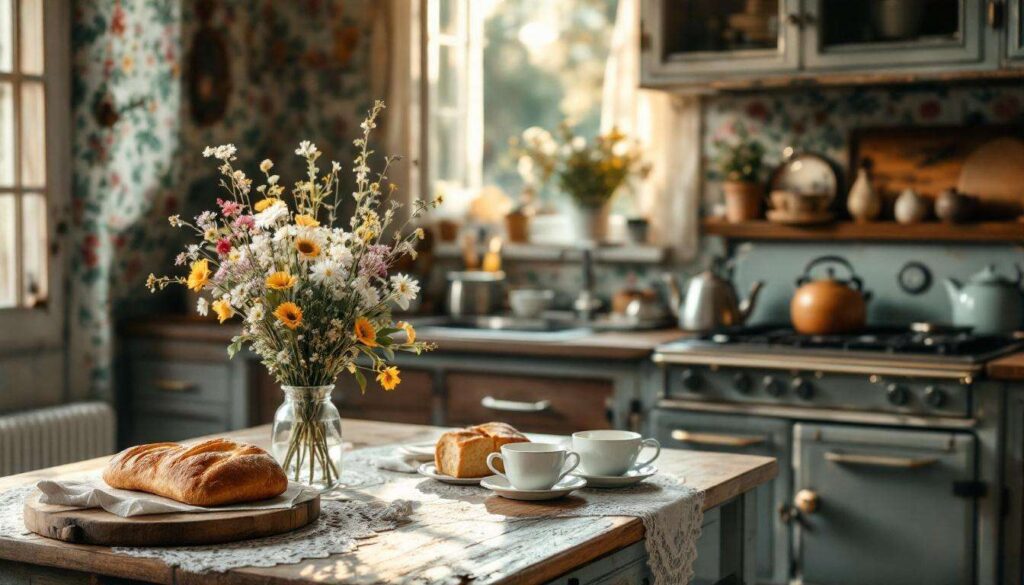
Walking into a kitchen filled with familiar colours, patterns and textures can instantly transport you to cherished moments spent in your grandmother’s home. The resurgence of nostalgic design elements reflects a growing desire to reconnect with the warmth and authenticity of traditional cooking spaces. These seven details blend vintage charm with contemporary functionality, proving that timeless style never truly fades.
The return of chequered tiles
A classic floor pattern with enduring appeal
Chequered tiles have long been synonymous with traditional kitchen design, offering a bold geometric statement that instantly catches the eye. The alternating black and white squares create a visual rhythm that anchors the entire space, providing a foundation upon which other design elements can build. This pattern works equally well in compact galley kitchens and expansive open-plan layouts, adapting seamlessly to various architectural styles.
Modern interpretations of a vintage staple
Contemporary designers have embraced chequered tiles whilst introducing fresh variations that respect the original aesthetic. Beyond the classic monochrome palette, homeowners now explore:
- Soft grey and cream combinations for a gentler contrast
- Navy and white pairings that evoke coastal charm
- Terracotta and ivory arrangements for Mediterranean warmth
- Smaller scale patterns for subtle visual interest
The durability of ceramic and porcelain tiles makes them practical for high-traffic kitchen areas, whilst their easy maintenance ensures they remain looking pristine for years. This combination of aesthetic appeal and functional benefits explains why chequered floors continue to feature prominently in kitchen renovations. The geometric precision of these tiles naturally leads to consideration of other colour elements that defined grandmother’s kitchen.
The warmth of jadeite tones
The distinctive green that defined an era
Jadeite, with its characteristic soft green hue, became a defining colour of mid-century kitchens. This pale, milky green appeared on everything from mixing bowls to storage containers, creating a cohesive visual language that spoke of optimism and domesticity. The colour’s gentle nature provides a soothing backdrop that never overwhelms, making it ideal for spaces where families gather and meals are prepared.
Incorporating jadeite into contemporary kitchens
Modern kitchen designers have rediscovered the versatility of jadeite tones, applying them in innovative ways:
| Application | Effect | Maintenance Level |
|---|---|---|
| Cabinet paint | Creates cohesive vintage atmosphere | Moderate |
| Splashback tiles | Adds colour without overwhelming | Low |
| Small appliances | Provides accent points | Low |
| Crockery displays | Introduces subtle colour variation | Low |
The calming psychological effect of green tones makes jadeite particularly appealing in kitchens, where the atmosphere should encourage both productivity and relaxation. Whether used as a dominant colour or subtle accent, jadeite brings an unmistakable vintage character whilst remaining surprisingly compatible with contemporary design schemes. This gentle colour palette pairs beautifully with the next element that illuminated countless family meals.
Timeless enamel pendants
Functional lighting with vintage character
Enamel pendant lights, with their distinctive conical or dome shapes, provided essential task lighting in traditional kitchens whilst adding architectural interest. The glossy finish reflects light beautifully, creating a warm glow that enhances the welcoming atmosphere. These fixtures typically featured simple, unfussy designs that prioritised function without sacrificing aesthetic appeal.
Contemporary applications of classic designs
Modern manufacturers have embraced enamel pendants, offering variations that suit diverse kitchen styles. The appeal lies in several factors:
- Adjustable hanging heights accommodate various ceiling configurations
- Multiple colour options allow personalisation whilst maintaining vintage character
- Durable enamel coating resists kitchen moisture and grease
- Compatible with energy-efficient LED bulbs for sustainable operation
- Available in single units or clustered arrangements for scalable lighting solutions
The focused downward light makes enamel pendants particularly effective above kitchen islands, dining tables and preparation areas. Their industrial heritage lends authenticity to farmhouse and cottage-style kitchens, whilst their clean lines work equally well in more contemporary settings. These lighting fixtures naturally draw attention to the cabinetry beneath them, which brings us to another distinctive vintage feature.
Vintage two-tone cabinets
Creating visual interest through colour contrast
Two-tone cabinetry was a practical and aesthetic choice in traditional kitchens, often featuring darker lower cabinets paired with lighter upper units. This arrangement created visual balance whilst addressing practical concerns about visible wear on base cabinets. The contrast prevented kitchens from feeling monotonous whilst maintaining a cohesive overall design.
Modern interpretations of the two-tone approach
Contemporary kitchen designers have expanded upon this concept, exploring combinations that respect vintage sensibilities whilst embracing current trends:
| Upper Cabinets | Lower Cabinets | Style Effect |
|---|---|---|
| Cream or white | Deep navy or forest green | Classic sophistication |
| Soft sage | Natural wood tone | Organic warmth |
| Pale grey | Charcoal or black | Contemporary edge |
| Butter yellow | Vintage blue | Cheerful nostalgia |
The strategic use of colour can alter perceived room proportions, with darker lower cabinets grounding the space and lighter upper units maintaining airiness. This approach also allows homeowners to introduce bolder colours in measured doses, reducing the risk of overwhelming the space. The vertical surfaces of these cabinets provide an ideal backdrop for displaying another cherished kitchen element.
The art of hanging plate racks
Practical storage meets decorative display
Plate racks served a dual purpose in traditional kitchens, providing convenient storage whilst showcasing treasured crockery. These wooden or metal structures allowed plates to air-dry naturally after washing, eliminating the need for towel drying. The vertical arrangement maximised wall space, keeping frequently used items within easy reach whilst creating an attractive visual display.
Styling plate racks for contemporary kitchens
Modern homeowners appreciate plate racks for their ability to add personality and functionality. Successful implementation involves several considerations:
- Selecting crockery with complementary colours and patterns for visual cohesion
- Mixing vintage and contemporary pieces for layered interest
- Positioning racks at comfortable heights for daily access
- Coordinating rack finish with other kitchen hardware
- Balancing displayed items with empty space to prevent cluttered appearance
The open display format encourages thoughtful curation, transforming everyday objects into decorative elements. Plate racks work particularly well in cottage-style and country kitchens, though their clean lines adapt surprisingly well to more minimalist settings when styled appropriately. The warm metallic tones often found in plate rack construction connect naturally to our next nostalgic element.
Copper kitchen accessories
The enduring appeal of warm metallics
Copper has graced kitchens for centuries, valued for its excellent heat conductivity and distinctive warm lustre. Traditional kitchens featured copper pots, kettles and moulds that developed a rich patina over time, telling stories of countless meals prepared. The living finish of copper means it continues evolving, creating a sense of history and connection to past generations.
Incorporating copper in modern kitchen design
Contemporary kitchens embrace copper through various applications that balance vintage charm with current aesthetics:
| Element | Visual Impact | Practical Benefit |
|---|---|---|
| Cookware | High | Superior heat distribution |
| Tap fittings | Medium | Antimicrobial properties |
| Cabinet handles | Medium | Durable and tactile |
| Pendant lights | High | Warm light reflection |
| Utensil holders | Low | Decorative storage |
The warm metallic tone of copper complements both cool and warm colour palettes, making it remarkably versatile. Unlike stainless steel’s clinical appearance, copper introduces organic warmth that softens contemporary kitchen designs. Whether polished to a brilliant shine or allowed to develop natural patina, copper accessories create focal points that draw the eye and spark conversation.
These seven nostalgic details demonstrate how traditional kitchen elements continue to resonate with contemporary homeowners. By thoughtfully incorporating chequered tiles, jadeite tones, enamel pendants, two-tone cabinets, plate racks and copper accessories, modern kitchens can capture the essence of grandmother’s welcoming cooking space whilst meeting current functional requirements. The enduring appeal of these features lies in their ability to create environments that feel both familiar and fresh, proving that good design transcends temporal boundaries.