
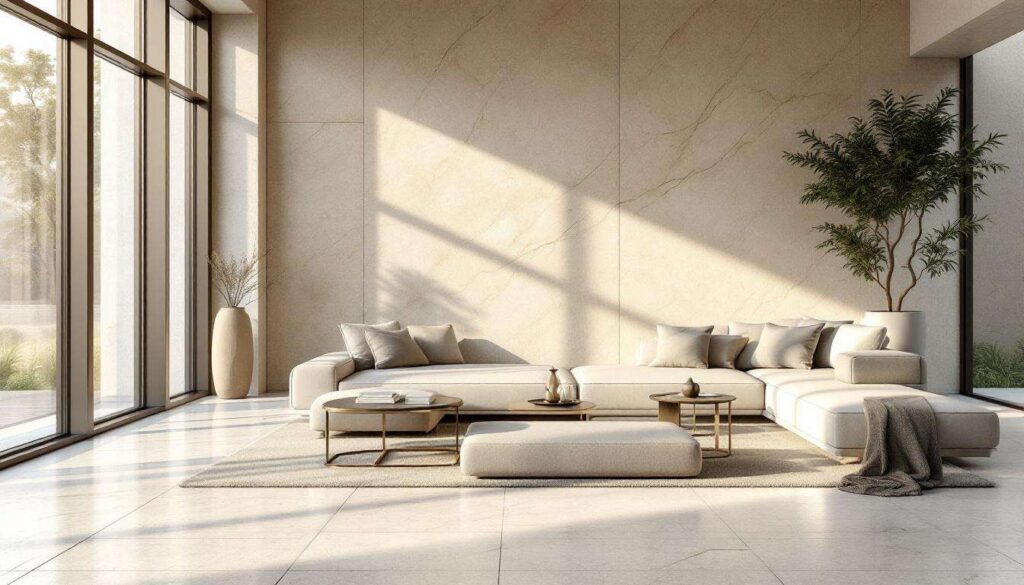
Natural stone has long held a place of reverence in architecture and interior design, yet few materials manage to bridge the gap between ancient heritage and contemporary aesthetics quite like travertine. This sedimentary rock, formed over millennia through mineral deposits, offers a unique combination of organic texture and refined simplicity that resonates deeply with minimalist principles. Its subtle colour palette, inherent warmth, and understated elegance make it a material of choice for designers seeking to create spaces that breathe tranquillity without sacrificing visual interest. As the appetite for pared-back interiors continues to grow, travertine emerges not merely as a trend but as a foundational element capable of transforming the mundane into the exceptional.
The timeless appeal of travertine in modern design
A material rooted in history
Travertine’s architectural pedigree stretches back thousands of years, with ancient civilisations employing it in structures that still stand today. This historical significance lends the stone an inherent gravitas, yet its appearance remains remarkably contemporary. The natural pitting, veining, and variation found within each piece create a sense of authenticity that mass-produced materials simply cannot replicate. In an era where consumers increasingly value craftsmanship and provenance, travertine offers a tangible connection to geological processes spanning aeons.
Neutral tones that enhance versatility
The colour spectrum of travertine ranges from creamy ivories to warm beiges and soft greys, providing a neutral foundation that complements virtually any design scheme. These earthy hues possess an innate warmth that prevents minimalist spaces from feeling cold or clinical. The stone’s ability to adapt to different lighting conditions further enhances its versatility, appearing softer in natural daylight and more dramatic under artificial illumination. This chameleon-like quality makes travertine suitable for:
- Open-plan living areas requiring visual cohesion
- Transitional spaces connecting indoor and outdoor environments
- Feature walls demanding subtle texture without overwhelming colour
- Flooring solutions that unify multiple rooms
Texture that invites tactile engagement
Unlike polished marble or sleek porcelain, travertine presents a surface that invites touch. The natural imperfections characteristic of tumbled or honed finishes create visual depth whilst maintaining a sense of restraint. This textural quality proves particularly valuable in minimalist design, where the absence of decorative clutter necessitates materials capable of providing interest through inherent properties rather than applied ornamentation. The interplay between smooth areas and irregular pitting generates shadow and light variations that shift throughout the day, ensuring spaces remain dynamic despite their simplicity.
Understanding these fundamental qualities sets the stage for exploring why this particular stone resonates so profoundly with those who embrace minimalist philosophy.
Why travertine attracts minimalists
Alignment with core minimalist principles
Minimalism prioritises quality over quantity, intentionality over excess, and materials that serve multiple purposes without demanding constant attention. Travertine satisfies these criteria admirably. Its natural beauty requires no embellishment, its durability ensures longevity, and its subtle variations provide visual interest without creating visual noise. The stone’s honest expression of its geological origins aligns perfectly with minimalist values of authenticity and transparency in material selection.
Creating spatial perception through colour and format
Light-toned travertine possesses a remarkable ability to enhance the perception of space, a critical consideration in minimalist design where every element must contribute to an atmosphere of openness and calm. Pale varieties reflect available light, brightening rooms and creating an airy ambience that expands visual boundaries. When installed in large-format tiles, the reduction in grout lines allows the eye to travel uninterrupted across surfaces, further amplifying the sense of spaciousness. This technique proves particularly effective in:
- Compact urban flats requiring visual expansion
- Basement conversions with limited natural light
- Narrow hallways benefiting from unbroken sightlines
- Monochromatic schemes demanding subtle textural variation
Sustainable credentials and longevity
Minimalism often intersects with environmental consciousness, favouring materials that endure rather than require frequent replacement. Travertine, when properly maintained, can last generations, making it an investment in permanence rather than a disposable design choice. Its natural composition and relatively low processing requirements compared to engineered alternatives appeal to those seeking to reduce their environmental footprint. The stone’s thermal properties also contribute to energy efficiency, remaining cool underfoot in warm climates and retaining heat when combined with underfloor heating systems.
These philosophical and practical alignments explain travertine’s popularity amongst minimalists, but application requires careful consideration of specific spaces and their unique demands.
How to incorporate travertine in your kitchen
Worktops that balance beauty and function
Kitchen worktops endure considerable wear, demanding materials that combine aesthetic appeal with practical resilience. Travertine worktops offer a sophisticated alternative to ubiquitous granite or quartz, bringing warmth to what can otherwise be a utilitarian space. The stone’s natural variation ensures each installation is unique, whilst its neutral palette provides a calming backdrop for food preparation. However, the porous nature of travertine necessitates regular sealing to protect against staining from acidic substances like lemon juice or wine. When properly treated and maintained, these surfaces develop a lived-in patina that enhances character over time.
Flooring for continuity and comfort
Extending travertine from kitchen floors into adjacent living areas creates visual continuity that enlarges perceived space, a technique particularly valuable in open-plan layouts. The stone’s natural slip resistance makes it safer than polished alternatives, especially in areas prone to spills. Large-format tiles minimise grout lines, simplifying cleaning whilst maintaining the uncluttered aesthetic minimalists favour. Consider these installation approaches:
- Running tiles in the same direction throughout connected spaces
- Selecting honed finishes for subtle sheen without excessive gloss
- Incorporating underfloor heating to counteract the stone’s natural coolness
- Choosing filled travertine for easier maintenance in high-traffic areas
Backsplashes and feature walls
A travertine backsplash introduces textural interest behind cooking zones without overwhelming minimal cabinetry. Subway-style layouts in travertine offer a contemporary twist on a classic format, whilst larger tiles create a more dramatic, seamless appearance. The stone’s heat resistance makes it suitable for areas behind hobs, though protective sealing remains essential. Feature walls incorporating travertine can delineate dining zones within open kitchens, providing architectural definition without physical barriers.
The principles applied in kitchens translate effectively to other wet areas, particularly bathrooms where travertine’s properties offer distinct advantages.
Travertine in the bathroom: a wise choice
Creating spa-like serenity
Bathrooms designed with minimalist principles aim to evoke tranquillity and relaxation, qualities that travertine naturally enhances. The stone’s warm tones and organic texture transform functional bathrooms into spa-like retreats. Wall cladding in travertine establishes a cocoon-like atmosphere, particularly effective when extended from floor to ceiling in wet rooms or shower enclosures. The material’s inherent variation prevents monotony even in monochromatic schemes, providing visual interest through natural patterning rather than decorative tiles.
Practical considerations for wet environments
Whilst travertine excels aesthetically in bathrooms, its porous structure requires diligent sealing to prevent water absorption and potential staining. Modern sealants have significantly improved performance, offering protection without altering the stone’s natural appearance. The material’s natural slip resistance proves advantageous for shower floors and bathroom flooring, though textured finishes enhance safety further. Key maintenance practices include:
- Resealing surfaces annually or as recommended by suppliers
- Wiping down shower walls after use to prevent limescale buildup
- Using pH-neutral cleaning products to avoid etching
- Ensuring adequate ventilation to manage moisture levels
Vanities and storage integration
Travertine vanity tops provide a luxurious focal point in minimalist bathrooms, particularly when paired with undermount basins that showcase the stone’s edge detail. Integrated sinks carved from single travertine blocks eliminate visual breaks, creating seamless surfaces that epitomise minimalist ideals. Floating vanities in travertine-clad cabinetry maintain spatial flow whilst offering necessary storage, their suspended installation enhancing the sense of lightness essential to minimalist design.
Beyond fixed installations, travertine’s application extends to furnishings that anchor minimalist interiors with natural elegance.
Travertine furniture for a minimalist interior
Coffee tables and console pieces
Furniture crafted from travertine introduces sculptural presence without decorative excess. Coffee tables with travertine tops or bases provide substantial focal points that ground seating arrangements, their natural weight conveying permanence and quality. The stone’s neutral palette ensures compatibility with various upholstery colours and textures, whilst its surface variations prevent the sterility sometimes associated with minimalist spaces. Console tables in travertine offer functional surfaces for entryways or behind sofas, their architectural simplicity complementing rather than competing with surrounding elements.
Dining tables that make statements
A travertine dining table represents a significant investment, both financially and aesthetically. These pieces become generational heirlooms, their durability ensuring they outlast trends. The stone’s thermal properties keep surfaces pleasantly cool, advantageous during summer dining, though placemats protect against temperature shock from hot dishes. Large slabs showcase the material’s full beauty, with book-matched pieces creating symmetrical patterns that satisfy minimalist appreciation for order and balance. Consider these design approaches:
- Pairing travertine tops with minimalist metal or wood bases
- Selecting unfilled travertine for maximum textural impact
- Incorporating edge profiles that highlight the stone’s thickness
- Choosing rectangular formats for clean, uncluttered lines
Shelving and display solutions
Floating travertine shelves provide display surfaces that feel integrated rather than added. Their substantial appearance belies the engineering required for cantilever installation, creating visual intrigue through apparent defiance of gravity. These shelves work particularly well in bathrooms for toiletries or in living areas for carefully curated objects, their neutral presence allowing displayed items to take precedence whilst contributing textural warmth.
The material’s versatility extends beyond interior applications, offering equally compelling opportunities in outdoor settings.
Using travertine outdoors for natural elegance
Paving for patios and pathways
Outdoor applications leverage travertine’s natural cooling properties, making it comfortable underfoot even in direct sunlight. Patio paving in travertine creates seamless transitions between indoor and outdoor living areas, particularly effective when the same material extends through glazed openings. The stone’s slip-resistant surface enhances safety around pools and water features, whilst its earthy tones harmonise with planted gardens and natural landscapes. Tumbled finishes provide rustic charm suited to informal settings, whereas honed surfaces offer contemporary sophistication.
Cladding and architectural features
External wall cladding in travertine introduces textural depth to building facades, ageing gracefully as weathering enhances natural patination. Feature walls surrounding outdoor dining areas or framing entrance courts establish architectural hierarchy whilst maintaining minimalist restraint. The material’s durability withstands freeze-thaw cycles when properly installed with appropriate drainage, though regional climate considerations influence finish selection and installation methodology.
Water features and landscaping elements
Travertine’s historical association with water makes it ideal for fountains, pool copings, and water features. The stone develops attractive deposits over time when in constant contact with water, creating natural accretions that enhance rather than detract from appearance. Raised planters clad in travertine provide architectural structure to garden designs, their neutral presence allowing plantings to dominate visually. Steps and retaining walls benefit from the material’s strength and aesthetic warmth, integrating hardscaping elements into cohesive landscape compositions.
Travertine’s enduring appeal stems from its ability to satisfy both practical requirements and aesthetic aspirations. Its natural warmth prevents minimalist interiors from feeling austere, whilst its understated elegance ensures spaces remain timeless rather than trendy. From kitchen worktops to outdoor paving, the material demonstrates remarkable versatility without compromising the principles of simplicity and intentionality central to minimalist design. Proper maintenance, particularly regular sealing, ensures longevity that justifies initial investment. For those seeking a material that embodies both ancient heritage and contemporary relevance, travertine offers a compelling solution that transforms spaces through quiet confidence rather than loud declaration.