
Flooring has evolved from a purely functional element to a defining feature of interior design. As homeowners and designers increasingly view floors as an opportunity to make bold statements, the landscape of flooring is shifting towards more expressive, sustainable, and thoughtfully crafted solutions. The coming wave of design innovation brings together aesthetics, practicality, and environmental consciousness in ways that promise to transform living spaces into personalised sanctuaries.
The return of natural and sustainable materials
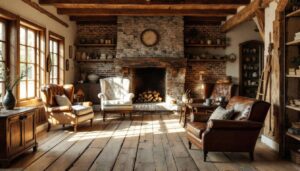
The movement towards natural materials represents more than just an aesthetic choice; it reflects a growing awareness of environmental impact and long-term value. Hardwood flooring continues to dominate the conversation, with designers emphasising its timeless appeal and remarkable durability. These materials offer authentic character that synthetic alternatives struggle to replicate, bringing warmth and organic beauty into homes.
Hardwood’s enduring appeal
Hardwood remains a cornerstone of quality flooring, valued for its ability to age gracefully whilst maintaining structural integrity. The grain patterns and natural variations in wood create unique visual interest that adds depth to any room. Homeowners are increasingly recognising hardwood as a sound investment, with properly maintained floors lasting decades and potentially increasing property value.
Natural stone alternatives
Natural stone surfaces are experiencing renewed interest, particularly in high-traffic areas where their exceptional durability proves invaluable. Materials such as limestone, travertine, and slate offer distinctive textures and colour variations that bring geological history into interior spaces. The cooling properties of stone make it particularly appealing in certain climates, whilst its thermal mass can contribute to energy efficiency.
Sustainable sourcing and certifications
Environmental responsibility has become a decisive factor in material selection. Consumers now actively seek flooring options with verified sustainability credentials:
- Forest Stewardship Council (FSC) certified timber from responsibly managed forests
- Reclaimed wood that repurposes existing materials whilst reducing demand for new harvesting
- Bamboo and cork as rapidly renewable alternatives to traditional hardwoods
- Low-emission manufacturing processes that minimise environmental impact
This emphasis on sustainable materials naturally connects to broader design philosophies that prioritise creating welcoming, lived-in environments.
Warm and earthy tones for added cosiness
The colour palette underfoot is shifting dramatically away from the cool greys that dominated recent years. Brown hues in various intensities are reclaiming their position as the foundation of inviting interiors, creating spaces that feel inherently comfortable and grounding.
The psychology of warm tones
Warm flooring colours create an immediate sense of comfort and security that resonates on a psychological level. These tones evoke natural elements such as earth, wood, and stone, establishing connections to the outdoors that many find inherently calming. The shift towards warmer palettes reflects a broader desire for homes that serve as genuine retreats from increasingly hectic external environments.
Coordinating with broader interior schemes
Earthy floor tones provide a versatile foundation that complements emerging colour trends throughout the home. Soft greens and blues in cabinetry and furnishings find harmonious balance when paired with warm brown flooring, creating cohesive schemes that feel both contemporary and timeless. This coordination allows for bolder choices in other design elements whilst maintaining visual stability.
| Tone Category | Popular Shades | Ideal Applications |
|---|---|---|
| Light Warm Browns | Honey, caramel, sand | Smaller spaces, Scandinavian-inspired interiors |
| Medium Earth Tones | Walnut, chestnut, terracotta | Living areas, open-plan spaces |
| Deep Rich Browns | Espresso, chocolate, mahogany | Studies, formal dining rooms |
These warm foundations set the stage for exploring how surface treatments can further enhance tactile and visual interest.
Embracing textured and matte finishes
The era of high-gloss, reflective flooring is giving way to surfaces that invite touch and create subtle visual complexity. Textured and matte finishes offer practical advantages whilst contributing to the overall sensory experience of a space.
Matte and satin surface treatments
Matte finishes have emerged as the preferred choice for those seeking understated elegance. These surfaces diffuse light rather than reflecting it sharply, creating softer, more forgiving interiors that feel lived-in from the outset. Satin finishes occupy a middle ground, offering slight sheen without the maintenance challenges of high-gloss alternatives.
Tactile dimension through texture
Textured flooring adds a physical dimension that engages multiple senses. Wire-brushed wood, hand-scraped finishes, and embossed surfaces create visual depth whilst also providing practical benefits such as improved slip resistance and better concealment of minor wear. These treatments celebrate the inherent character of materials rather than attempting to mask it.
Practical considerations
Beyond aesthetics, textured and matte finishes offer tangible advantages:
- Reduced visibility of scratches, scuffs, and dust compared to glossy surfaces
- Lower maintenance requirements with less frequent cleaning needed
- Enhanced safety through improved traction, particularly important in households with elderly residents or young children
- More forgiving appearance that ages gracefully rather than showing every imperfection
This practical elegance complements the growing appetite for more adventurous design choices.
Bold patterns and creative combinations
Floors are increasingly viewed as design canvases rather than neutral backdrops. Creative laying patterns and unexpected material combinations allow flooring to become a defining architectural feature that shapes the entire character of a space.
Chevron and herringbone layouts
These classic patterns are experiencing a significant resurgence, particularly chevron configurations that create dynamic visual movement. The precision required for proper installation elevates these patterns beyond mere decoration, transforming them into statements of craftsmanship. Herringbone offers a slightly more traditional interpretation, whilst chevron provides sharper, more contemporary geometry.
Mixed materials and transition zones
Designers are embracing intentional material transitions to define distinct areas within open-plan layouts. Combining wood with tile, or incorporating decorative borders, creates visual boundaries without requiring physical partitions. These creative combinations allow functional zoning whilst maintaining spatial flow and visual interest.
Geometric and custom patterns
Beyond traditional laying patterns, bespoke geometric designs are gaining traction among those seeking truly distinctive interiors. Hexagonal tiles, diamond configurations, and custom inlays transform floors into artistic installations. Whilst more complex to execute, these approaches deliver unparalleled visual impact.
Such bold aesthetic choices must be balanced with practical considerations that ensure long-term satisfaction.
The importance of functionality and durability
As flooring assumes greater design prominence, the expectation for exceptional performance has intensified. Materials and installation methods must deliver both immediate visual appeal and sustained functionality over extended periods.
Waterproof and moisture-resistant solutions
High-traffic areas and moisture-prone spaces demand flooring that can withstand challenging conditions without compromising appearance. Luxury vinyl products have evolved to offer impressive water resistance whilst convincingly replicating natural materials. These solutions prove particularly valuable in kitchens, bathrooms, and basement applications where traditional materials might fail.
Investment value and longevity
Quality flooring represents a significant financial commitment that homeowners increasingly view through an investment lens. Durable materials that maintain their appearance over decades offer superior value compared to cheaper alternatives requiring frequent replacement. This perspective encourages thoughtful selection based on lifecycle costs rather than initial price alone.
| Material Type | Expected Lifespan | Maintenance Level |
|---|---|---|
| Solid Hardwood | 50-100+ years | Moderate (periodic refinishing) |
| Natural Stone | Lifetime | Low to moderate (sealing) |
| Luxury Vinyl | 15-25 years | Very low |
| Engineered Wood | 30-50 years | Low to moderate |
These practical foundations support emerging wellness-focused approaches to interior design.
Wellness trends: a focus on comfort flooring
The connection between physical environment and wellbeing has become central to design philosophy. Comfort flooring addresses this relationship by prioritising materials and features that actively contribute to occupant health and satisfaction.
Underfoot comfort and cushioning
Materials that provide slight give underfoot reduce fatigue during extended standing and create a more forgiving surface for children at play. Cork flooring offers natural shock absorption, whilst certain luxury vinyl products incorporate cushioning layers that enhance comfort without sacrificing stability. These considerations prove particularly valuable in kitchens and other areas where people spend considerable time on their feet.
Thermal properties and radiant heating compatibility
Floor temperature significantly influences overall comfort perception. Materials compatible with underfloor heating systems allow precise climate control that enhances wellbeing throughout the year. Stone and tile conduct heat efficiently, whilst engineered wood products increasingly offer radiant heating compatibility that was once exclusive to masonry surfaces.
Acoustic performance
Sound transmission affects stress levels and overall environmental quality. Flooring choices that minimise impact noise and reduce echo contribute to more peaceful interiors:
- Cork and rubber underlayments that absorb sound transmission between floors
- Carpet and textile surfaces that dampen ambient noise within rooms
- Engineered products with integrated acoustic layers
- Strategic material placement in areas where noise control proves most valuable
Air quality considerations
Indoor air quality directly impacts health, making low-emission flooring materials increasingly important. Products with minimal volatile organic compound (VOC) output and natural materials that don’t harbour allergens support healthier living environments. This consideration has moved from niche concern to mainstream priority as awareness of indoor environmental quality grows.
The convergence of aesthetic ambition, environmental responsibility, and wellness priorities defines the current flooring landscape. Materials that once served purely functional purposes now contribute to the overall quality of daily life whilst expressing personal style. The emphasis on warm, natural materials with textured finishes creates inviting spaces that feel grounded and authentic. Bold patterns demonstrate growing confidence in using floors as design features rather than neutral backgrounds. Crucially, these aesthetic developments proceed alongside unwavering commitment to durability, functionality, and occupant wellbeing. The result is flooring that satisfies on multiple levels, delivering immediate visual impact whilst promising years of reliable performance and sustained satisfaction.