
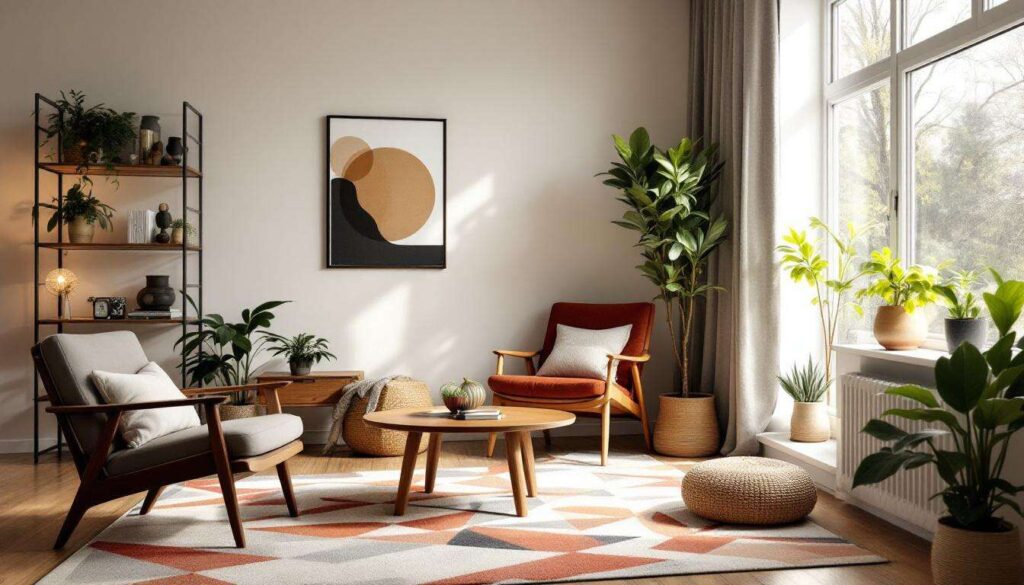
The enduring appeal of mid-century modern design lies in its ability to merge form with function, creating spaces that feel both sophisticated and welcoming. This distinctive aesthetic, born from the post-war era, champions simplicity, organic shapes, and a connection to nature that resonates with contemporary homeowners. Whether you’re embarking on a complete renovation or simply refreshing your living space, mastering this iconic style requires understanding its core principles and applying them thoughtfully throughout your home.
Understanding the basics of mid-century modern style
Mid-century modern design emerged between the 1940s and 1960s as a response to the ornate styles that preceded it. This movement prioritised functionality without sacrificing beauty, introducing a refreshing approach to interior spaces that remains relevant decades later.
Historical foundations and key characteristics
The style developed from several influential design movements, particularly Bauhaus and Scandinavian modernism. These schools of thought emphasised rational design, craftsmanship, and the elimination of unnecessary decoration. The result was furniture and architecture that celebrated honest materials and purposeful construction.
Key characteristics include:
- Clean, uncluttered lines with minimal ornamentation
- Integration of indoor and outdoor spaces
- Emphasis on functionality and practicality
- Organic and geometric forms working in harmony
- Open floor plans that maximise natural light
The philosophy behind the aesthetic
At its core, mid-century modern design reflects a democratic approach to style. Designers sought to create beautiful, well-made pieces accessible to ordinary people, not just the wealthy elite. This philosophy manifests in furniture that serves multiple purposes and spaces designed for comfortable, everyday living rather than formal entertaining.
Understanding these foundational principles provides the framework for selecting the right elements that will bring this timeless style into your home, beginning with the colour scheme that sets the entire mood.
Choosing a neutral and soothing colour palette
Colour selection plays a crucial role in establishing an authentic mid-century modern atmosphere. The palette typically balances warm neutrals with strategic pops of vibrant accent colours, creating spaces that feel both calming and energising.
Foundation colours for walls and large surfaces
Begin with a base of warm, earthy neutrals that provide a versatile backdrop. Consider shades such as:
- Warm whites and creams
- Soft beiges and taupes
- Gentle greys with warm undertones
- Natural wood tones in honey, walnut, and teak
These foundation colours allow your furniture and decorative elements to stand out whilst maintaining the uncluttered aesthetic central to the style. Wood panelling in rich, medium tones was particularly popular during the era and remains an effective way to add warmth and authenticity.
Strategic use of accent colours
Mid-century modern interiors aren’t afraid of bold colour, but they apply it judiciously. Primary colours and jewel tones appear in carefully chosen accessories, upholstery, and artwork. Popular accent colours include:
| Colour Category | Specific Shades | Typical Applications |
|---|---|---|
| Primary colours | Mustard yellow, burnt orange, teal blue | Cushions, throws, occasional chairs |
| Jewel tones | Emerald green, sapphire blue, ruby red | Accent walls, artwork, ceramics |
| Earth tones | Olive green, terracotta, chocolate brown | Larger furniture pieces, textiles |
The key is maintaining balance: allow one or two accent colours to shine without overwhelming the space. This restrained approach to colour naturally complements the incorporation of organic materials that add texture and depth.
Incorporating natural materials for a warm atmosphere
Natural materials form the heart and soul of mid-century modern design, bringing warmth and tactile interest to spaces that might otherwise feel too austere or clinical.
Wood as the primary material
Wood dominates mid-century interiors, appearing in flooring, furniture, panelling, and accessories. Teak, walnut, and rosewood were particularly favoured for their rich colour and beautiful grain patterns. The wood is typically finished to highlight its natural beauty rather than painted or heavily treated.
Consider incorporating wood through:
- Sideboards and credenzas with exposed wood grain
- Wooden dining tables with tapered legs
- Hardwood flooring in medium to dark tones
- Wooden wall panels or feature walls
- Decorative wooden bowls and sculptures
Complementary natural textures
Beyond wood, other organic materials add layers of texture and visual interest. Leather upholstery, particularly in cognac or black, appears frequently on lounge chairs and sofas. Stone surfaces, such as marble or slate, provide elegant contrast to warm wood tones.
Textiles play an equally important role. Wool, linen, and cotton in both solid colours and geometric patterns soften hard surfaces. Sheepskin throws and boucle fabrics add tactile warmth whilst maintaining the style’s sophisticated sensibility.
These natural materials work best when paired with furniture designs that emphasise simplicity and purpose, creating a cohesive aesthetic throughout your space.
Embracing clean lines and sleek silhouettes
The hallmark of mid-century modern furniture lies in its refined simplicity. Pieces feature streamlined forms that prioritise function whilst maintaining visual elegance through carefully considered proportions and details.
Furniture characteristics to seek
Authentic mid-century pieces share several distinctive features. Look for furniture with tapered legs, often angled outward for stability and visual lightness. Arms and backs are typically low-profile, creating horizontal emphasis that makes rooms feel more spacious.
Essential characteristics include:
- Absence of ornate carvings or excessive decoration
- Smooth, continuous surfaces with gentle curves
- Exposed structural elements that celebrate honest construction
- Low-slung profiles that maintain sight lines
- Minimal hardware, often integrated seamlessly into the design
Avoiding clutter and maintaining openness
Mid-century modern spaces embrace negative space as a design element. Rather than filling every corner, select fewer, higher-quality pieces that serve clear purposes. This approach creates rooms that feel airy and unencumbered, allowing each piece to make its own statement.
Storage solutions are cleverly integrated into furniture designs, with credenzas and sideboards providing ample hidden storage behind clean facades. This practical approach to organisation supports the uncluttered aesthetic whilst meeting everyday needs.
The simplicity of these forms finds perfect harmony when combined with design principles borrowed from Scandinavian traditions, creating spaces that feel both warm and refined.
Combining Scandinavian elements for harmonious aesthetics
Scandinavian design shares deep roots with mid-century modernism, and thoughtfully blending these influences creates interiors with enhanced warmth and livability whilst maintaining the clean aesthetic both styles champion.
Shared principles and complementary approaches
Both movements prioritise functionality, simplicity, and connection to nature. Scandinavian design brings additional emphasis on cosiness and comfort, concepts that soften mid-century modern’s occasionally austere minimalism. The Nordic approach to light, particularly important in northern climates, aligns perfectly with mid-century’s love of large windows and open spaces.
Complementary elements include:
- Light wood tones such as birch, beech, and ash alongside darker teak and walnut
- Emphasis on natural light through sheer curtains or bare windows
- Textiles in natural fibres with simple patterns
- Functional ceramics and glassware as decorative objects
- Plants as essential decorative elements
Creating layered comfort
The Scandinavian concept of hygge enhances mid-century spaces by encouraging layers of texture and soft lighting. Add woven throws, plush rugs, and ambient lighting to create inviting spaces that invite relaxation. This doesn’t contradict mid-century principles but rather enriches them, preventing rooms from feeling cold or unwelcoming.
Incorporate multiple light sources at different heights, including floor lamps with organic shapes, table lamps with sculptural bases, and pendant lights that serve as focal points. This layered approach to illumination creates warmth and flexibility for different activities and moods.
These foundational elements provide the perfect canvas for introducing statement pieces that define your space and showcase the era’s most celebrated designs.
Using iconic pieces for a signature design
Investing in iconic furniture designs from the mid-century period instantly elevates your interior whilst providing pieces that will retain their value and appeal for generations. These celebrated designs have endured precisely because they successfully marry form and function.
Recognisable designs worth considering
Certain pieces have become synonymous with the era and remain highly sought after. Lounge chairs with moulded plywood or leather upholstery offer both comfort and visual impact. Dining chairs with organic shapes and slender legs provide seating that’s both practical and sculptural.
Notable categories include:
| Furniture Type | Key Features | Placement Considerations |
|---|---|---|
| Lounge chairs | Moulded plywood, leather cushions, sculptural forms | Living rooms, reading nooks, bedroom corners |
| Storage pieces | Sliding doors, tapered legs, mixed materials | Dining rooms, living rooms, entryways |
| Lighting fixtures | Geometric shades, brass details, adjustable arms | Above dining tables, beside seating areas |
| Tables | Organic shapes, glass or wood tops, minimal bases | Living rooms, dining areas, home offices |
Balancing vintage and reproduction pieces
Whilst authentic vintage pieces offer unmatched character, quality reproductions make iconic designs accessible to more budgets. Focus your investment on one or two statement pieces in original condition, then complement with well-made reproductions that respect the original designs.
When hunting for vintage pieces, explore second-hand shops, estate sales, and specialist dealers. Patience proves essential, as finding the right piece at the right price often takes time. Examine construction quality, checking joints, finishes, and overall condition before purchasing.
For reproductions, research manufacturers who licence original designs or produce pieces with attention to authentic materials and construction methods. Quality reproductions use real wood, proper joinery, and accurate proportions rather than cheap substitutes.
The mid-century modern aesthetic offers a timeless approach to interior design that continues to resonate with contemporary sensibilities. By understanding its core principles, selecting appropriate colours and materials, embracing clean lines, incorporating Scandinavian warmth, and choosing iconic pieces thoughtfully, you can create spaces that honour this influential era whilst meeting modern living requirements. The style’s emphasis on quality over quantity, function alongside beauty, and connection to natural materials provides a sustainable framework for creating homes that remain stylish and comfortable for years to come. Whether you invest in authentic vintage finds or carefully selected reproductions, the key lies in maintaining the balance between simplicity and warmth that defines this enduring design movement.