


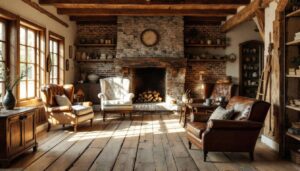
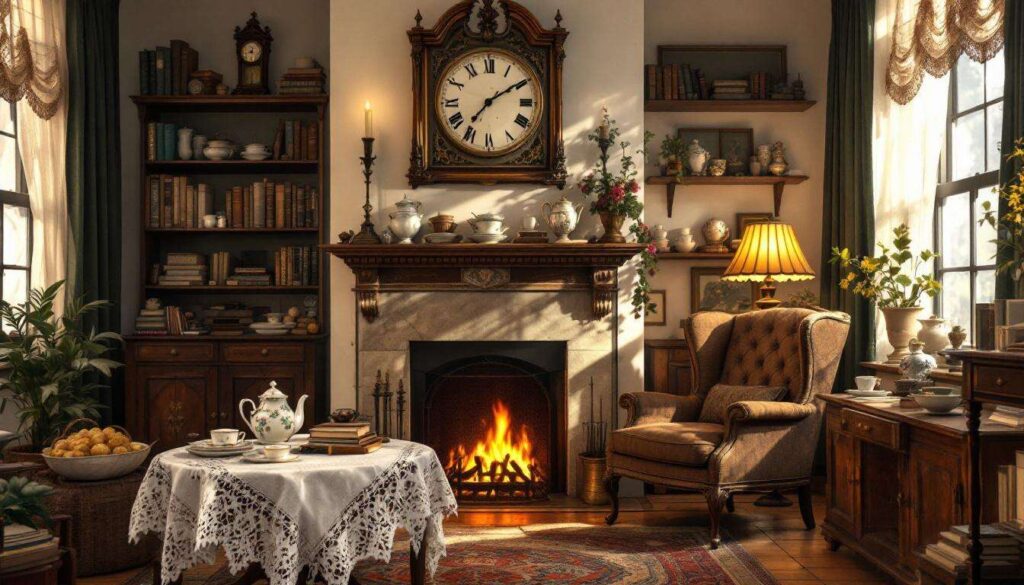
Rummaging through a grandmother’s attic or sitting room often reveals far more than dust and forgotten knick-knacks. These spaces hold tangible links to the past, objects that carry stories, craftsmanship, and sometimes considerable monetary value. Many families unknowingly discard items that collectors and museums would treasure, simply because they fail to recognise their worth. Understanding which pieces deserve preservation can help safeguard both family heritage and potential financial assets for future generations.
Family heirlooms: the value of old objects
Understanding sentimental versus monetary worth
Family heirlooms occupy a unique position in the world of antiques, straddling the line between emotional significance and market value. Objects passed down through generations carry memories that cannot be quantified, yet many also possess substantial financial worth that surprises their inheritors. The challenge lies in distinguishing between items worth keeping for sentiment alone and those that deserve preservation for both reasons.
When evaluating potential heirlooms, several factors determine their importance:
- Provenance and documented family history
- Age and condition of the object
- Rarity and craftsmanship quality
- Cultural or historical significance
- Current market demand for similar items
Documenting family treasures properly
Proper documentation transforms ordinary objects into authenticated heirlooms. Photographs, written histories, and provenance records significantly enhance both sentimental and monetary value. Creating a catalogue of grandmother’s possessions, complete with stories about their origins and uses, ensures that future generations understand their significance. This practice proves particularly valuable for items like handwritten recipe books, family bibles with genealogical notes, or letters that chronicle family events.
Beyond their personal significance, these documented items provide a window into social history and everyday life from bygone eras, making them invaluable to researchers and museums alike.
Vintage kitchen items: an unsuspected fortune
Collectible cookware and utensils
The kitchen often harbours some of the most valuable yet overlooked treasures in a grandmother’s house. Vintage cookware from renowned manufacturers can command impressive prices at auction. Cast iron skillets from established foundries, copper moulds with intricate designs, and enamelware in vibrant colours attract serious collectors who appreciate both their aesthetic appeal and functional quality.
| Item Type | Era | Potential Value Range |
|---|---|---|
| Cast iron cookware | 1890-1950 | £50-£500 |
| Copper jelly moulds | Victorian-Edwardian | £80-£400 |
| Vintage Pyrex sets | 1950-1970 | £30-£300 |
| Ceramic mixing bowls | 1920-1960 | £20-£200 |
Porcelain and fine china collections
Complete sets of fine china represent significant investments that appreciate over time. Patterns from prestigious potteries, particularly those no longer in production, become increasingly scarce and valuable. Even incomplete sets retain worth, especially if the pieces feature hand-painted designs or gilded details. The condition matters enormously, with chips and cracks substantially reducing value, yet even damaged pieces from exceptional manufacturers find buyers among collectors seeking replacement items.
These delicate reminders of formal dining traditions connect us to an era when meals served as ceremonial family gatherings, making them worthy of preservation beyond their market price.
The allure of bygone clothing and accessories
Vintage garments with lasting appeal
Period clothing from grandmother’s wardrobe often represents remarkable craftsmanship that modern mass production cannot replicate. Hand-stitched seams, quality fabrics, and timeless designs make these garments desirable to vintage fashion enthusiasts and costume departments alike. Particularly valuable items include:
- Evening gowns from the 1920s through 1950s
- Tailored wool coats with original labels
- Silk scarves from luxury fashion houses
- Leather handbags in classic styles
- Well-preserved hats with original trimmings
Jewellery that transcends generations
Costume jewellery and fine pieces alike deserve careful evaluation before disposal. Vintage brooches, necklaces, and earrings from certain periods command premium prices, particularly those featuring Art Deco geometric designs or Victorian mourning jewellery. Even items without precious stones or metals can prove valuable if they bear signatures from renowned designers or exhibit exceptional artistry. Gold and silver pieces naturally retain intrinsic metal value, but their worth often exceeds melt value when craftsmanship and historical significance factor into appraisals.
These wearable treasures offer the dual pleasure of personal adornment and investment preservation, making them particularly appealing keepsakes.
Art and silverware: inheritances to cherish
Original artwork and prints
Paintings, drawings, and prints adorning grandmother’s walls may include works by artists whose reputations have grown considerably since purchase. Original artwork requires professional authentication, as even unsigned pieces can prove valuable if attributable to known artists. Watercolours, oil paintings, and limited-edition prints from the early to mid-twentieth century deserve particular attention, especially those depicting local scenes or historical events.
Silver serving pieces and flatware
Sterling silver items represent both precious metal content and collectible appeal. Hallmarked pieces from established silversmiths carry premiums beyond their weight in silver, particularly when patterns remain popular or sets stay complete. Serving pieces like tea services, candlesticks, and trays often feature ornate designs that showcase exceptional metalworking skills. Even silver-plated items from quality manufacturers attract collectors, though their value derives primarily from craftsmanship rather than metal content.
The enduring beauty and functionality of these pieces explain their continued presence in homes across generations.
Antique decorative items: a timeless wealth
Timepieces and clocks
Mechanical clocks and watches from grandmother’s collection often combine functional engineering with decorative artistry. Mantel clocks, grandfather clocks, and pocket watches from reputable makers maintain strong collector interest. Even non-working examples hold value for their cases and movements, though operational pieces command significantly higher prices. The intricate mechanisms and careful construction required for these timepieces make them enduring symbols of an era when objects were built to last generations.
Glassware and crystal
Cut crystal decanters, coloured glass vases, and pressed glass serving pieces represent another category of undervalued treasures. Hand-blown glass from established glassworks, particularly pieces in unusual colours or patterns, appeals to dedicated collectors. Depression glass, despite its humble origins during economic hardship, now fetches respectable prices, especially in complete sets or rare colours.
These objects continue enriching homes with their beauty whilst simultaneously serving as tangible investments in family heritage and cultural history.
Preserving grandmother’s treasures requires balancing practical considerations with emotional attachments. The eight categories explored here represent merely a starting point for identifying valuable items worthy of retention. Beyond monetary worth, these objects embody craftsmanship, family stories, and historical context that enrich our understanding of previous generations. Whether ultimately kept for personal enjoyment, passed to descendants, or sold to appreciative collectors, these treasures deserve thoughtful evaluation rather than hasty disposal. Their preservation ensures that the tangible links connecting past, present, and future remain intact for those who follow.