

Every home has untapped potential waiting to be revealed through thoughtful design choices. Professional designers possess a trained eye for spotting opportunities that most homeowners overlook in their daily routines. From lighting missteps to cluttered surfaces, these issues can diminish the beauty and functionality of even the most promising spaces. Understanding what experts would prioritise can transform ordinary rooms into extraordinary environments that reflect both style and practicality.
Reevaluation of interior lighting
The transformative power of layered illumination
Lighting represents one of the most critical yet frequently neglected aspects of interior design. Designers immediately notice when a room relies solely on overhead fixtures, creating harsh shadows and an uninviting atmosphere. The solution lies in implementing a layered lighting strategy that combines ambient, task, and accent lighting throughout each space.
Professional designers would introduce multiple light sources at varying heights:
- Table lamps positioned at seating areas for reading and conversation
- Floor lamps in corners to eliminate dark pockets
- Wall sconces to create visual interest and architectural emphasis
- Dimmer switches to adjust mood and functionality throughout the day
Replacing inadequate lampshades
Ordinary lampshades can diminish the entire aesthetic of a carefully curated room. Designers would immediately replace basic, builder-grade shades with options featuring bold patterns, interesting textures, or sculptural shapes. These elements should complement nearby furniture whilst adding personality to the space. A well-chosen lampshade doesn’t merely diffuse light; it becomes a decorative statement that enhances the room’s overall character.
Beyond individual fixtures, the strategic placement of lighting creates depth and dimension. This foundational change naturally leads to examining how spaces are organised and utilised.
Optimisation of storage spaces
Concealing clutter with purposeful solutions
Designers recognise that visible clutter undermines even the most beautiful interiors. The first priority involves creating dedicated storage that accommodates the realities of daily life whilst maintaining visual harmony. This doesn’t necessarily require extensive renovations; often, strategic furniture selections and organisational systems suffice.
Effective storage optimisation includes:
- Multi-functional furniture pieces with hidden compartments
- Built-in shelving that maximises vertical space
- Decorative baskets and boxes that conceal necessities
- Drawer organisers that prevent internal chaos
The tray grouping technique
One immediate change designers implement involves grouping small items on decorative trays. This simple technique transforms scattered objects into intentional vignettes. Whether on a coffee table, bathroom counter, or bedside table, trays create visual boundaries that make collections appear curated rather than chaotic. This approach works equally well for functional items like remote controls and decorative elements like candles and small sculptures.
| Storage challenge | Designer solution | Visual impact |
|---|---|---|
| Scattered magazines | Decorative basket near seating | Tidy, intentional |
| Kitchen counter clutter | Grouped items on tray | Cohesive, organised |
| Bedroom surfaces | Drawer inserts and boxes | Serene, spacious |
Once storage issues are addressed, the physical arrangement of furniture becomes the next priority for creating harmonious spaces.
Rethinking furniture layout
Creating conversation-friendly arrangements
Most homeowners position furniture against walls, a default choice that actually makes rooms feel smaller and less inviting. Designers would immediately pull seating away from perimeters, creating intimate groupings that encourage interaction. This approach defines distinct zones within larger spaces whilst improving traffic flow throughout the home.
Key principles for furniture arrangement include:
- Positioning sofas and chairs to face each other at comfortable conversational distances
- Floating furniture pieces to define areas without physical barriers
- Ensuring adequate walkways of at least 90 centimetres
- Anchoring seating groups with appropriately sized rugs
Scale and proportion considerations
Furniture that’s too small or overwhelmingly large disrupts visual balance. Designers evaluate whether pieces suit the room’s dimensions, often recommending replacements or reconfigurations. A common mistake involves selecting undersized sofas for spacious lounges or oversized sectionals for compact flats. Professional eyes immediately spot these discrepancies and know how rearrangement or strategic additions can restore proper proportion.
With furniture properly positioned, attention shifts to the vertical surfaces that frame these arrangements.
Personalisation of walls with artwork
The art of proper placement
One of the most frequent errors designers encounter involves artwork hung too high on walls. The standard recommendation places the centre of artwork at eye level, approximately 145 to 150 centimetres from the floor. This positioning creates an immediate visual connection and transforms art from afterthought to focal point.
Artwork placement strategies include:
- Hanging pieces at eye level rather than near ceiling height
- Creating gallery walls with consistent spacing between frames
- Scaling artwork appropriately to furniture beneath it
- Using picture ledges for flexible, changeable displays
Introducing pattern and visual interest
Beyond traditional framed art, designers might introduce decorative bands or stripes on accent walls to add dynamism without overwhelming the space. These architectural details draw the eye and create structure, particularly in rooms with challenging proportions. Whether through paint, wallpaper, or applied moulding, these elements contribute depth and sophistication that plain walls cannot achieve.
The textures and patterns on walls naturally connect to the fabrics and textiles throughout the space.
Enhancement of textiles and fabrics
Elevating comfort through cushions
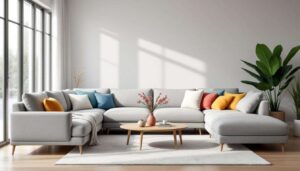
Larger, more luxurious cushions immediately upgrade the perceived quality of furniture. Designers would replace small, flat cushions with generous options measuring at least 55 centimetres square, filled with plump inserts that maintain their shape. This seemingly minor change dramatically affects how inviting and comfortable seating appears.
Textile enhancements extend beyond cushions:
- Layering throws in complementary textures and colours
- Selecting curtains in substantial fabrics that drape gracefully
- Adding area rugs to define spaces and absorb sound
- Incorporating varied textile weights for visual and tactile interest
Window treatment optimisation
Curtain rods installed too close to window frames represent a missed opportunity. Designers would immediately extend rods 15 to 30 centimetres beyond each side of the window, creating an illusion of larger windows and allowing curtains to stack neatly when open. Installing rods closer to the ceiling rather than just above the frame further enhances the perception of height, drawing the eye upwards and making rooms feel more spacious.
| Element | Common mistake | Designer approach |
|---|---|---|
| Cushions | Small, flat, numerous | Fewer, larger, plush |
| Curtain rods | Just above window frame | Near ceiling, extended wide |
| Throws | Single, folded neatly | Layered, casually draped |
These textile improvements create warmth and comfort whilst setting the stage for incorporating living elements into the design.
Integration of natural elements and plants
Bringing the outdoors inside
Designers recognise that natural elements create immediate visual and psychological benefits within interiors. Fresh branches arranged in substantial vases provide organic sculptural interest that artificial alternatives cannot replicate. These elements change with seasons, ensuring spaces feel dynamic rather than static.
Effective natural integration includes:
- Selecting plants appropriate to available light conditions
- Varying plant heights and textures for visual diversity
- Using natural materials like wood, stone, and woven fibres
- Incorporating fresh branches for temporary, seasonal displays
Creating living focal points
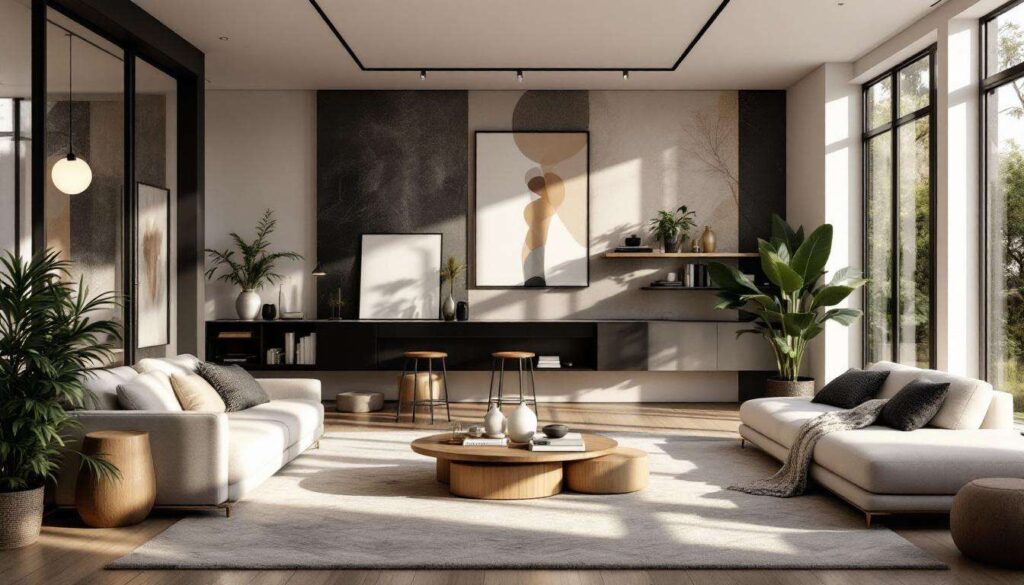
Strategic plant placement transforms empty corners and bland surfaces into vibrant focal points. Rather than scattering small plants throughout a space, designers group them at varying heights to create impact. Large floor plants anchor corners, whilst trailing varieties soften hard edges on shelving. This approach brings life and movement to interiors whilst improving air quality and connecting inhabitants to nature.
Professional designers understand that homes should evolve with their occupants rather than conform to fleeting trends. The changes outlined here represent timeless principles that enhance functionality, beauty, and personal expression. From reimagining how light fills a room to incorporating living elements that breathe vitality into spaces, these adjustments create environments that truly reflect individual lifestyles. The most successful interiors balance aesthetic appeal with practical considerations, ensuring that beauty serves daily life rather than existing separately from it. By viewing homes through a designer’s lens, homeowners can identify opportunities for transformation that elevate everyday experiences.