



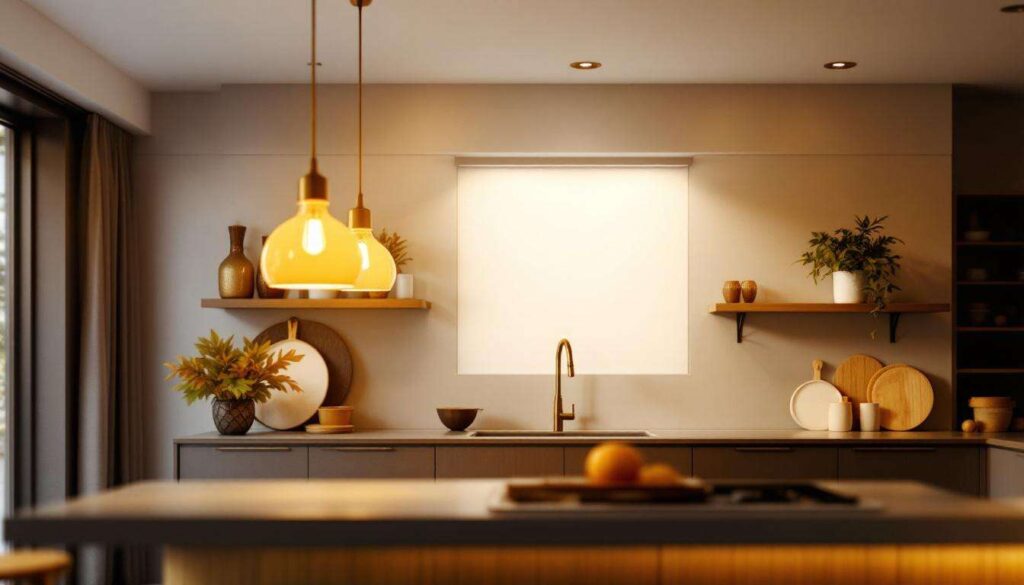
Kitchen lighting can make or break the atmosphere of one of the most important rooms in your home. When poorly executed, it transforms a warm gathering space into an unwelcoming, clinical environment that feels more like a laboratory than a place where families cook and connect. The challenge lies in achieving adequate illumination for food preparation whilst maintaining a comfortable, inviting ambience that encourages lingering conversations and shared meals.
Avoiding common kitchen lighting mistakes
Many homeowners fall into predictable traps when designing their kitchen lighting schemes. The single overhead fixture remains the most frequent error, creating harsh shadows across work surfaces and casting unflattering light on faces. This approach fails to address the varied needs of different kitchen zones, leaving some areas brilliantly lit whilst others remain in comparative darkness.
Recognising the pitfalls of inadequate planning
Poor lighting design often stems from treating the kitchen as a single-purpose space rather than the multifunctional hub it truly is. Insufficient consideration of how light interacts with reflective surfaces such as stainless steel appliances, glossy cabinets, and polished worktops leads to glare that strains the eyes and diminishes comfort. Additionally, positioning lights without accounting for where people stand creates problematic shadows precisely where illumination is most needed.
- Relying exclusively on ceiling-mounted fixtures
- Ignoring the reflective properties of kitchen surfaces
- Failing to account for shadow patterns during food preparation
- Choosing inappropriate bulb wattages for the space size
- Neglecting to test lighting at different times of day
Understanding these common errors provides the foundation for implementing more sophisticated solutions that address the kitchen’s complex lighting requirements.
Layering light sources
Layered lighting represents the cornerstone of successful kitchen illumination, combining three distinct types to create depth, functionality, and atmosphere. This approach ensures that no single light source bears the burden of illuminating the entire space, thereby eliminating the harshness associated with over-reliance on one fixture type.
Understanding the three essential layers
Ambient lighting provides general illumination throughout the kitchen, typically delivered through ceiling-mounted fixtures, recessed downlights, or flush-mount fittings. This foundational layer ensures safe movement throughout the space but should never be the sole source of light. Task lighting targets specific work areas where detailed activities occur, including food preparation zones, cooking surfaces, and sink areas. Under-cabinet strips, pendant lights above islands, and directional spotlights serve this crucial function.
Accent lighting adds the final dimension, highlighting architectural features, open shelving displays, or decorative elements that contribute to the kitchen’s character. This layer introduces visual interest and draws attention to design features that might otherwise disappear in uniform illumination.
| Lighting Layer | Primary Purpose | Common Fixtures |
|---|---|---|
| Ambient | General illumination | Recessed lights, ceiling fixtures |
| Task | Focused work area lighting | Under-cabinet strips, pendants |
| Accent | Highlighting features | Spotlights, LED strips |
Implementing effective layering strategies
Begin by mapping your kitchen activities to identify where each lighting layer should concentrate. Position task lighting to eliminate shadows cast by your body when working at countertops. Install under-cabinet fixtures towards the front edge of cabinets to maximise coverage across work surfaces. Combine recessed ambient lighting with decorative pendants over islands or dining areas to balance function with aesthetics.
The interplay between these layers creates flexibility, allowing you to adjust the atmosphere according to different activities and times of day.
Favouring proportionate lighting
Proportionality in kitchen lighting involves matching the intensity and scale of fixtures to the room’s dimensions and ceiling height. Oversized fixtures in compact kitchens or insufficient lighting in expansive spaces both contribute to uncomfortable environments that feel either oppressive or inadequately illuminated.
Calculating appropriate light levels
Kitchen lighting requirements typically range between 5,000 and 10,000 lumens for the entire space, depending on size and layout. For task areas, aim for approximately 450 lumens per square metre, whilst ambient lighting can operate at lower levels around 300 lumens per square metre. These figures provide starting points that require adjustment based on surface colours, natural light availability, and personal preferences.
Scaling fixtures to room dimensions
Pendant lights above islands should maintain proportionate relationships with the surface below. As a general guideline, fixtures should measure approximately one-third the width of the island or table they illuminate. Hang pendants 75 to 85 centimetres above countertops to provide adequate task lighting without obstructing sightlines across the kitchen.
- Measure ceiling height before selecting fixture sizes
- Consider the visual weight of fixtures in relation to cabinetry
- Account for the cumulative effect of multiple light sources
- Balance decorative impact with functional requirements
Proper proportions ensure that lighting enhances rather than overwhelms the space, creating harmony between illumination and design.
Selecting appropriate lighting temperatures
Colour temperature dramatically influences how a kitchen feels, with measurements in Kelvin determining whether light appears warm, neutral, or cool. Harsh lighting frequently results from choosing temperatures that clash with the kitchen’s colour palette or intended atmosphere.
Understanding the Kelvin scale
Light temperatures between 2700K and 3000K produce warm, yellowish tones that create inviting, comfortable environments reminiscent of traditional incandescent bulbs. Mid-range temperatures from 3500K to 4100K offer neutral white light that balances warmth with clarity, suitable for kitchens requiring accurate colour rendering. Cool temperatures above 5000K emit bluish-white light that feels clinical and harsh in residential settings, though some prefer this for its energising qualities.
| Temperature Range | Colour Appearance | Best Kitchen Application |
|---|---|---|
| 2700K-3000K | Warm white | Ambient and accent lighting |
| 3500K-4100K | Neutral white | Task lighting, general use |
| 5000K+ | Cool white | Rarely recommended for homes |
Coordinating temperatures throughout the space
Consistency matters when selecting colour temperatures. Mixing warm ambient lighting with cool task lighting creates visual discord that feels unsettling. Maintain temperature consistency within 500K across all fixtures, or intentionally separate zones with distinct temperatures to define different functional areas. Warmer temperatures complement wood cabinetry and traditional designs, whilst slightly cooler neutrals suit contemporary kitchens with stainless steel and white surfaces.
The right temperature choice transforms harsh illumination into welcoming light that flatters both the space and its occupants.
Harnessing natural light
Natural light remains the most flattering and energy-efficient illumination source available. Maximising daylight reduces reliance on artificial lighting during daytime hours whilst providing the full spectrum of light that enhances colours and creates dynamic shadows that change throughout the day.
Optimising window treatments and placement
Sheer curtains, translucent blinds, or no window coverings at all allow maximum natural light penetration whilst maintaining privacy where needed. Position reflective surfaces such as mirrors or glossy backsplashes to bounce daylight deeper into the kitchen, illuminating areas distant from windows. Light-coloured walls and ceilings amplify natural light by reflecting rather than absorbing it.
Complementing natural light with artificial sources
Design artificial lighting to supplement rather than compete with natural light. Install dimmer switches that allow adjustment as daylight levels change throughout the day. Consider the direction of natural light when positioning task lighting to avoid creating conflicting shadows. North-facing kitchens receive cooler, more consistent light that pairs well with warmer artificial temperatures, whilst south-facing spaces benefit from neutral artificial lighting that doesn’t clash with warm afternoon sun.
- Assess natural light patterns at different times of day
- Choose window treatments that maximise light transmission
- Position work areas to take advantage of natural illumination
- Use reflective surfaces strategically to distribute daylight
Integrating natural and artificial light creates a dynamic environment that feels connected to the outdoors whilst maintaining functionality after dark.
Incorporating decorative fixtures suited to your kitchen’s style
Decorative lighting serves dual purposes, providing necessary illumination whilst contributing to the kitchen’s aesthetic identity. Thoughtfully selected fixtures enhance design themes without introducing the harshness that purely functional lighting often creates.
Matching fixtures to design styles
Traditional kitchens benefit from classic pendant designs featuring glass shades, aged metals, or vintage-inspired forms that echo period details found in cabinetry and hardware. Contemporary spaces call for clean-lined fixtures with geometric shapes, minimal ornamentation, and materials such as brushed nickel or matte black finishes. Transitional kitchens blend elements from both approaches, selecting fixtures that bridge traditional warmth with modern simplicity.
Balancing aesthetics with functionality
Beautiful fixtures must still deliver appropriate light levels for their intended purpose. Verify that decorative pendants provide adequate task lighting or supplement them with discreet under-cabinet fixtures. Consider how fixture materials affect light quality: clear glass allows maximum light transmission, whilst frosted or coloured glass softens and diffuses illumination, reducing harshness. Open-frame fixtures create interesting shadow patterns but may require higher-wattage bulbs to achieve necessary brightness.
Selecting fixtures that harmonise with your kitchen’s design language ensures that lighting enhances rather than detracts from the overall aesthetic vision.
Transforming harsh kitchen lighting into a welcoming environment requires thoughtful consideration of multiple factors working in concert. By avoiding common mistakes, layering diverse light sources, ensuring proportionate fixture selection, choosing appropriate colour temperatures, maximising natural light, and incorporating decorative elements that reflect your style, you create a kitchen that functions brilliantly whilst feeling warm and inviting. These strategies work together to eliminate the clinical atmosphere that plagues poorly lit kitchens, replacing it with nuanced illumination that adapts to various activities and moods throughout the day.