

The living room remains the focal point of modern homes, and selecting the right sofa continues to be a decision that balances aesthetics, functionality, and personal expression. As interior design evolves to reflect changing lifestyles and priorities, certain sofa styles have emerged as particularly influential. From configurations that maximise seating capacity to designs that prioritise adaptability, these trending options offer solutions for diverse spatial requirements and aesthetic preferences. Understanding the characteristics that define these popular choices can guide homeowners toward selections that enhance both the visual appeal and practical utility of their living spaces.
Sofa shapes in vogue for 2026
The dominance of u-shape configurations
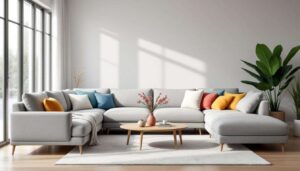
U-shape sofas have established themselves as a premier choice for spacious living rooms, offering an impressive combination of seating capacity and visual impact. These generous designs create natural gathering points that encourage conversation and social interaction, making them particularly valuable for households that frequently entertain guests. The enveloping structure provides a sense of enclosure that defines the seating area whilst maintaining openness to the surrounding space.
The appeal of u-shape sofas extends beyond mere size. Their deep, plush cushions deliver exceptional comfort levels, transforming the living room into a genuine relaxation zone. For families requiring ample seating without cluttering the room with multiple furniture pieces, this configuration presents an elegant solution that consolidates seating into a single, cohesive unit.
L-shaped designs for spatial efficiency
L-shaped sofas continue to gain favour for their remarkable space-saving properties, particularly in homes with corner placements or open-concept layouts. These designs excel at defining distinct zones within larger rooms, creating visual boundaries without requiring physical partitions. The perpendicular arrangement maximises seating capacity whilst occupying corners that might otherwise remain underutilised.
- Ideal for corner positioning in compact living rooms
- Effective at delineating separate functional areas in open-plan spaces
- Provides generous seating without dominating the room’s centre
- Accommodates various orientations to suit different room layouts
The versatility of l-shaped configurations makes them suitable for both intimate family settings and larger social gatherings, adapting to different occasions with ease. These shapes naturally lead to considerations of how colour choices can further enhance their visual impact.
Sofa colours trending for 2026
The enduring appeal of neutral palettes
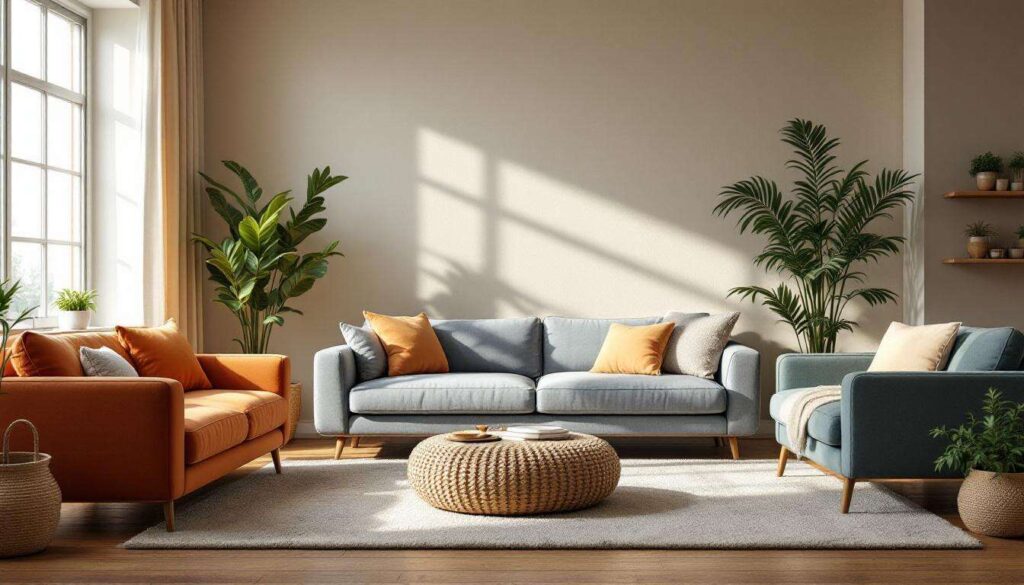
Neutral colour schemes maintain their position as the foundation of contemporary sofa design, offering timeless elegance that transcends fleeting trends. Soft taupes, warm creams, and gentle greiges provide a calming backdrop that allows other decorative elements to shine whilst creating a sophisticated atmosphere. These understated hues possess the remarkable ability to adapt to evolving interior schemes, ensuring longevity beyond immediate aesthetic preferences.
The practical advantages of neutral sofas extend to their compatibility with diverse styling approaches. Whether paired with bold accent cushions, vibrant artwork, or minimalist accessories, these foundational colours accommodate changing tastes without requiring complete furniture replacement.
Earth-inspired tones for natural connection
Muted greens, warm terracottas, and sandy beiges have emerged as particularly desirable options for those seeking to establish connections with natural environments. These earth-inspired hues evoke tranquillity and grounding, reflecting a broader cultural shift towards biophilic design principles. The psychological benefits of these colours contribute to creating living spaces that feel restorative rather than merely decorative.
| Colour Category | Popular Shades | Primary Benefit |
|---|---|---|
| Neutral Tones | Taupe, cream, greige | Versatility and timelessness |
| Earth Tones | Muted green, terracotta, sand | Calming, natural ambiance |
| Layered Neutrals | Textured beiges, soft greys | Visual depth and sophistication |
Colour selection naturally intertwines with material choices, as texture and finish significantly influence how hues appear in different lighting conditions.
Materials redefining sofa design
Natural fibres and organic textures
The integration of natural materials has become increasingly prominent, reflecting environmental consciousness and aesthetic preferences for authenticity. Linen, cotton, and wool upholstery options provide breathability and tactile appeal that synthetic alternatives struggle to replicate. These materials age gracefully, developing character over time rather than simply showing wear.
Beyond upholstery fabrics, wooden frames crafted from sustainably sourced timber and exposed structural elements celebrate craftsmanship and material honesty. The visible quality of construction has become a desirable feature rather than something to conceal, with many designs showcasing joinery and frame details as aesthetic elements.
Performance fabrics meeting practical demands
Technological advances have produced upholstery materials that combine durability with aesthetic refinement. Stain-resistant treatments, water-repellent finishes, and fade-resistant dyes address practical concerns without compromising visual appeal. These performance characteristics prove particularly valuable in households with children or pets, where furniture faces daily challenges.
- Stain-resistant treatments maintaining fabric appearance
- Water-repellent finishes protecting against spills
- Fade-resistant technologies preserving colour vibrancy
- Easy-clean surfaces simplifying maintenance routines
Material considerations directly influence the overall comfort experience, particularly when examining depth and cushioning characteristics.
The impact of deep sofas on comfort
Enhanced relaxation through generous proportions
Deep-seated sofas have redefined comfort expectations, offering luxurious lounging experiences that encourage genuine relaxation. These designs typically feature seat depths exceeding standard measurements, allowing occupants to recline fully or adopt casual positions that shallow seating cannot accommodate. The psychological effect of sinking into generous cushioning creates an immediate sense of refuge from daily pressures.
The construction of deep sofas typically incorporates high-density foam cores wrapped in softer materials, providing structural support whilst maintaining surface comfort. This layered approach prevents the sagging associated with overly soft cushions whilst delivering the plush feel that defines premium seating.
Ergonomic considerations in modern design
Contemporary deep sofas increasingly incorporate ergonomic principles that support healthy posture during extended use. Adjustable headrests, lumbar support features, and graduated cushion firmness address the reality that comfort extends beyond mere softness. Recliner mechanisms have evolved to offer smooth transitions between positions, integrating seamlessly into designs that maintain aesthetic coherence.
These comfort-focused features reflect a broader understanding of how furniture influences wellbeing, positioning the sofa as central to domestic life.
The evolution of the sofa as the heart of the home
Emotional connection and personal identity
The sofa has transcended its functional role to become a symbol of personal expression and emotional sanctuary. Homeowners increasingly select pieces that resonate with their values, whether through sustainable materials, artisanal craftsmanship, or designs that reflect cultural heritage. This emotional investment transforms furniture selection from a purely practical exercise into an act of self-definition.
The living room’s status as the primary gathering space amplifies the sofa’s significance, making it the physical manifestation of hospitality and comfort. The memories created on these pieces—from family film nights to intimate conversations—imbue them with sentimental value that extends far beyond their material worth.
Adaptability to changing lifestyles
Modern sofas accommodate the fluid nature of contemporary living, supporting diverse activities from remote work to entertainment. Integrated features such as USB charging ports, adjustable configurations, and storage compartments reflect the multifunctional demands placed on living spaces. This adaptability ensures that furniture investments remain relevant as household needs evolve.
The recognition of these changing requirements has driven innovation in modular and reconfigurable designs.
Modular and versatile sofa styles
Sectional configurations for customisation
Modern sectional sofas exemplify design flexibility, offering modular components that can be arranged and rearranged to suit changing spatial requirements. These systems typically include corner units, armless sections, chaises, and ottomans that combine in numerous configurations. The ability to adapt the layout accommodates moves between homes, room reconfigurations, or simply the desire for visual refreshment.
Urban dwellers particularly appreciate sectionals for their capacity to maximise seating in compact spaces whilst maintaining visual coherence. Rather than assembling disparate furniture pieces, modular systems create unified compositions that appear intentionally designed rather than assembled from necessity.
Recliner innovations blending style and function
Contemporary recliner sofas have shed their utilitarian associations, emerging as stylish statement pieces that integrate seamlessly into sophisticated interiors. Sleek mechanisms operate silently and smoothly, eliminating the mechanical noise and visible hardware that characterised earlier generations. Upholstery options now mirror those available for standard sofas, ensuring aesthetic consistency across furniture selections.
- Concealed reclining mechanisms maintaining clean lines
- Power-operated functions offering effortless adjustment
- Integrated footrests providing comprehensive support
- Contemporary silhouettes suitable for modern interiors
These versatile designs demonstrate how functionality and aesthetics can coexist without compromise.
Selecting a sofa involves balancing numerous considerations, from spatial constraints and colour preferences to material choices and comfort priorities. The trending styles reflect broader shifts towards personalisation, sustainability, and emotional connection with living spaces. Whether opting for the generous proportions of u-shape configurations, the adaptability of modular sectionals, or the refined comfort of modern recliners, contemporary options accommodate diverse requirements whilst elevating interior aesthetics. The most successful choices align practical needs with personal values, creating living spaces that function beautifully whilst resonating on a deeper, more meaningful level.