
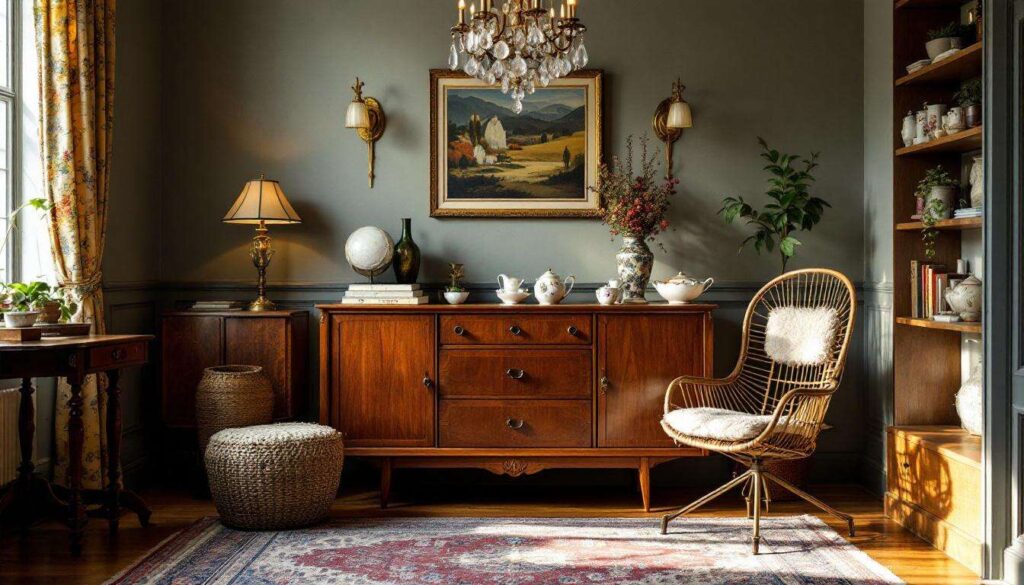
The world of interior design moves in mysterious cycles, where yesterday’s cast-offs become tomorrow’s treasures. Antiques that once gathered dust in attics or were dismissed as outdated are experiencing a remarkable renaissance, championed by designers who recognise their unique charm and sustainable credentials. This shift reflects both a growing appreciation for craftsmanship and an increasing desire to embrace individuality in our living spaces, moving away from mass-produced homogeneity towards pieces with genuine character and history.
The return of skirted sofas and chairs
Skirted furniture, long relegated to the realm of grandmother’s parlour, is making an unexpected comeback in contemporary interiors. These pieces, characterised by fabric that extends from the seat to the floor, concealing the legs entirely, were once considered the epitome of dated design. However, designers are now rediscovering their versatility and practical advantages.
Why skirted furniture is regaining popularity
The appeal of skirted sofas and chairs lies in several key attributes that align with current design priorities:
- They offer excellent storage opportunities beneath the skirt, perfect for concealing clutter in smaller living spaces
- The fabric draping creates a softer, more romantic aesthetic that contrasts beautifully with minimalist interiors
- Skirted pieces can be easily updated by changing the fabric, making them sustainable and adaptable
- They add textural interest and visual weight to a room, grounding lighter furniture arrangements
Styling skirted pieces for modern spaces
Contemporary designers are pairing these traditional forms with unexpected elements to create fresh, eclectic looks. A skirted sofa in crisp linen can anchor a room filled with sleek metallic accents and abstract art, whilst a velvet-skirted armchair brings warmth to industrial-style lofts. The key lies in balancing the softness of the skirt with harder, more contemporary materials and forms throughout the space.
This renewed interest in fabric-draped furniture naturally extends to other textile-based decorative elements, particularly those featuring exceptional craftsmanship in glass and crystal.
Murano glass chandeliers make a comeback
The elaborate, colourful chandeliers crafted on the Venetian island of Murano were once synonymous with opulent excess. After decades of being dismissed as overly ornate, these spectacular lighting fixtures are reclaiming their position as statement pieces in sophisticated interiors.
The artistry behind Murano glass
Each Murano chandelier represents centuries of glassmaking tradition, with techniques passed down through generations of artisans. The glass is hand-blown and shaped whilst molten, often incorporating precious metals and minerals to achieve distinctive colours and effects. This level of craftsmanship stands in stark contrast to mass-produced lighting, making each piece genuinely unique.
Incorporating Murano chandeliers in contemporary settings
Modern designers are deploying these dramatic fixtures in unexpected ways:
- Installing colourful Murano pieces in otherwise neutral, minimalist spaces for maximum impact
- Pairing traditional chandelier forms with contemporary furniture to create compelling juxtapositions
- Using smaller Murano pendants in clusters rather than single large chandeliers
- Selecting pieces in subtle tones that complement rather than dominate the colour palette
| Setting | Recommended style | Impact |
|---|---|---|
| Modern kitchen | Clear or amber Murano pendants | Adds warmth without overwhelming |
| Traditional dining room | Multi-coloured elaborate chandelier | Creates focal point and conversation piece |
| Minimalist bedroom | Single-colour simple Murano fixture | Introduces artisanal element subtly |
The appreciation for handcrafted glass objects extends beyond lighting to encompass other decorative items that showcase skilled artistry.
Ceramic figurines: a timeless trend
Ceramic figurines, particularly those depicting animals, pastoral scenes, or classical subjects, have long been associated with cluttered mantlepieces and outdated tastes. Yet these charming objects are experiencing a significant revival as collectors and designers recognise their artistic merit and nostalgic appeal.
The enduring appeal of ceramic collectables
What makes ceramic figurines particularly compelling is their ability to inject personality and whimsy into contemporary spaces. Unlike purely functional objects, figurines exist solely for aesthetic pleasure, representing a deliberate choice to prioritise beauty and sentiment over utility. This aligns perfectly with current movements away from stark minimalism towards more layered, personal interiors.
Curating a ceramic collection
The key to successfully incorporating ceramic figurines lies in thoughtful curation rather than random accumulation:
- Focus on a specific theme, era, or manufacturer to create visual coherence
- Display pieces in grouped arrangements rather than scattering them throughout a room
- Mix ceramic figurines with other materials like wood, metal, or stone for textural variety
- Consider the scale of pieces in relation to the display surface and surrounding furniture
- Embrace the imperfections and patina that come with age as part of their charm
Just as ceramic figurines add character through their sculptural qualities, other antiques achieve similar effects through their reflective and decorative properties.
Gilded ornate mirrors: vintage luxury
Heavily gilded mirrors with elaborate baroque or rococo frames were once considered the height of elegance before falling from favour as tastes shifted towards cleaner lines. These magnificent pieces are now being rediscovered for their ability to add instant glamour and architectural interest to interiors.
The functional beauty of ornate mirrors
Beyond their obvious decorative impact, gilded mirrors serve multiple practical purposes that make them valuable additions to modern homes. They reflect light, making spaces appear larger and brighter, whilst their intricate frames function as three-dimensional art. The warm tones of aged gilding add richness that complements both traditional and contemporary colour schemes.
Placement strategies for maximum impact
Strategic positioning transforms an ornate mirror from a simple decorative object into a room-defining element:
| Location | Effect | Design tip |
|---|---|---|
| Above fireplace | Creates traditional focal point | Ensure scale matches mantelpiece width |
| Narrow hallway | Expands perceived space | Position to reflect light source |
| Dining room | Amplifies candlelight and ambience | Hang opposite windows for maximum reflection |
| Bedroom | Adds romantic, luxurious atmosphere | Lean oversized mirror against wall for relaxed feel |
The appreciation for gilded frames and decorative borders extends naturally to the artwork they might surround, particularly pieces depicting natural scenes.
The revival of landscape art
Traditional landscape paintings, especially those in classical or romantic styles, experienced a significant decline in popularity as abstract and contemporary art dominated the market. However, these serene depictions of natural beauty are finding new audiences who appreciate their calming influence and connection to heritage.
Why landscape art resonates today
In an increasingly digital and urbanised world, landscape paintings offer a visual escape to natural environments. They provide a sense of tranquillity and permanence that contrasts with the rapid pace of modern life. Additionally, the technical skill required to create convincing landscape paintings is being recognised and valued once again, particularly as appreciation for traditional craftsmanship grows.
Integrating landscape art into contemporary interiors
Successfully incorporating traditional landscape paintings requires consideration of both the artwork itself and its relationship to the surrounding space:
- Select pieces whose colour palettes complement existing décor schemes
- Mix landscape paintings with more contemporary works to create visual dialogue
- Consider the emotional tone of the landscape: stormy seascapes create drama, whilst pastoral scenes promote calm
- Frame antique paintings in simple, modern frames to bridge historical and contemporary aesthetics
- Group smaller landscape pieces in salon-style arrangements for greater impact
The sustainability factor
Beyond aesthetic considerations, purchasing antique landscape paintings represents an environmentally conscious choice. Rather than commissioning new works or buying mass-produced prints, acquiring existing paintings extends their lifespan and reduces demand for new production. This aligns with broader movements towards sustainable consumption and appreciation for pre-owned goods.
The resurgence of these five categories of antiques reflects broader shifts in design philosophy and consumer values. Skirted furniture, Murano chandeliers, ceramic figurines, gilded mirrors, and landscape paintings share common threads: exceptional craftsmanship, unique character, and sustainable credentials. As more people seek to create homes that reflect individual taste rather than following fleeting trends, these once-overlooked treasures offer the perfect combination of beauty, history, and authenticity. Their revival demonstrates that true quality and artistry never truly go out of style, they simply await rediscovery by those willing to look beyond temporary fashions.