

The living room remains the heart of the home, a place where families gather and unwind after long days. Transforming this essential space into a snug retreat requires thoughtful consideration of colour, texture, lighting and layout. By implementing strategic design choices, any living room can become an inviting sanctuary that naturally encourages relaxation and comfort throughout the year.
Create a warm atmosphere with soothing colours
Embrace rich, enveloping tones
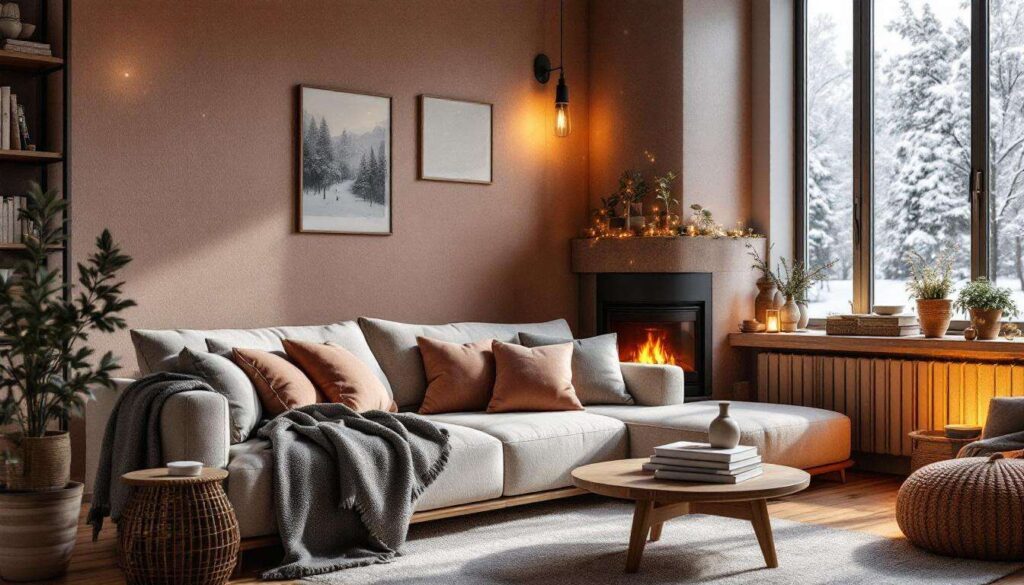
The foundation of any snug living room begins with colour selection. Warm hues such as deep reds, forest greens, burnt oranges and chocolate browns instantly create a cocooning effect that wraps the space in comfort. These colours work particularly well when applied not only to walls but also to ceilings, which intensifies the enveloping sensation and makes the room feel more intimate.
- Deep burgundy or wine red for dramatic warmth
- Sage or moss green for natural tranquillity
- Terracotta or rust for earthy comfort
- Charcoal or navy for sophisticated cosiness
Consider paint finishes and wood panelling
Beyond colour choice, the finish matters considerably. Matte or eggshell finishes absorb light rather than reflect it, contributing to a softer, more relaxed ambiance. Wood panelling adds architectural interest whilst reinforcing the warm aesthetic. Whether full-height tongue-and-groove or half-height wainscoting, timber elements introduce natural texture that enhances the snug quality of the space.
Once the colour palette establishes the mood, attention naturally turns to how furniture can maximise both comfort and practicality.
Optimise space with multifunctional furniture
Select pieces that serve multiple purposes
In living rooms where space comes at a premium, multifunctional furniture becomes essential. Ottoman coffee tables with hidden storage compartments keep clutter at bay whilst providing additional seating when guests arrive. Sofa beds offer flexibility for overnight visitors without requiring a dedicated guest room, and nesting tables can be separated when needed or tucked away to free up floor space.
| Furniture type | Primary function | Secondary function |
|---|---|---|
| Storage ottoman | Footrest | Hidden storage and extra seating |
| Sofa bed | Seating | Guest sleeping area |
| Bookshelf room divider | Storage | Space definition |
| Lift-top coffee table | Surface | Dining and work surface |
Mix styles for character and functionality
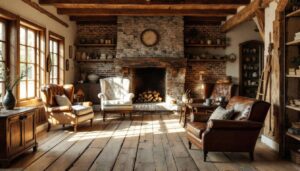
Creating a snug atmosphere doesn’t require matching furniture sets. In fact, combining different styles adds personality and visual interest. A vintage leather armchair paired with a contemporary velvet sofa creates an eclectic yet cohesive look. Retro side tables alongside modern shelving units demonstrate that functionality and aesthetics can coexist beautifully, regardless of era or design movement.
With furniture thoughtfully arranged, the next consideration involves bringing the outdoors inside to enhance serenity.
Incorporate natural elements for a serene atmosphere
Introduce organic materials throughout the space
Natural materials ground a living room and connect inhabitants to the calming influence of nature. Raw wood furniture pieces, whether a reclaimed timber coffee table or a solid oak bookshelf, introduce warmth and authenticity. Stone elements around a fireplace surround or as decorative accents add textural variety whilst reinforcing the natural theme.
- Wicker or rattan baskets for stylish storage
- Jute or sisal rugs for natural flooring texture
- Exposed wooden beams or timber mantels
- Stone or slate fireplace surrounds
- Cork accessories or wall coverings
Add living plants for vitality and air quality
Houseplants serve both aesthetic and practical purposes in snug living rooms. Large floor plants like fiddle-leaf figs or rubber plants make bold statements in corners, whilst trailing pothos or ivy soften shelving units. Beyond their visual appeal, plants improve air quality and introduce a sense of life and growth that enhances the room’s peaceful character.
Natural elements establish serenity, but dedicated spaces for specific activities elevate comfort to new heights.
Create a cosy reading nook
Identify the perfect location
Even modest living rooms can accommodate a reading nook with careful planning. Window alcoves provide ideal locations, offering natural light and a connection to the outdoors. Unused corners near radiators or fireplaces become inviting retreats when furnished thoughtfully. If architectural features don’t naturally suggest a location, position a comfortable chair near a window or in a quieter section of the room.
Furnish for maximum comfort
The centrepiece of any reading nook is a supremely comfortable chair. Options include oversized armchairs with deep seats, classic wingback chairs that cocoon the reader, or even a small loveseat if space permits. Accompany the seating with a small side table for beverages and books, adequate lighting from an adjustable reading lamp, and a footstool or ottoman for proper leg support.
- Plush armchair with lumbar support
- Adjustable floor or table lamp
- Small bookshelf or magazine rack within arm’s reach
- Soft throw blanket draped over the chair
- Side table for drinks and reading glasses
A well-appointed reading nook benefits immensely from the addition of tactile, comforting textiles.
Add cosy textiles for extra comfort
Layer fabrics for depth and warmth
Textile layering transforms a standard living room into a snug retreat. Begin with substantial curtains in heavy fabrics like velvet or lined linen that provide insulation and light control. Add area rugs over hard flooring to introduce warmth underfoot and acoustic softness. Upholstered furniture in plush materials such as velvet, chenille or corduroy invites touch and visual richness.
Incorporate cushions and throws strategically
Cushions and throws offer the easiest way to introduce comfort and seasonal variation. Mix textures by combining smooth velvet cushions with chunky knit or faux fur varieties. Wool throws provide warmth during colder months, whilst lighter cotton or linen options suit warmer seasons. The key is abundance without clutter: enough textiles to feel luxurious but not so many that the space feels overwhelming.
| Textile type | Best materials | Ideal placement |
|---|---|---|
| Curtains | Velvet, lined linen, wool | Windows for insulation and privacy |
| Rugs | Wool, jute, sheepskin | Under seating areas |
| Cushions | Velvet, chenille, knit | Sofas and armchairs |
| Throws | Wool, faux fur, cashmere | Draped over seating |
Whilst textiles provide physical comfort, lighting creates the ambiance that makes relaxation truly inevitable.
Incorporate soft lighting for maximum relaxation
Layer different light sources
Harsh overhead lighting undermines any attempt at creating a snug atmosphere. Instead, employ layered lighting with multiple sources at various heights. Table lamps on side tables, floor lamps in corners, and wall sconces create pools of light that feel intimate and inviting. Dimmer switches on all light sources allow adjustment according to time of day and desired mood.
- Dimmable ceiling fixtures for ambient light
- Table lamps with warm-toned bulbs
- Floor lamps for reading areas
- Wall sconces for accent lighting
- String lights for decorative ambiance
- Candles for natural, flickering light
Consider the warmth of light sources
The colour temperature of bulbs dramatically affects atmosphere. Choose bulbs rated between 2700K and 3000K for a warm, golden glow that mimics firelight. Avoid cool-toned or daylight bulbs, which feel clinical rather than cosy. If the living room features a fireplace, whether wood-burning or gas, this becomes the ultimate light source, providing both physical warmth and visual comfort that electric lighting cannot replicate.
Transforming a living room into a snug retreat involves careful attention to colour, furniture selection, natural elements, dedicated comfort zones, luxurious textiles and thoughtful lighting. Each element contributes to an atmosphere where relaxation becomes not just possible but inevitable. By implementing these ideas, any living room can become the welcoming sanctuary that modern life demands, a space where comfort and style coexist harmoniously.