



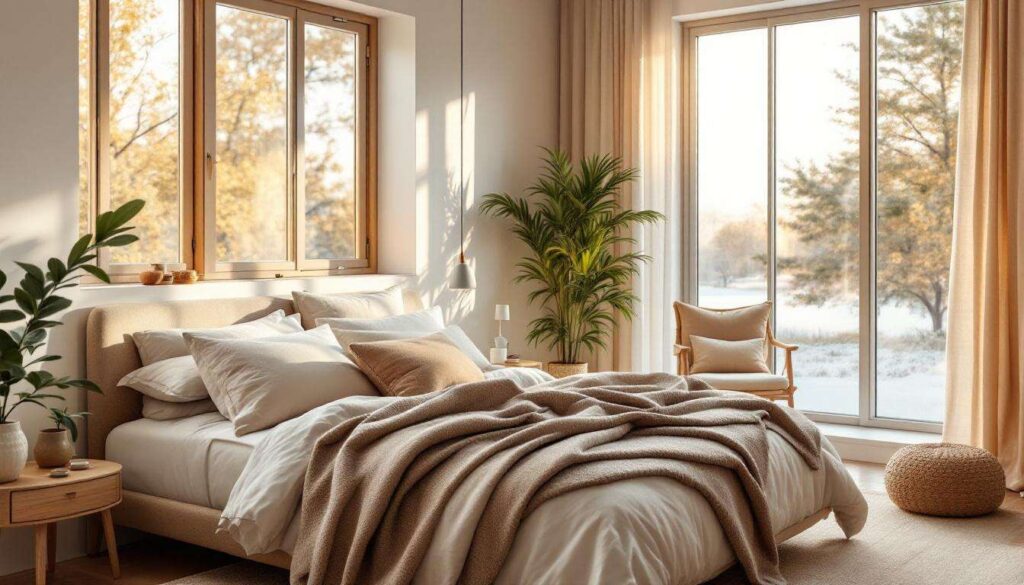
The bedroom has evolved beyond a mere sleeping quarter to become a sanctuary of rest and rejuvenation. As lifestyles grow increasingly hectic, the desire to retreat into calming, protective environments has never been stronger. This shift in priorities is reshaping how we approach bedroom design, with an emphasis on creating spaces that actively support mental and physical well-being. The concept of cocooning has emerged as the defining philosophy, guiding choices in colour, texture, furniture, and lighting. From embracing warmer palettes to reducing visual clutter, these trends reflect a collective yearning for comfort and intentionality in our most personal spaces.
Cocooning and warm colours
The philosophy behind cocooning
Cocooning represents more than a decorative trend; it embodies a fundamental shift in how we perceive our bedrooms. This approach prioritises creating protective, enveloping environments that serve as refuges from external pressures. The emphasis lies on comfort and intentionality, where every design choice contributes to a sense of security and relaxation. This return to intimate spaces addresses a growing need for disconnection from the demands of modern life, transforming bedrooms into havens that actively promote rest and restoration.
Warm and earthy colour palettes
The colour schemes defining this movement feature rich, grounding tones that create warmth without overwhelming the senses. The palette includes:
- smoky greens that evoke natural tranquillity
- deep blues reminiscent of twilight skies
- terracotta shades bringing earthy warmth
- soft neutrals providing subtle balance
These colours aim to establish a welcoming atmosphere that balances depth with serenity. Whilst soft neutrals maintain their popularity, bolder hues are increasingly featured on accent walls, particularly behind beds, creating focal points that add character without disrupting the calming ambience. The strategic use of these tones transforms bedrooms into spaces that feel both sophisticated and nurturing.
| Colour category | Primary tones | Psychological effect |
|---|---|---|
| Earthy greens | Smoky sage, olive | Grounding, restorative |
| Deep blues | Navy, midnight | Calming, sleep-inducing |
| Warm terracotta | Rust, clay | Comforting, enveloping |
Understanding how materials and textures complement these colour choices reveals another crucial dimension of creating truly cocooning spaces.
Soft and soothing minimalism
Reducing visual clutter for better sleep
The minimalist approach to bedroom design has evolved to prioritise mental clarity and sleep quality. This philosophy advocates for spaces stripped of visual distractions, where every element serves a purpose. Unnecessary objects are eliminated, creating environments that encourage deeper, more restorative rest. The goal is not stark emptiness but rather intentional simplicity that allows the mind to unwind without competing stimuli. Bedrooms designed with this principle become less busy, better supporting those seeking to improve their sleep patterns and overall well-being.
Functional design elements
Functionality takes centre stage in contemporary bedroom design, with particular attention to spatial arrangement around the bed. Creating adequate space promotes a sense of calm and freedom of movement, whilst beds themselves become focal points through bolder headboard designs that add character without cluttering. This approach emphasises:
- strategic furniture placement that enhances flow
- storage solutions that conceal rather than display
- clean lines that contribute to visual peace
- purposeful decoration that serves both form and function
The balance between minimalism and warmth is achieved through careful curation rather than deprivation, ensuring spaces feel inviting rather than sterile. This functional aesthetic supports the cocooning philosophy whilst maintaining practical livability.
Personalised touches within minimalism
For those who resist strict minimalism, there exists a middle ground that incorporates eclectic elements and personal expression. Bold primary colours and varied bedding sets allow for individual personality whilst maintaining the comfort-focused foundation. This approach demonstrates that cocooning need not mean uniformity; rather, it can accommodate diverse aesthetic preferences provided the overall effect remains soothing and intentional.
Beyond visual simplicity, the physical sensations created by materials and textures play an equally vital role in establishing truly restful environments.
The importance of tactile textures
Premium fabrics for enhanced comfort
Materials constitute a cornerstone of the cocooning aesthetic, with tactile quality becoming as important as visual appeal. Silk has emerged as a particularly valued fabric due to its breathable and soft properties, creating an enveloping sleep environment that regulates temperature whilst feeling luxurious against the skin. The emphasis on high-quality textiles reflects a broader commitment to investing in elements that directly impact sleep quality and daily comfort.
Layering textures for depth
Creating truly immersive cocooning spaces requires thoughtful layering of varied textures. This approach adds visual and tactile interest without compromising the calming atmosphere. Key textural elements include:
- plush rugs that cushion bare feet
- textured linen providing natural, breathable comfort
- velvet accents offering subtle luxury
- knitted throws adding warmth and visual softness
- woven wall hangings introducing organic patterns
The combination of these materials creates dimensional richness that engages the senses whilst maintaining the protective, nurturing quality central to cocooning design. Each texture contributes to an overall impression of comfort and care, transforming the bedroom into a multi-sensory retreat.
| Material type | Key properties | Recommended use |
|---|---|---|
| Silk | Breathable, temperature-regulating | Bedding, pillowcases |
| Linen | Natural, textured, durable | Sheets, curtains |
| Wool/cashmere | Warm, soft, insulating | Throws, blankets |
As physical comfort is addressed through materials, the role of lighting in supporting natural sleep rhythms deserves equally careful consideration.
Smart lighting for optimised sleep
Layered lighting approaches
Lighting design has become increasingly sophisticated, moving beyond single overhead fixtures to embrace layered systems that adapt to different needs throughout the day. This approach recognises that bedrooms serve multiple functions, requiring varied illumination for reading, dressing, and winding down. The integration of ambient, task, and accent lighting allows for precise control over atmosphere, supporting the transition from active daytime use to restful evening preparation.
Technology supporting natural rhythms
Smart lighting systems offer unprecedented control over bedroom environments, with features specifically designed to enhance sleep quality. These technologies include:
- adjustable colour temperatures mimicking natural daylight cycles
- programmable dimming that gradually reduces light intensity
- warm-toned evening modes that minimise blue light exposure
- automated schedules that align with individual sleep patterns
The ability to customise lighting according to circadian rhythms represents a significant advancement in bedroom design, acknowledging the profound impact of light on sleep hormones and overall rest quality. These systems complement the cocooning philosophy by creating environments that actively support biological needs rather than working against them.
Furniture choices are evolving alongside these technological advances, with integrated solutions offering both aesthetic appeal and practical benefits.
Integrated furniture: the future of bedroom design
Multi-functional solutions
Contemporary bedroom furniture increasingly emphasises integrated functionality that maximises space whilst maintaining clean aesthetics. Built-in storage solutions, headboards with incorporated lighting and charging stations, and modular systems that adapt to changing needs represent this evolution. The focus on seamless integration supports the minimalist approach to reducing visual clutter whilst ensuring all necessary functions remain accessible and convenient.
Statement beds as focal points
The bed has solidified its position as the undisputed centrepiece of bedroom design, with headboards becoming bolder and more architecturally significant. These statement pieces add character and definition without requiring additional decorative elements, supporting the principle of intentional simplicity. Upholstered headboards in rich fabrics provide both visual interest and practical comfort, whilst sculptural designs create artistic impact that elevates the entire space.
Hotel-inspired comfort elements
The concept of bringing hotel-level luxury into domestic bedrooms has gained traction, with design choices that prioritise relaxation without excess. This includes:
- quality mattresses and bedding systems
- bedside tables with integrated amenities
- seating areas for reading and reflection
- carefully considered storage that maintains visual calm
These elements create spaces that feel professionally designed yet personally meaningful, balancing aspiration with comfort. The hotel-at-home approach demonstrates that luxury in bedroom design is measured not by opulence but by thoughtful attention to rest and rejuvenation.
Complementing these human-made elements, the incorporation of natural features brings an essential dimension to truly restorative bedroom environments.
Nature in the bedroom
Biophilic design principles
The integration of natural elements represents a fundamental aspect of creating cocooning spaces that support well-being. Biophilic design acknowledges the human need for connection with nature, bringing organic elements into sleeping quarters through plants, natural materials, and nature-inspired patterns. This approach has been shown to reduce stress and improve air quality, making it both aesthetically pleasing and functionally beneficial.
Plant selection for bedrooms
Choosing appropriate plants requires consideration of light conditions and maintenance requirements. Suitable options include:
- snake plants that purify air and tolerate low light
- peace lilies offering elegant foliage and air-cleaning properties
- pothos vines providing cascading greenery with minimal care
- lavender promoting relaxation through natural aromatherapy
The presence of living plants introduces dynamic natural elements that change subtly over time, creating connections to growth cycles and seasonal variations even within interior spaces. This living dimension enhances the sense of sanctuary that defines cocooning bedrooms.
Natural materials and organic forms
Beyond living plants, natural materials throughout the bedroom reinforce the connection to the organic world. Wood furniture with visible grain, stone accents, rattan elements, and natural fibre textiles all contribute to an earthy, grounding atmosphere. These materials age gracefully, developing character that synthetic alternatives cannot replicate, and their inherent imperfections add authenticity that supports the welcoming, protective quality central to cocooning design.
The convergence of these trends creates bedroom environments that prioritise rest, rejuvenation, and personal well-being above all else. By embracing warm colours, minimalist principles, rich textures, intelligent lighting, integrated furniture, and natural elements, contemporary bedroom design has evolved into a holistic approach that recognises sleep spaces as essential to overall quality of life. The cocooning philosophy represents not merely an aesthetic choice but a commitment to creating sanctuaries that actively support mental and physical health through thoughtful, intentional design.