

Transforming a small bedroom into a stylish and functional retreat requires thoughtful planning and creative design choices. Limited square footage need not mean compromising on comfort or aesthetics. With the right approach, even the most compact sleeping spaces can become inviting sanctuaries that maximise every inch whilst reflecting your personal style. From clever storage solutions to strategic colour choices, these fourteen ideas will help you create a bedroom that feels spacious, organised, and undeniably cosy.
Designing a Sunny Space
Harnessing Natural Light Sources
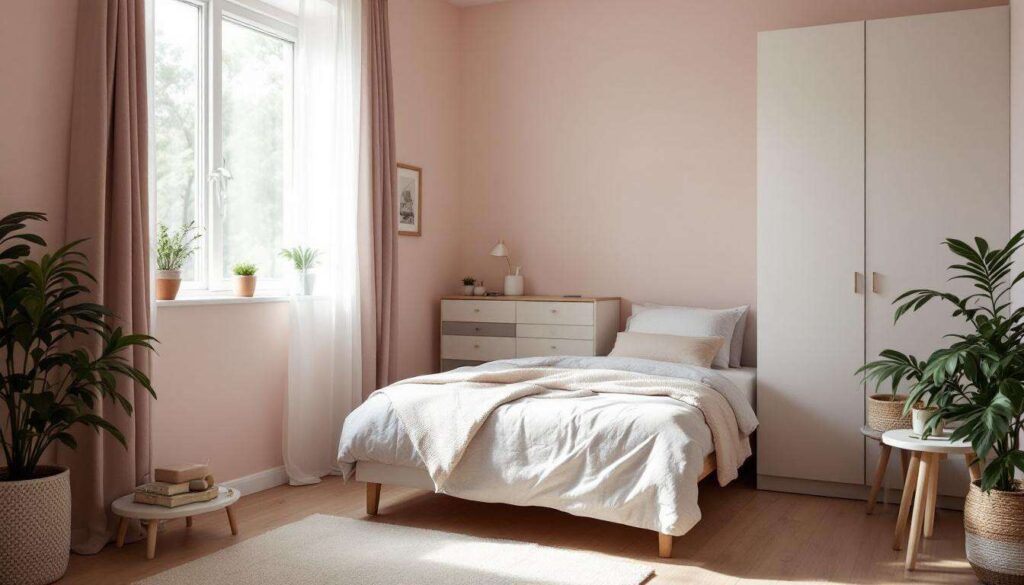
The foundation of a bright, cheerful bedroom begins with maximising available natural light. Position your bed near windows where possible, ensuring that morning sunlight can gently wake you. Avoid heavy window treatments that block precious daylight; instead, opt for sheer curtains or lightweight blinds that filter light whilst maintaining privacy.
Strategic placement of reflective surfaces amplifies natural illumination throughout the space. Consider these approaches:
- Install mirrors opposite or adjacent to windows to bounce light around the room
- Choose furniture with glossy or metallic finishes that catch and reflect sunlight
- Select light-coloured bedding and textiles that enhance brightness rather than absorb it
- Keep window areas clear of clutter to allow maximum light penetration
Selecting a Light Colour Scheme
Your colour palette plays a crucial role in creating a sun-filled atmosphere. Soft whites, warm creams, and pale yellows work particularly well in small bedrooms, as they reflect natural light and create an airy feeling. These hues serve as an excellent backdrop for introducing accent colours through accessories and artwork.
For walls and larger furniture pieces, consider these light-enhancing shades:
- Soft ivory or buttermilk white for walls
- Pale lemon or champagne tones for accent walls
- Light oak or bleached wood finishes for furniture
- Subtle pastel accents in peach, mint, or lavender
Understanding how colour and light work together naturally leads to considering how different textures and layers can enhance the overall cosiness of your space.
Creating a Cosy Atmosphere with Layers
Building Textural Depth
Layering different fabrics and materials transforms a small bedroom from merely functional to genuinely inviting and comfortable. Begin with your bed as the focal point, building up from a quality mattress through multiple textile layers. A base sheet in crisp cotton, followed by a soft duvet, decorative throws, and varied cushions creates visual interest whilst providing practical warmth options.
| Layer Type | Material Suggestion | Purpose |
|---|---|---|
| Base Sheet | Egyptian cotton | Comfort and breathability |
| Duvet/Quilt | Down or microfibre | Primary warmth |
| Throw Blanket | Chunky knit or fleece | Texture and extra warmth |
| Cushions | Velvet, linen, silk | Visual interest and comfort |
Incorporating Soft Furnishings
Beyond the bed, strategic placement of soft furnishings throughout the room enhances comfort. A plush rug beside the bed provides a warm landing spot for bare feet, whilst curtains in heavier fabrics add insulation and sound dampening. Floor cushions or a padded bench offer additional seating without requiring substantial furniture.
Consider these layering elements:
- Multiple cushions in varying sizes and textures
- A textured throw draped casually across the bed foot
- Soft rugs layered over hard flooring
- Fabric wall hangings or tapestries for warmth and character
Once you’ve established a cosy foundation through layering, the next consideration involves selecting accessories that enhance rather than overwhelm your limited space.
Optimising Space with Light Accessories
Choosing Streamlined Furniture Pieces
In compact bedrooms, furniture selection requires careful consideration of both form and function. Opt for pieces with slender profiles and raised legs, which create visual breathing room and make floor cleaning easier. A bedside table with open shelving rather than solid sides maintains functionality whilst appearing less bulky.
Multifunctional furniture proves invaluable in small spaces:
- Ottomans with hidden storage compartments
- Beds with built-in drawers beneath the mattress
- Wall-mounted folding desks that disappear when not needed
- Narrow console tables that serve as both workspace and display area
Selecting Minimal Decorative Items
Accessories should enhance your bedroom without creating visual clutter. Choose fewer, more impactful pieces rather than numerous small items. A single statement artwork carries more weight than multiple small prints, whilst a beautiful vase or sculptural object provides interest without overwhelming surfaces.
| Accessory Type | Recommended Number | Placement Strategy |
|---|---|---|
| Wall Art | 1-2 pieces | Above bed or opposite entrance |
| Bedside Items | 2-3 items | Lamp, book, small plant |
| Decorative Objects | 3-5 items | Grouped on shelves or dresser |
With streamlined accessories in place, attention turns to maximising the natural light that makes any small space feel more generous.
Maximising Natural Light
Window Treatment Solutions
The right window dressings can dramatically affect how much natural light enters your bedroom. Avoid heavy, dark curtains that block sunlight even when open. Instead, install treatments that can be fully drawn back during daylight hours, such as roller blinds or roman shades in light fabrics.
Effective window treatment options include:
- Sheer voile curtains that diffuse rather than block light
- Top-down bottom-up blinds offering privacy whilst allowing upper window light
- Café-style half curtains covering only the lower window portion
- Simple tension rods that keep fabric close to the window frame
Strategic Mirror Placement
Mirrors serve as one of the most effective tools for amplifying natural light in small bedrooms. A large mirror positioned opposite a window reflects daylight deep into the room, effectively doubling the perceived brightness. Mirrored wardrobe doors serve dual purposes, providing essential storage whilst bouncing light throughout the space.
Consider these mirror placement strategies:
- Full-length mirrors on walls perpendicular to windows
- Groupings of smaller mirrors arranged to catch and reflect light
- Mirrored furniture pieces such as bedside tables or dressing tables
- Decorative mirrors with metallic frames that add sparkle
Having optimised natural light, incorporating the right colour palette further enhances the sense of space and tranquillity.
Integrating Earthy and Floral Tones
Bringing Nature Indoors
Earthy colour palettes create grounding, peaceful environments particularly suited to bedrooms. Terracotta, sage green, warm browns, and soft ochres connect your space to the natural world, promoting relaxation and restful sleep. These tones work beautifully in small rooms, providing richness without overwhelming the senses.
Incorporate natural tones through:
- Terracotta or clay-coloured accent walls
- Sage green or olive bedding and soft furnishings
- Wooden furniture in natural or lightly stained finishes
- Rattan or wicker accessories such as baskets and lampshades
Adding Floral and Botanical Elements
Floral patterns and botanical prints introduce softness and visual interest without requiring bold colours. Delicate prints in muted tones complement earthy palettes whilst adding feminine touches. Real plants bring life and air-purifying benefits to your bedroom, with low-maintenance varieties proving ideal for busy lifestyles.
| Plant Type | Light Requirements | Benefits |
|---|---|---|
| Snake Plant | Low to bright indirect | Air purification, minimal care |
| Pothos | Low to medium | Easy growth, trailing beauty |
| Peace Lily | Low to medium | Elegant flowers, air cleaning |
These natural elements create warmth and character, setting the stage for the final design consideration: achieving minimalist elegance.
Choosing a Minimalist and Elegant Decoration
Embracing Simplicity
Minimalist design proves particularly effective in small bedrooms, where less truly becomes more. This approach focuses on quality over quantity, selecting each item for both its aesthetic appeal and practical function. Clean lines, uncluttered surfaces, and a restrained colour palette create calm, sophisticated spaces that feel larger than their actual dimensions.
Key minimalist principles include:
- Maintaining clear surfaces with only essential items on display
- Choosing furniture with simple, elegant lines
- Limiting colour schemes to two or three complementary shades
- Prioritising hidden storage to maintain visual calm
Selecting Statement Pieces
Within a minimalist framework, carefully chosen statement pieces add personality without creating clutter. A distinctive headboard, an elegant pendant light, or a piece of sculptural furniture becomes a focal point that defines the room’s character. These items should be beautiful enough to stand alone, requiring no additional decoration to make an impact.
Consider these elegant focal points:
- An upholstered headboard in luxurious fabric
- A striking pendant light with clean geometric lines
- A single large-scale artwork above the bed
- An architectural floor lamp with sculptural appeal
Small bedrooms present unique design challenges that, when addressed thoughtfully, result in spaces that feel both generous and intimate. By implementing these fourteen ideas—from maximising natural light and choosing appropriate colour palettes to embracing minimalist principles and layering textures—you can transform even the most compact bedroom into a stylish, functional retreat. The key lies in making deliberate choices that serve multiple purposes, selecting quality over quantity, and creating a cohesive design that reflects your personal style whilst respecting spatial limitations. Your small bedroom can become your cosiest space yet, proving that thoughtful design transcends square footage.